Today, I’d like to discuss the discomfort I feel about the government’s recent push to encourage people to invest. I believe many of you will resonate with this, so please read on.
The Importance of Savings
First, let’s consider the importance of savings. As many of you know, unexpected expenses are an unavoidable part of life. Whether it’s a sudden illness, an injury, a broken appliance, or even a natural disaster, having savings allows you to handle these situations with peace of mind.
In fact, according to the Ministry of Internal Affairs and Communications’ “Household Survey,” many Japanese people do not have adequate savings. Particularly among the younger generation and the middle class, savings amounts are low, and some retirees and low-income individuals have almost no savings at all. Given this reality, it’s clear that securing sufficient savings should be a top priority.
The Difference Between Investment and Savings
Next, let’s touch on the difference between investment and savings. Savings are a means of safely keeping your assets and can be quickly converted to cash in an emergency. On the other hand, investments come with risks and no guarantee of the principal, meaning you could potentially lose all the money you invest.
The government is encouraging investment through systems like NISA and iDeCo, but many people may start investing without a basic understanding of financial knowledge. Starting to invest without fully understanding the risks can jeopardize household finances.
The Source of Discomfort
The discomfort I feel comes from the belief that the government should emphasize the importance of savings before promoting investments. Given the current lack of financial literacy, encouraging high-risk investments is very dangerous.
For example, there is almost no opportunity to learn basic financial knowledge in school, so many people only start learning how to manage money after entering society. It’s no wonder that the importance of savings and the risks of investments are not widely understood.
What We Can Do
So, what can we do? First, it’s important to re-recognize the importance of savings and ensure that savings are secured within the household. Ideally, we should consider investments only after understanding the risks.
Additionally, we need to be proactive in improving our financial literacy. Utilize books, seminars, and online information to gain accurate knowledge. Rather than relying solely on the government or financial institutions, it’s essential to gather information ourselves and learn how to manage assets wisely.
Conclusion
Today, I discussed the discomfort of the government encouraging investment when savings are lacking. Re-recognizing the importance of savings and improving financial literacy is crucial. If you agree with these points, please feel free to share this article.
Thank you for reading to the end. I will continue to share information about asset management, so please stay tuned!

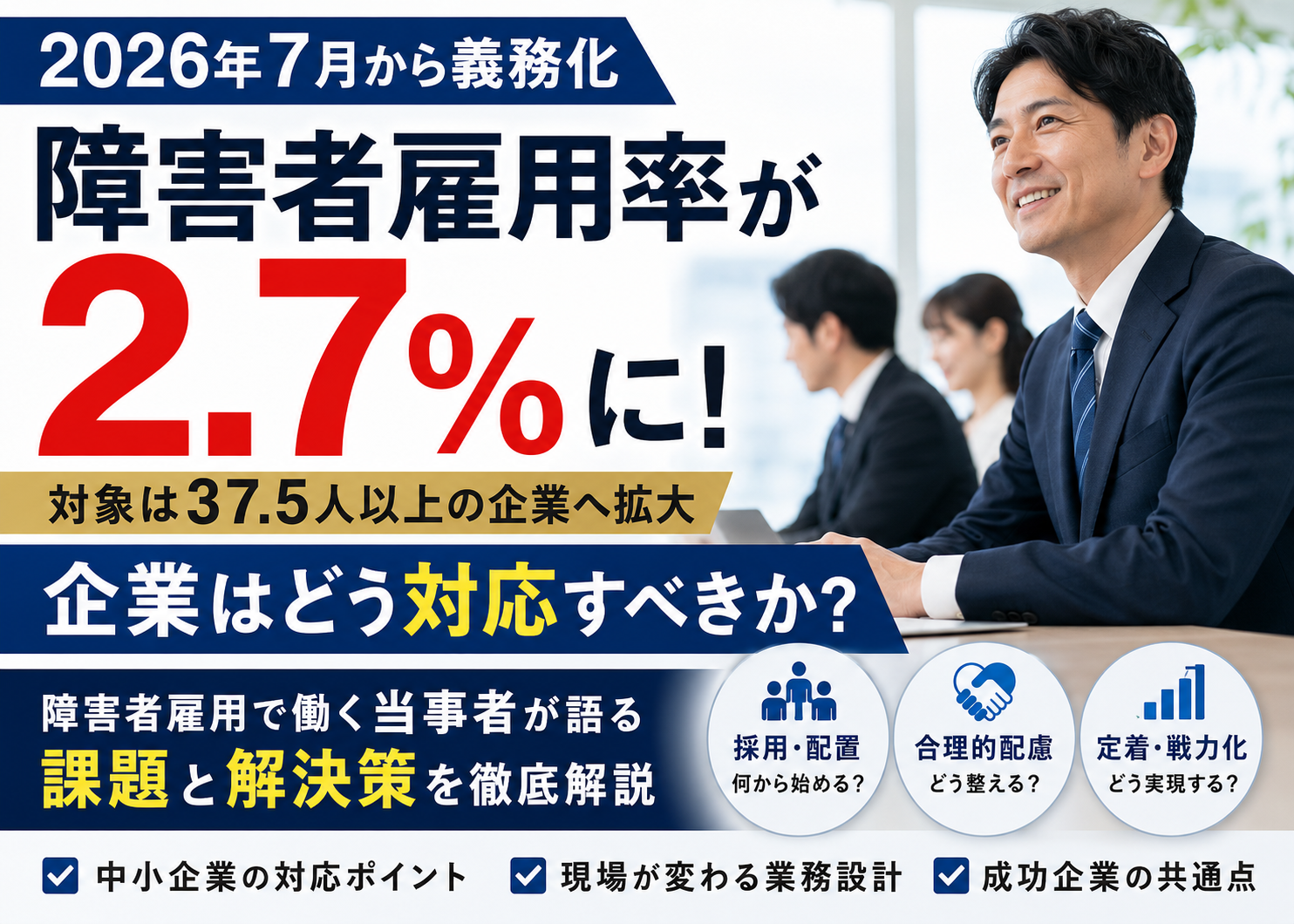
障害者雇用で「仕事を切り出す」だけでは足りない
――元課長・中途重度障害当事者が考える「人を活かす仕事の再設計」
障害者雇用で「仕事を切り出す」だけでは、本当の人材活用にはつながりません。健常者時代に課長を…
















コメントを残す