Hello, everyone. When we look at the foreign exchange market these days, the trend of yen depreciation stands out. How does this fluctuation affect our investments, and how should we respond? Today, I want to talk about that.
Yen Depreciation: The ‘Opportunities’ and ‘Risks’ it Brings
In simple terms, yen depreciation means “the value of the Japanese yen decreases when viewed from abroad.” This has a significant impact on investments, especially on export companies, import companies, and the foreign exchange and stock markets. Let’s delve into the ‘opportunities’ and ‘risks’ that yen depreciation brings to our investments.
Seizing Opportunities! Investment Strategies during Yen Depreciation
Investing in Export Companies: Yen depreciation is a tailwind for export companies. Since their overseas earnings increase, these companies’ stocks become attractive investment targets. For example, companies that sell automobiles or electronics overseas fall into this category.
Holding Foreign Currency Assets: Yen depreciation increases the value of assets denominated in foreign currencies. For those investing in foreign stocks or bonds, this situation is advantageous. By using currency fluctuations to your advantage, you can increase the value of your assets.
Avoiding Risks! Cautionary Points in Times of Yen Depreciation
Impact on Import-Dependent Companies: On the other hand, import-dependent companies face increased costs. This can compress profits, so caution is needed when investing in these companies.
Effects on Domestic Consumption: Yen depreciation can reduce domestic purchasing power, potentially decreasing revenues for services aimed at the domestic market. When investing, it’s necessary to consider this point.
Overcoming Yen Depreciation with an Investment Mindset
To wisely navigate through times of yen depreciation, an “investment mindset” is key. Analyzing market movements thoroughly and adopting flexible strategies pave the way to success.
Diversification: The essence of investment is spreading risk. It’s crucial to balance investments not just in export companies, but also in foreign currency assets and other sectors.
Managing Currency Risk: Currency fluctuations are hard to predict. Incorporating risk management techniques, such as hedging, is one approach.
Taking a Long-Term Perspective: Rather than reacting to short-term fluctuations, it’s important to invest with a long-term view.
Conclusion
How did you find that? Yen depreciation creates ‘opportunities’ and ‘risks’ in investments. To make these fluctuations work in your favor, calm market analysis and flexible strategies are required. Let’s invest wisely and overcome the era of yen depreciation together!
Investing is at your own risk. I hope this discussion helps you in your investment journey. I’ll strive to provide valuable information in the next installment. See you then.

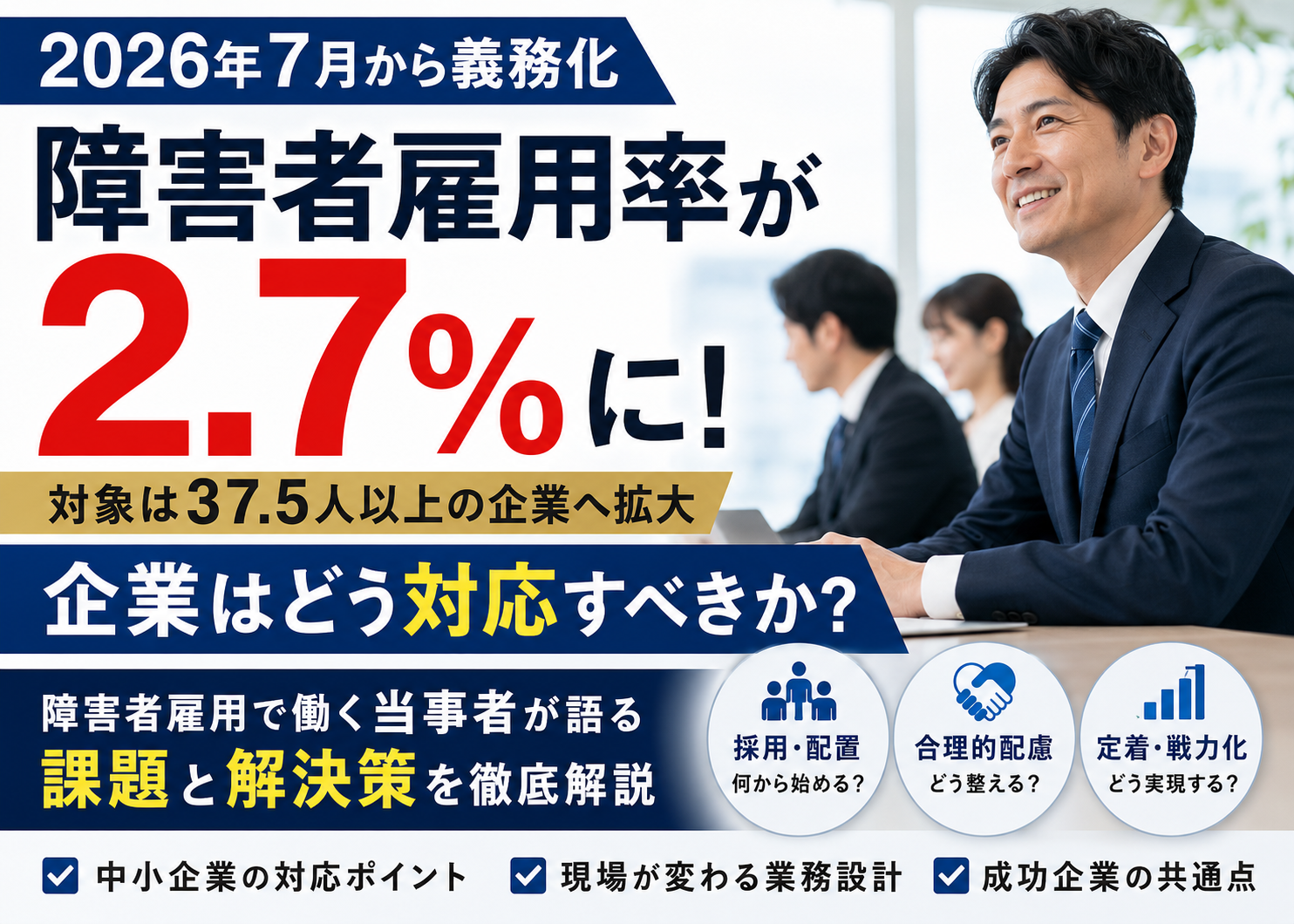
障害者雇用で「仕事を切り出す」だけでは足りない
――元課長・中途重度障害当事者が考える「人を活かす仕事の再設計」
障害者雇用で「仕事を切り出す」だけでは、本当の人材活用にはつながりません。健常者時代に課長を…

















コメントを残す