It’s the Moment the U.S. and China’s “Hegemony Operating Systems” Collided**
A Structural Analysis from a Severely Disabled Blogger
Meta Description (SEO Optimized)
The Venezuela intervention isn’t about oil or regime change. It exposed a deeper clash between U.S. and China’s hegemony operating systems—sea, money, law, and supply—reshaping the world’s risk model.
What You’ll Gain from This Article
Why the Venezuela intervention is not a regional conflict, but a global system event
How oil, sanctions, and sovereignty connect directly to your daily life and inflation
A way to understand U.S.–China tensions not as “good vs. evil,” but as competing operating systems
How to update your personal “life OS” without panic in an unstable world
Introduction:
Why I Analyze Global Power as a Severely Disabled Person
I live as a severely disabled person.
This is not a dramatic opening.
It is a methodological one.
In the able-bodied world, people can absorb shocks. They can run on little sleep. They can “push through” instability.
Disabled life is different.
Everything is operations:
limited energy
limited recovery
limited margin for error
and catastrophic cost when forecasts fail
So I learned to see the world this way:
Not as events,
but as operating systems exposed under stress.
The Venezuela intervention is exactly that kind of moment.
The danger is not the explosions. The danger is that the world’s risk assumptions were quietly rewritten.
This article is not meant to scare you. It is meant to give fear a shape. Shaped fear can be managed.
1. What the “Venezuela Intervention” Actually Means
Reports suggest:
U.S. military involvement
pressure on Venezuela’s political core
intensified control over oil exports, shipping, and sanctions
strong international legal controversy
sharp condemnation from China citing sovereignty violations
What matters most is not which report is perfectly accurate.
What matters is how the world interpreted it.
Markets, diplomacy, and security are human systems. They move on interpretation.
This intervention taught the world one thing:
“Things we assumed wouldn’t happen… can happen.”
That lesson will echo.
2. Surface Layer: What the World Sees
2-1. Oil Isn’t About Quantity — It’s About Flow
Oil markets are not ruled by barrels alone.
They are ruled by:
shipping routes
insurance
payment systems
ports
legal risk
When flow is threatened, fear multiplies. Fear raises prices faster than shortages.
Military action shakes logistics long before it shakes supply.
2-2. Sanctions Are Invisible Warfare
Sanctions are not about stopping goods. They are about stopping trust.
banks withdraw
insurers refuse
shippers hesitate
partners disappear
A nation doesn’t collapse immediately. Its future collapses first.
That is modern warfare.
2-3. Sovereignty Is About Precedent, Not Morality
International law debates are rarely about justice.
They are about precedent.
Once a “red line” is crossed successfully, it becomes a reusable template.
That raises global friction costs.
2-4. Why the World Immediately Thought of Taiwan
Because humans treat conflicts as trailers.
The world watches:
speed
justification
international reaction
economic tolerance
Not to predict war —
but to update probability models.
3. The Hidden Layer: This Was About Capability Signaling
States don’t move the world with speeches. They move it by demonstrating capacity.
3-1. What the U.S. Really Showed
Not just force. But integration:
military
finance
shipping
law enforcement
information control
The message wasn’t “we attacked.” It was:
“We can coordinate everything.”
That deters —
and teaches rivals.
3-2. Why China Reacted So Strongly
Sovereignty is not ideology. It is a firewall.
If sovereignty becomes flexible for the powerful, everyone’s security cost rises — including China’s.
This is not about Venezuela. It’s about rules of intervention.
3-3. China’s Latin America Strategy Just Got Riskier
Chinese investments rely on economic neutrality.
Once regions become security zones, investments get judged by flag color, not contracts.
That destroys efficiency. Costs rise. Growth slows.
3-4. Block Formation Without Formal War
Nobody wants World War III.
But the world is drifting into:
fragmented payment systems
duplicated supply chains
political logistics
trust-based blocs
War begins not with bombs, but with insurance premiums and shipping delays.
Disabled life teaches this well: systems fail before collapse becomes visible.
4. The Root Layer: This Was a Clash of Hegemony Operating Systems
4-1. Power Is Not Territory — It’s OS Control
Hegemony rests on four pillars:
Sea (routes)
Money (settlement)
Law (legitimacy)
Supply (resources)
The U.S. optimized this OS for decades. China is building a parallel OS.
This is not moral conflict. It is system competition.
4-2. Sanctions Weaponize the Future
Sanctions don’t punish the present. They cancel the future.
No investment. No maintenance. No confidence.
China’s strategy is simple: build futures that can’t be canceled.
4-3. Sovereignty as a Firewall
Sovereignty isn’t poetry. It’s protection.
When it weakens, power politics harden.
That endangers everyone —
especially powerful states colliding.
4-4. What Really Broke: The World’s Risk Model
The biggest damage wasn’t military.
It was cognitive.
Assumptions broke:
“They won’t go that far.”
“Markets won’t tolerate it.”
“Law will stop it.”
When assumptions break, systems overprepare. Overpreparation raises cost.
Cost reaches your grocery bill.
5. What Changes Next: Realistic Outlook
Short Term
U.S. uses capability signaling domestically and strategically
China accelerates OS redundancy
Global actors quietly hedge
Medium Term
Fewer single dependencies
More duplication
Higher baseline inflation
Slower but safer trade
Final Conclusion:
The Real Shock Is Not the War — It’s the System Update
The Venezuela intervention wasn’t local.
It updated the world’s operating assumptions.
Surface: oil, sanctions, legality
Hidden: capability signaling, precedent
Root: OS-level hegemony conflict
War starts long before explosions. It starts with:
insurance
interest rates
shipping time
inventory buffers
Disabled life taught me this truth: systems fail silently before collapse.
So don’t panic. But update your model.
When global OSs collide, your personal life OS matters more than ever.

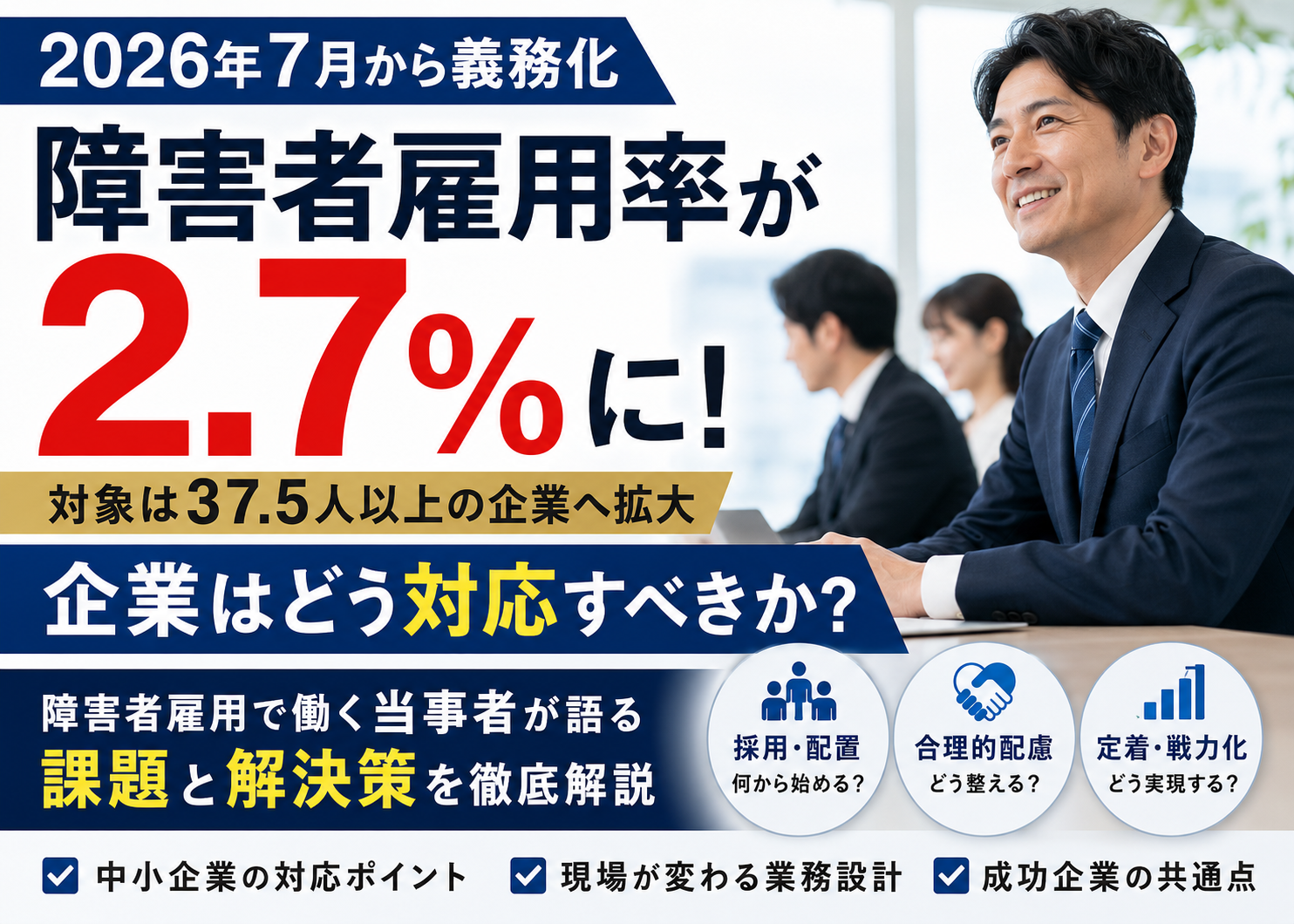
障害者雇用で「仕事を切り出す」だけでは足りない
――元課長・中途重度障害当事者が考える「人を活かす仕事の再設計」
障害者雇用で「仕事を切り出す」だけでは、本当の人材活用にはつながりません。健常者時代に課長を…















コメントを残す