Meta Description
Having seen the worst of the world, I discovered the quiet light of kindness. A deeply personal reflection on suffering, empathy, and beauty.
Main Keywords
- The dark side of the world
- Kindness and awareness
- Perspective from a person with a disability
Table of Contents
- Introduction | When the World Felt Unbearable
- Chapter 1 | Quiet Kindness Taught by Pain
- Chapter 2 | Finding Beauty Beyond Collapse — Wisdom from Classics
- Chapter 3 | Real Kindness Only Reveals Itself in Adversity
- Chapter 4 | The World Is Still Beautiful
- Conclusion | If You’re Hurt, You See the Light More Clearly
<a id=”intro”></a>
Introduction | When the World Felt Unbearable
There was a time when I thought,
“How can the world be so cruel?”
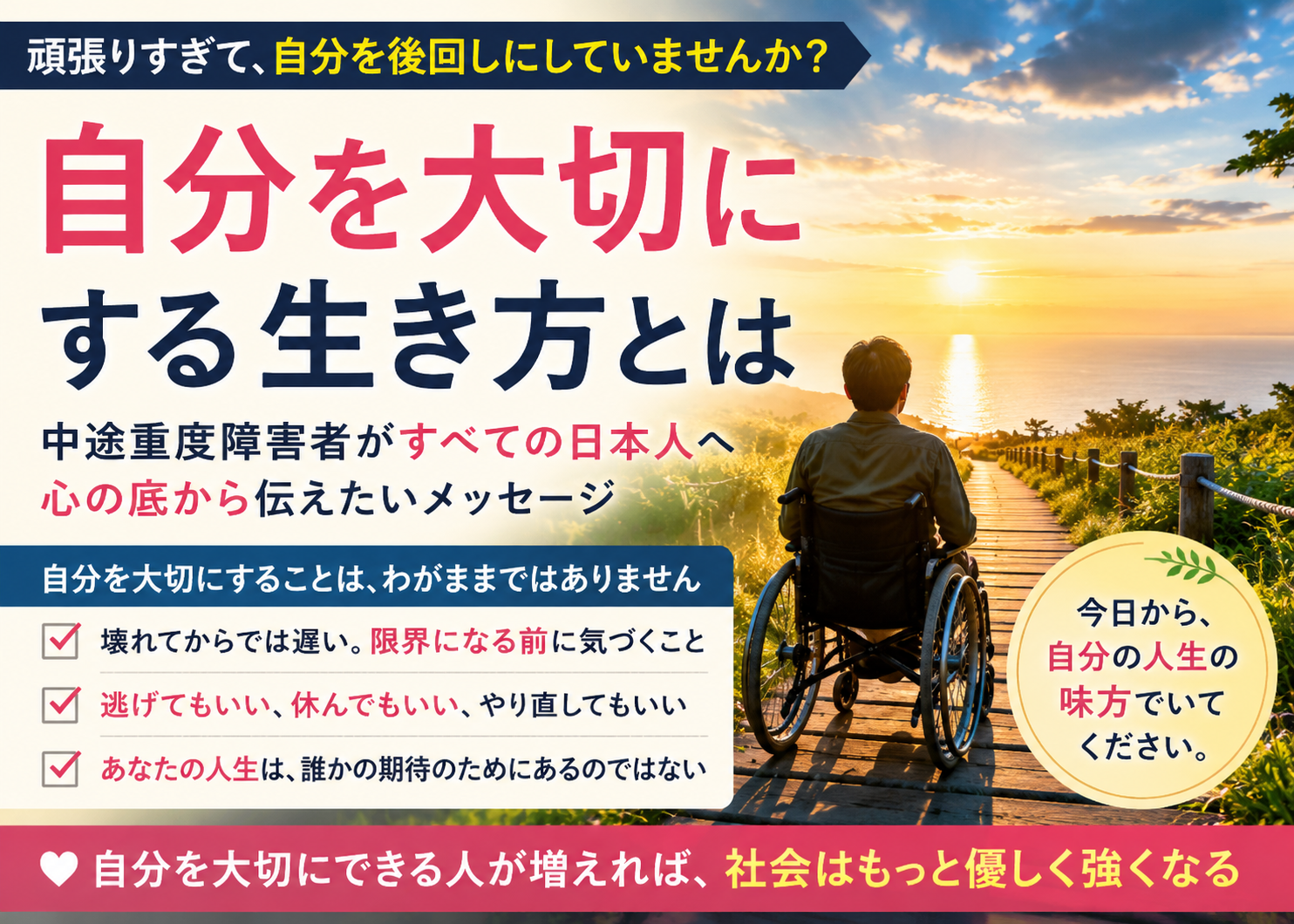
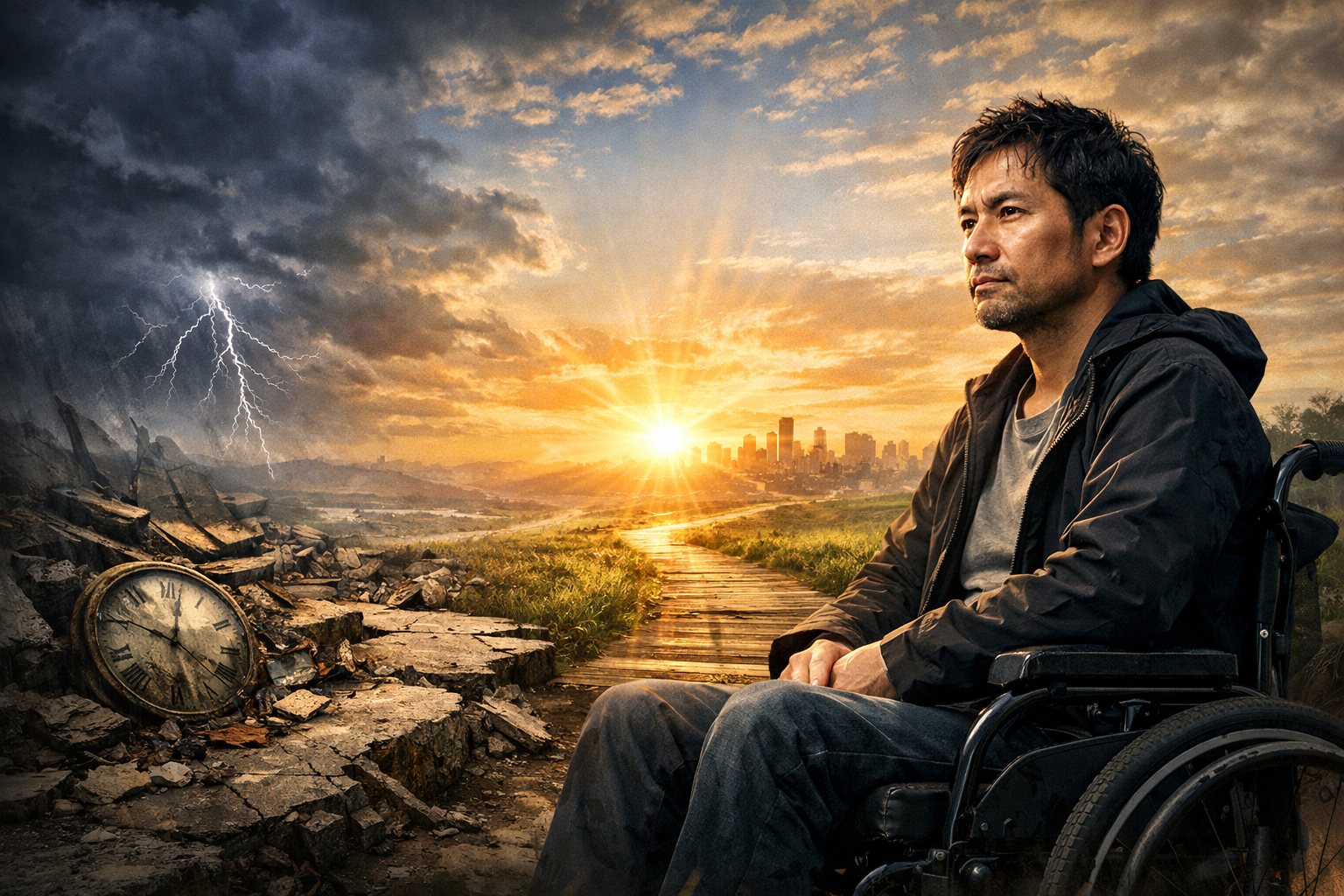
After acquiring a severe disability in mid-life, I faced a series of losses: my health, my independence, my role in society, and even my sense of self.
But more than personal hardship, what wounded me deeply was the indifference of systems, the coldness of society, and the daily encounters with things I didn’t want to see.
Still, a quiet thought began to grow in me:
“If I’ve seen so much of the world’s cruelty, doesn’t that mean I’ve also developed a deeper ability to recognize its beauty?”
This isn’t just comfort—it’s a truth I now hold onto.
<a id=”chapter1″></a>
Chapter 1 | Quiet Kindness Taught by Pain
I remember a rainy day after rehab.
Pushing my wheelchair alone, soaked, frustrated.
Then, a stranger quietly approached and held an umbrella over me—without saying a word.
That simple gesture shook me.
In a world I believed was broken, a tiny light had flickered.
Because I had been so hurt by the “dark side” of life, I could sense the warmth of kindness in a way I never could before.
Pain didn’t just scar me—it sharpened my awareness of goodness.
<a id=”chapter2″></a>
Chapter 2 | Finding Beauty Beyond Collapse — Wisdom from Classics
Hōjōki (by Kamo no Chōmei)
Amid disasters like earthquakes and famine, the author finds peace in solitude—listening to the wind, watching the moon.
Even in a broken world, there is beauty in stillness.
Tsurezuregusa (by Yoshida Kenkō)
Impermanence and uncertainty are not just sad—they make life more precious.
After disability, I came to understand that deeply: every fragile moment is irreplaceable.
These classics taught me:
True beauty often only emerges after deep loss.
<a id=”chapter3″></a>
Chapter 3 | Real Kindness Only Reveals Itself in Adversity
After becoming disabled, I often felt invisible—treated like an inconvenience.
But I also met people who saw me.
- A caregiver who listened without rushing
- A doctor who patiently repeated things until I understood
- A child who helped me over a curb with no hesitation
Their kindness was not grand—but it was deeply human.
And I could feel its depth… precisely because I had known the opposite.
<a id=”chapter4″></a>
Chapter 4 | The World Is Still Beautiful
There are days when it feels like the world is broken beyond repair.
Social media, news, daily injustices—it’s overwhelming.
But then, small moments remind me:
- A father smiling as he holds his baby on a train
- An elderly woman leaving food for stray cats
- A stranger silently offering help on a bad day
If you’ve been hurt, you begin to notice these things more.
Not because they’re louder—but because your heart has been made quieter.
<a id=”conclusion”></a>
Conclusion | If You’re Hurt, You See the Light More Clearly
If you feel like the world is full of ugliness, let me say this:
That feeling means your heart is still tender. Still capable of noticing beauty.
Pain refines perception.
Suffering doesn’t blind us—it opens our eyes.
I’ve seen the worst of the world.
But now I can say:
“That’s exactly why I believe in its beauty.”
You, too, have the power to find small, quiet moments of kindness.
Because the more darkness you’ve known, the more sensitive you are to the light.














コメントを残す