> Not a flashy miracle play, but carefully closing the “last 2 cm” in everyday life. That is the growth strategy Japan needs most right now.
—
TL;DR (in 3 lines)
1. Japan’s winning path is to raise the floor on lighter household costs, easier procedures, and safer infrastructure.
2. The seeds are already sprouting: water–energy loops, manufacturing × social care, and reskilling × local work—connect the dots with a 72-hour / 7-day / 90-day cadence.
3. Anyone can start today: the “last 2 cm” (a short message, a one-page template, mapping a local hazard) quietly raises the temperature of society—in a good way.
—
Table of Contents
Introduction | Not “too late,” but “already underway”
Chapter 1 | Japan’s growth is decided by the way we implement
Chapter 2 | Three foundations: household, procedures, infrastructure
2-1 Lighten the household—tighten the three screws: fixed costs, mobility, heat
2-2 Make procedures gentle—unify words, steps, and deadlines
2-3 Make infrastructure robust—distributed, redundant, mutual-aid
Chapter 3 | Reboot the “regional OS” with water–energy circulation
3-1 Turn roofs and walls into power surfaces (BIPV / thin film)
3-2 Layer energy onto water flows (micro-hydro, pumps, storage)
3-3 Keep schools, city halls, and hospitals running during disasters
Chapter 4 | Manufacturing × social care creates more and better jobs
4-1 Redesign roles so “accommodations” become productivity
4-2 Industries that need safety, cleanliness, and procedure are a perfect fit
Chapter 5 | The heart of gov-DX is “fewer steps for citizens”
5-1 One shared glossary + one-page templates
5-2 A read-receipt SLA and staged replies restore trust
Chapter 6 | Make reskilling plug directly into work
6-1 Ten practical procedures beat ten certificates
6-2 Visualize field data (voice → text → map)
Chapter 7 | The 72-hour / 7-day / 90-day implementation calendar
Chapter 8 | Choose KPIs that lower the temperature (reduce friction)
Chapter 9 | Anticipating objections: a short Q&A
Chapter 10 | Ten small actions everyone can take—starting today
Conclusion | A small country’s big design
—
Introduction | Not “too late,” but “already underway”
When headlines feel heavy, it’s easy to sigh, “Maybe Japan is already too late.” Drop down to the field, though, and a different scene appears.
The quiet of a dam that holds meltwater for summer electricity. A compact heat pump humming behind a shopping street. A circular garden tended at a school or care facility. A metal shop that has kept polishing for decades—and younger hands learning there.
Japan’s strength lives less in spectacle and more in the beauty of procedure. The most reliable future investment is to close the last 2 cm—every single day.
—
Chapter 1 | Japan’s growth is decided by the way we implement
Technology alone doesn’t create growth. What matters is the implementation craft—who does what, when, in what order, with what words, and how we close the loop.
Polish this craft and the same technology runs faster, cheaper, and safer. Japan’s global value is precisely this implementation OS.
Five evaluation lenses
1. Household impact (more take-home pay, less wasted time)
2. Speed of implementation (watch in 72h / 7d / 90d)
3. Designed barriers to entry (standards for quality, safety, maintenance)
4. Depth of external demand (specs neighbors can adopt and share)
5. Fit with land and culture (quiet, clean, orderly)
—
Chapter 2 | Three foundations: household, procedures, infrastructure
2-1 Lighten the household — three screws: fixed costs, mobility, heat
Fixed costs: Put electricity, telecom, and insurance on one sheet. Compare later; seeing it kills duplicated fees.
Mobility: Re-design for walkable and bikeable errands. Align local bus timetables with shopping rhythms; car mileage drops.
Heat: Sequence matters—start with windows and air leaks, then shading. Winter: block drafts; summer: outside shading to change how it feels indoors.
Checklist (household)
[ ] Monthly one-page ledger of fixed costs
[ ] Plot everyday errands on a walk-radius map
[ ] Rank your window gaps and sun-control priorities
2-2 Make procedures gentle — unify words, steps, deadlines
Words: One shared glossary across city hall, schools, and companies.
Steps: One-page templates for apply / inquire / change.
Deadlines: A read-receipt SLA (time-to-first-reply) everyone can see.
Template (example: reply to an inquiry)
> Received at 14:05 today. We will send a first response within 24 hours and a final answer within 3 business days. Please include ①–③ in your reply.
2-3 Make infrastructure robust — distributed, redundant, mutual-aid
Distributed: Turn roofs, walls, noise barriers, and stations into power surfaces.
Redundant: Schools, city halls, hospitals need storage + wells / tanks.
Mutual-aid: Decide who contacts whom and who does what in the first hours.
—
Chapter 3 | Reboot the “regional OS” with water–energy circulation
3-1 Turn roofs and walls into power surfaces (BIPV / thin film)
Urban constraints, solved: No extra land; re-roof = add power.
Looks + safety: Building-integrated PV makes aesthetic, waterproofing, and wind specs easier to standardize.
Take-back: Japan’s forte is bundling encapsulation, take-back, and warranty as one.
Simple introduction steps
1. Measure area and orientation of roofs and walls
2. Check existing waterproofing and structure
3. Plan maintenance access
4. Put warranty and take-back explicitly in the contract
3-2 Layer energy onto water flows (micro-hydro, pumps, storage)
Waterworks, irrigation, rivers—where water moves, you have a textbook for generation and storage.
Night pumping × daytime generation smooths grid load.
Design flood control × water supply × disaster readiness together, and make inspection and cleanup paid work.
3-3 Keep critical sites alive during disasters (schools, city halls, hospitals)
72-hour autonomy: power, water, and communications.
Separation of lines: distinct routes for evacuation, care, and supplies.
Drills: Twice a year × 45 minutes each already pays off.
—
Chapter 4 | Manufacturing × social care creates more and better jobs
4-1 Redesign roles so “accommodations” become productivity
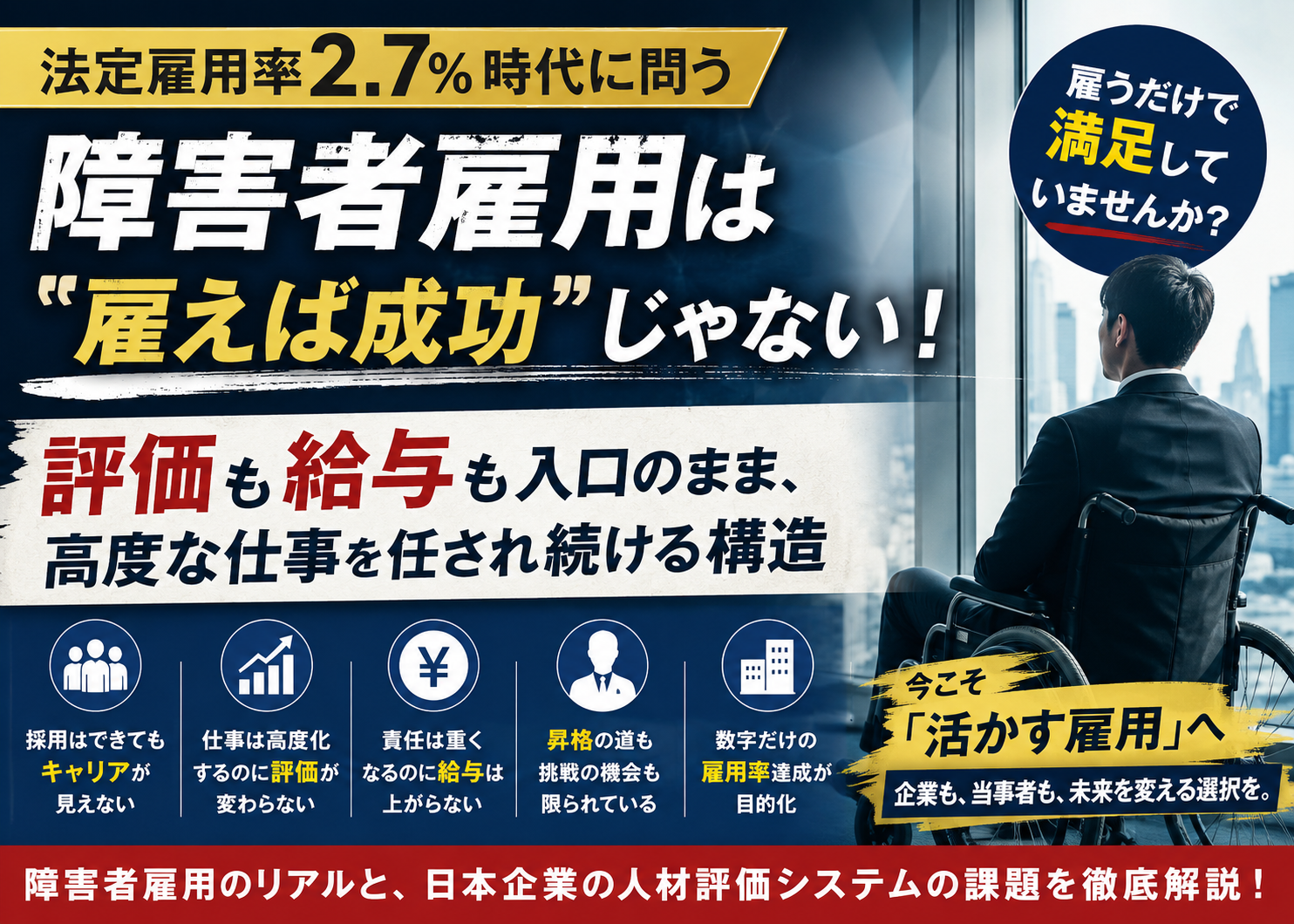
Many people who need accommodations bring strengths—accuracy, consistency, cleanliness, quiet focus—that shine where quality is life-or-death.
Decompose processes: separate high-focus tasks from the rest.
Quiet zones: stabilize noise, lighting, and temperature.
Make evaluation explicit: track zero-defect days and procedure-adherence.
4-2 Industries that need safety, cleanliness, and procedure are a perfect fit
Medical device parts, renewable O&M, food quality, municipal data cleanup—places that demand clean, calm procedures fit accommodation strengths.
Attrition falls, training costs drop. Job quality rises, and with it local stickiness.
—
Chapter 5 | The heart of gov-DX is “fewer steps for citizens”
5-1 One shared glossary + one-page templates
Glossary: unify wording across departments.
One-page templates: keep apply / change / inquiry on a single page.
One-page template (example)
Purpose / deadline / required documents / contact / owner / estimated effort
A three-segment progress bar (received → review → finalized)
5-2 A read-receipt SLA and staged replies restore trust
First response within 24 hours, final answer within X business days.
Expose unfinished items: auto-fill a reason for delay with a plain-language snippet.
—
Chapter 6 | Make reskilling plug directly into work
6-1 Ten practical procedures beat ten certificates
Decide on ten field-useful procedures first (e.g., inspect → record → share → correct → re-inspect).
Practice one procedure per week, and cycle in 90 days.
6-2 Visualize field data (voice → text → map)
Voice memo → transcript → map pin to lower reporting friction.
Pair photo + three-word comments (status / cause / next step) to speed alignment.
—
Chapter 7 | The 72-hour / 7-day / 90-day implementation calendar
0–72 hours (the next three days)
Household: compile fixed costs on one page.
Procedures: turn your three most frequent replies into templates.
Infrastructure: create a one-sheet emergency contact for home or office.
7 days
Make one local issue visible: take a photo + map pin of a risky spot (crosswalk, canal, bus stop) and send one line to the city’s suggestion box.
The last 2 cm: post three final checks for a task you own.
Small power surface: measure roof/eave/wall area and orientation.
90 days
Energy: get quotes only for small power surfaces or insulation—don’t rush to sign.
Field DX: build a one-page ledger app (spreadsheet / no-code) and have someone actually use it.
Co-created roles: list tasks suited to people who need accommodations and pilot one person’s role.
—
Chapter 8 | Choose KPIs that lower the temperature (reduce friction)
Clicks to complete basic procedures (residence records, water, trash)
Time to first reply (read-receipt SLA)
Consistency of wording across counters (using the same terms)
Errands completed within walking distance
Reachability within the first 72 hours of a disaster
When you track cool-down numbers, satisfaction and productivity follow.
—
Chapter 9 | Anticipating objections: a short Q&A
Q1. We have no money. How do we start?
A. Start with visibility and sequencing. Ledgers, shared wording, and reply templates are almost free. Invest first in small, fast-spinning changes.
Q2. We don’t have the people.
A. Decompose tasks. Separate focus-heavy work from the rest and build a quiet zone; when accommodation strengths fit the job, retention improves.
Q3. Consensus is hard.
A. Skip grand consensus. Drop to procedure: decide deadlines, owners, and exit steps. Hold a 15-minute weekly “fix-it” to accumulate agreement.
Q4. Technology goes stale.
A. That’s why we win on the way we implement. If warranty, maintenance, take-back, and training are standardized, the operational value survives tech shifts.
—
Chapter 10 | Ten small actions everyone can take—starting today
1. Pin key contacts (city hall, school, company) in your family or team chat.
2. Send a weekly “Thanks & Next” line (gratitude + the next action it enables).
3. Declare a read-receipt SLA (“first reply within 24 hours”).
4. One hazard photo a week with a map pin.
5. Write a one-page procedure for a frequent task (add one diagram).
6. Keep an emergency light and power bank by the door.
7. Do one walkable errand per week.
8. Measure your roof/walls and note orientation (prep for small power surfaces).
9. Clean up fixed costs and subscriptions on a one-page ledger.
10. Run a weekly 15-minute “fix-it” meeting.
—
Conclusion | A small country’s big design
People say Japan lacks resources. Yet we hold rare ones: procedure, cleanliness, quiet, kept promises.
These resources shine brightest when we lighten household costs, reduce procedures, and strengthen infrastructure. Different politics, different generations—there’s still broad common ground here.
Gentle strength has always sat at Japan’s center.
Let’s close one more “last 2 cm” today. Our everyday lives—just as they are—can make Japan’s future stronger and more beautiful.













コメントを残す