Meta description (120–160 chars)
A shrine is more than a place to ask for favors. With five-minute routines—sweeping, wiping, offering—you can “cover the last 2 cm” of community life. Practical guide to inclusive visits, safety, and town walking, starting from Yahashira Shrine in Yabu City.
Suggested slug (URL)
/ya-hashira-jinja-livable-ritual
Search intent
Primary: Learn about Yahashira Shrine / ujigami (local tutelary deity) / meaning of visits / history / how to practice.
Secondary: Barrier-free visits, disaster preparedness and shrines, family-friendly service templates, ideas for local revitalization.
Primary keywords
Yahashira Shrine, ujigami, shrine etiquette, community disaster preparedness, barrier-free shrine visit, volunteer service, practical prayer, Yabu City shrine
Related / LSI words
torii gate, approach path, temizu (purification), offertory, Kojin/Aragami, fire prevention, water management, machiya townhouses, udatsu firewalls, shimenawa rope, wave-and-hare carvings, enshrined deities, gōshi (merger of shrines), main hall, cultural property, shopping street, town walk
—
TL;DR
Ujigami = a device to maintain boundaries. Yahashira Shrine bundles the “many pillars” of fire, water, work, and family to cover a town’s “last 2 cm.”
Prayer is an “operation,” not just a rite. A five-minute seasonal routine is the most effective support.
Anyone can take part. Seven barrier-crossing tips + ten non-donation ways to help, made visible and actionable.
—
Table of Contents
1. Why “ujigami” matters now — designing the last 2 cm
2. What the name “Yahashira” teaches — “Eight” as a vessel of kindness
3. Narrow approaches and carvings — switching to prayer at body scale
4. Practical prayer template — five minutes × seasons × family (copy-ready)
5. No one left behind — seven barrier-free ideas
6. The gods of fire, water, and work — safety culture from the “Kanaya” memory
7. Ten ways to support beyond money
8. How to read a town walk — boundary literacy starting at Yahashira
9. FAQ
10. Conclusion — stocking everyday kindness
—
<a id=”1″></a>
1. Why “ujigami” matters now — designing the last 2 cm (intro • empathy • benefits)
We often stumble at the very end—when the last 2 centimeters between system and daily life are missing.
For me, our local ujigami, Yahashira Shrine, is an operational design that fills that gap. Behind festive rituals lie quiet workflows: sweeping, weeding, wiping, twisting shimenawa ropes. This is where the wisdom of “short, but sustained” lives.
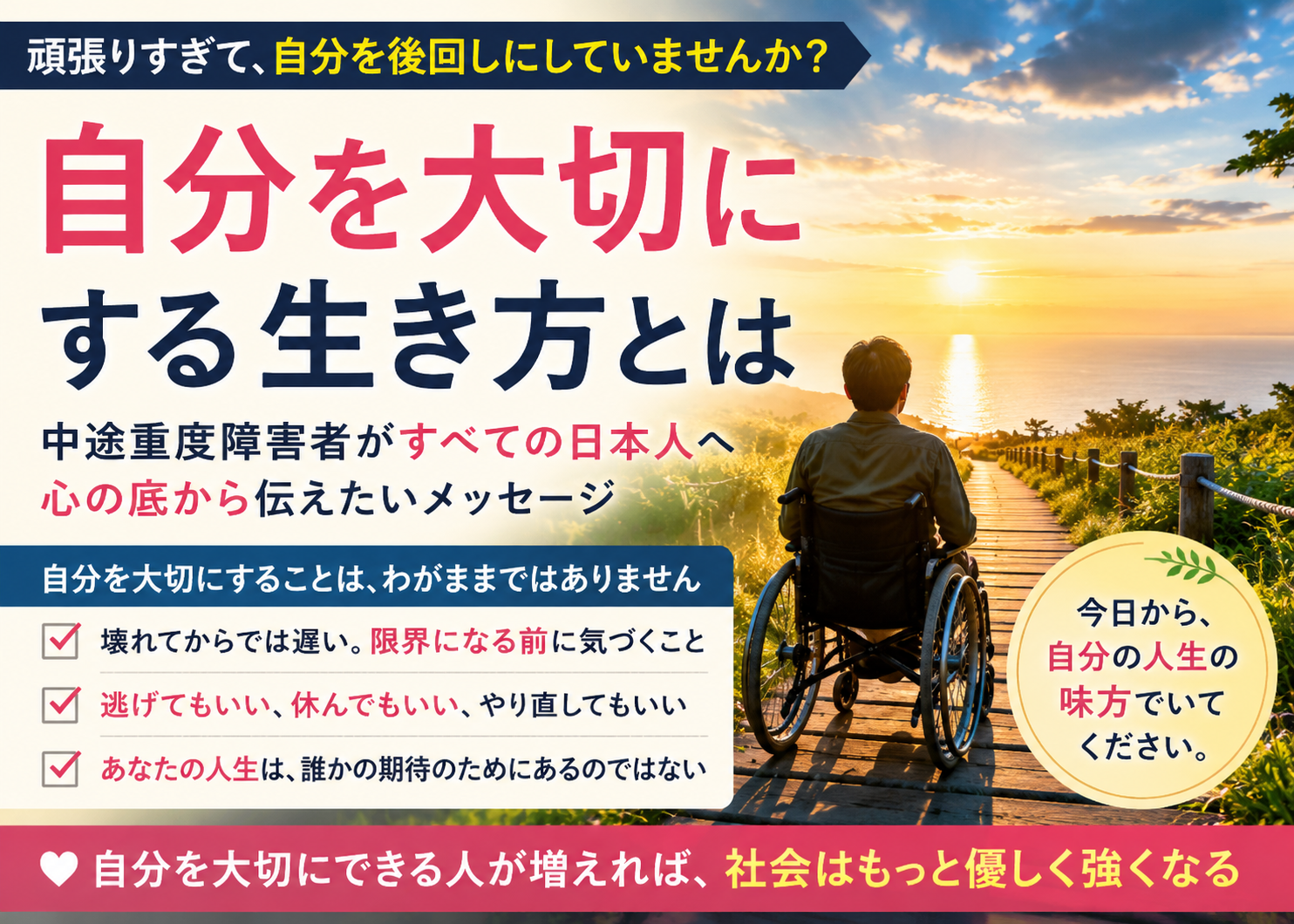
As someone who acquired a severe disability in mid-life, I have days when I can’t manage without help. That is why I felt the need to turn “sustainable kindness” into design. Yahashira Shrine is not a transaction desk for wishes; it is a base device that installs resetting / giving thanks / taking responsibility into everyday life.
Reader benefits
A ready-to-use five-minute service template
Visit design that works for families, kids, elders, and people far away
Understand the “invisible effects” that link to safety, security, and health
—
<a id=”2″></a>
2. What the name “Yahashira” teaches — “Eight” as a vessel of kindness (history • concepts • terms)
In Shinto, deities are counted with the classifier hashira (“pillars”). Yahashira (“eight pillars”) isn’t fixed to the literal number eight; it also symbolizes the four directions and all edges, covering boundaries. In other words, many pillars = a bundle of diversity.
Benefits of many pillars
Distribution: share risks across fire, water, work, household
Redundancy: if one pillar falters, the whole doesn’t collapse
Inclusion: integrates older beliefs (Kojin/Aragami—hearth/boundary gods) and occupational deities (blacksmiths, metal casting)
Amid modern shrine mergers and ranking systems, the label “Yahashira” worked as a standardized vessel—a linguistic membrane that preserved diverse on-site prayers without erasing them.
Key phrases (for internal links if you have them)
What is ujigami / meaning of “hashira” / role of Aragami (hearth deity) / shrine mergers and the editing of local faith
—
<a id=”3″></a>
3. Narrow approaches and carvings — switching to prayer at body scale (space • design • embodiment)
One charm of Yahashira Shrine is how a few steps—alley → torii → worship space—quietly switch your world. The approach need not be grand. A path just wide enough for two adults to pass invites attention and courtesy—“appropriate narrowness.”
Torii gate: a height that straightens your back—posture and breath reset
Stone steps: treads you can count with your feet—your body shifts into prayer
Carvings (waves, hares, arabesques): visual minutes of water management, fertility, and cycles
Gables and roof pitch: a symbolic act of catching and shedding sparks and damp
SEO notes (if publishing on the web):
Use H2/H3 with words like approach, torii, temizu, offertory, ornament, carving; if you add images, set descriptive alt text such as “Yahashira Shrine approach,” “Front torii,” “Wave-and-hare carving close-up.”
—
<a id=”4″></a>
4. Practical prayer template — five minutes × seasons × family (copy-ready how-to)
> Rule: Don’t overdo it. Keep it short—and keep it going. Continue together with a loose bond of family, friends, and neighbors.
Spring (Mar–Apr)
Do: sweep fallen leaves / wipe the water basin / remove moss around water areas
Offerings: one cup of water / a pinch of rice
Safety: check slippery steps; wipe handrails
Summer (Jul–Aug)
Do: weed / wipe the rim of the offertory box / untwist the bell rope
Offerings: tea and salt (hot and humid season)
Safety: beware of insects and heat; work briefly at dawn or dusk
Autumn (Oct–Nov)
Do: level the gravel / check the base of stone lanterns / sweep leaves again
Offerings: a little new rice or fruit
Safety: low-light visibility—use reflectors/flashlight
Winter (Dec–Jan)
Do: help change the shimenawa rope / soot cleaning
Offerings: salt and kombu kelp (to “open the year”)
Safety: watch for ice and falls; gloves + non-slip shoes
If you’re a family of four: 5 minutes × 4 seasons × 4 people = 80 minutes/year. Those 80 minutes are maximum-efficiency support.
—
<a id=”5″></a>
5. No one left behind — seven barrier-free ideas (accessibility)
1. Pace first: share who can manage which steps; post a “please ask us” notice the day before.
2. Reachable height: check the bell rope and offertory box; prepare a temporary low bell rope for seated visitors.
3. Plain Japanese: summarize the shrine story and rules on one A4 page (with furigana or pictograms).
4. Quiet hours: announce time slots friendlier to people sensitive to sound/light.
5. Photo etiquette: clearly state permission and time limits; avoid capturing identifiable people without consent.
6. Hygiene: explain how hand purification and alcohol sanitizer can go together.
7. Proxy visit: accept names from those who can’t come and perform a “wiping service on their behalf.”
SEO note:
Place phrases like “barrier-free shrine visit” or “shrine accessibility” in headings and echo them again in the FAQ to cover related queries.
—
<a id=”6″></a>
6. The gods of fire, water, and work — safety culture from the “Kanaya” memory (history × practice)
Yahashira carries the memory of crafts born between fire and water: smithing, casting, woodworking, dyeing. Handling sparks and moisture shaped safety culture around small roadside shrines.
Aragami/Kojin (hearth deity): protecting the kitchen = the core household infrastructure
Fire & water defense: udatsu firewall wings on townhouses, roof pitch, gutters and drains
Prototype of workplace SOP: prayer as an operation to reset oneself. The more diligently people work, the more humbly they pray.
Benefits
Small checks—lantern bases, extinguishers, hoses, drains—speed up first response and become the heart of community disaster culture.
—
<a id=”7″></a>
7. Ten ways to support beyond money (engagement • calls to action)
1. Sweep/wipe service (five minutes is fine)
2. Seasonal offerings (water, salt, rice, tea, fruit)
3. One-page plain-language guide (furigana/pictograms)
4. Measure access info (parking, steps, toilets, peak hours)
5. Thoughtful social posts (state photo rules and best times)
6. Small, steady contributions (value is in continuity, not size)
7. Safety checks (extinguishers, hoses, contact lists)
8. Explain to kids (“Why do we put our hands together?” with simple roles)
9. Ride coordination (help elders or those unwell to visit)
10. Proxy visit (carry someone’s name and deliver prayer through cleaning)
> Important: Money, time, words, driving, communication—all are offerings of equal value. In many-pillar support, there is no rank order.
—
<a id=”8″></a>
8. How to read a town walk — boundary literacy starting at Yahashira (route • checklist)
1. Bow at the torii: reset your breath.
2. Check path width: two-person width is etiquette by design.
3. Roof & gutters: slope and drainage are the town’s water memory.
4. Read the carvings: waves, hares, arabesques = minutes of prayer.
5. Alley drainage: corners where water goes silent can be disaster blind spots.
6. Udatsu on townhouses: visible ethics of fire prevention and trade.
7. Look back and bow: complete the boundary update.
Sample image alt text
alt=”Torii and approach at Yahashira Shrine; two adults could pass; the worship hall is visible ahead”
alt=”Close-up of wave-and-hare carving symbolizing water management and prosperity”
alt=”Udatsu firewall and rain gutter along a shopping street—fire prevention and drainage design”
—
<a id=”9″></a>
9. FAQ (covering related queries)
Q1. How much should I offer?
A. Whatever you can manage. Start with water, salt, and rice; add one seasonal item like tea, fruit, or kombu. Intention > amount.
Q2. Is there a “right” offertory coin?
A. No single answer. The best amount is the one you can keep giving. Even 100 yen matters when done year after year.
Q3. Is photography allowed?
A. It differs by shrine. Check rules for permission and time, and be mindful of people in the frame. Help reduce congestion, too.
Q4. I’m uneasy when prayer becomes all about “asking.”
A. Prayer isn’t only asking; it’s resetting, thanking, and accepting. On some days, resetting alone is more than enough.
Q5. My disability or condition makes visits difficult.
A. Remote prayer works: sweep your doorway or place water and salt on your table. Those five minutes do reach. You can also request proxy wiping service.
Q6. How can I involve kids?
A. Use the chance to answer their “why.” Give short roles—pick three leaves, gently straighten the bell rope, read the one-page guide together.
Q7. Best time of day?
A. Summer: morning/evening. Winter: daytime. Quiet hours help people sensitive to light and sound.
—
<a id=”10″></a>
10. Conclusion — stocking everyday kindness (wrap-up • CTA)
An ujigami is a first-aid kit for the heart. Open it and you’ll find a broom, a cloth, a little rice and salt. Nothing expensive. Covering the last 2 cm always comes from small repetitions.
Three minimal actions for today
1. Bow at the torii.
2. Pick up three fallen leaves.
3. Whisper, “I’ll be back.”
Do just these, and your town grows a little lighter. Sustainable kindness is always within reach.

障害者雇用で「仕事を切り出す」だけでは足りない
――元課長・中途重度障害当事者が考える「人を活かす仕事の再設計」
障害者雇用で「仕事を切り出す」だけでは、本当の人材活用にはつながりません。健常者時代に課長を…














コメントを残す