— What I Have Seen in Reality, and Yabu City’s Future Map
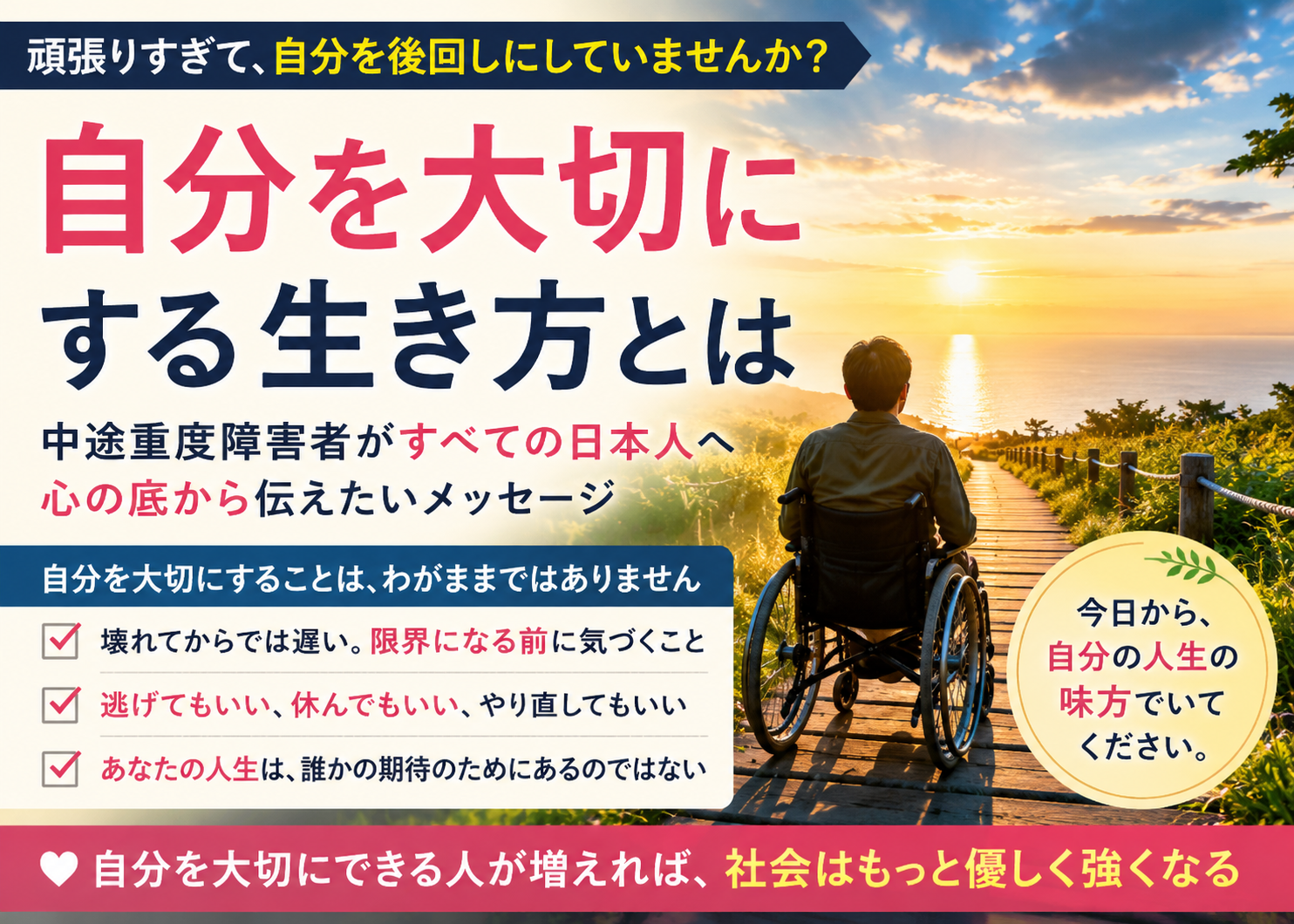
After becoming severely disabled in midlife, I have learned through daily struggles that whether I can move and participate determines the quality of life. A single step, a broken elevator, an inaccessible bus reservation system—small obstacles pile up and shrink one’s world.
This is not just about individuals. Municipalities are the same. Fiscal “steps,” outdated public facilities, disconnected transport routes, invisible costs—when these accumulate, a city’s future shrinks.
In my previous article, I analyzed Yabu City’s 2024 financial accounts as if they were a “household budget.” The reality: heavy fixed costs (personnel, welfare, facility maintenance) leave very little free money. Public facilities (so-called hako-mono), population decline, rising energy costs, and aging infrastructure like transit and water supply all weigh heavily.
The question now is: how do we shave off these steps, and make the city lighter and more resilient?
The keywords are threefold:
Portfolio: optimize what we own, how much, and in what form
Connection: link mainline transit with on-demand shuttles, water pipes with finance and data, industries with people
Inclusion: design so that the weakest are reached first—because that is, in fact, the most efficient
And some walls cannot be overcome by Yabu alone. That’s why I also propose changes in national and social systems.
—
Chapter 1: Key to Revival (1)
“Public Facility Portfolio” Driven by a Report Card
1-1 From “Bigger Is Better” to “Smaller but Smarter”
Grand public buildings of the past have become burdens in today’s era of shrinking population. Owning costs more than building. And as usage declines, the cost per person skyrockets.
1-2 Publishing a Facility “Report Card”
Every facility should be graded annually on five dimensions (20 points each, 100 total):
1. Effectiveness: contribution to welfare, education, economy, culture
2. Cost: total per-person-per-hour cost including energy, staff, repairs
3. Alternatives: availability of substitutes nearby or online
4. Equity: accessibility to elderly, disabled, parents, low-income households
5. Resilience: evacuation, power, and communication functions in disasters
Facilities scoring 80+ are strengthened, 60–79 are conditionally maintained, 40–59 downsized or repurposed, <40 merged or closed.
This is not about names or sentiments. We debate with numbers, and reach agreement with feelings. Transparency, explanation, and alternatives are essential.
1-3 Flexible, Multi-Use Facilities
Empty classrooms → childcare + learning + co-working spaces
Halls → portable lighting/sound, concentrated use for big events
Gymnasiums → zone operations (half/third court, partial lighting/heating)
Libraries → colocated with welfare or job support centers
1-4 Energy Savings and Maintenance DX
Insulation, LED, efficient HVAC, solar + storage to cut bills
IoT meters to track use and efficiency (kWh per person-hour as KPI)
Predictive maintenance to prevent sudden large repair bills
1-5 Rethinking KPIs for Outsourced Operators
Visitor counts alone don’t work. KPIs must include:
Inclusion, energy efficiency, resilience, fairness, resident satisfaction.
—
Chapter 2: Key to Revival (2)
Re-Designing the “Right to Move” with Mainlines and On-Demand
2-1 Transit as Lifeblood
Cutting “unprofitable” routes is like cutting your own arteries. We must redesign, not abolish.
2-2 Mainline + On-Demand
Mainlines: connect hospitals, schools, shopping, city hall. Reliable schedule.
On-demand shuttles: fill gaps in off-peak hours.
Reservations via app + phone (no one left behind).
KPIs: wait times, transfer success rates, cost per trip, satisfaction, equity of use.
2-3 Showing Real-Life Outcomes
Publish user stories: “who, where, how often, what changed.”
As a wheelchair user, just being able to reserve and transfer safely opens up my life.
2-4 Drivers and Infrastructure
Shared staffing across municipalities, flexible shifts, women drivers, automation trials
Fully barrier-free stops: raised curbs, shelters, lighting—investments that grow ridership
—
Chapter 3: Key to Revival (3)
Water & Sewer “10-Year Asset Management”
Use GIS and condition data to prioritize upgrades.
Show leak rates, delay years, risk of outages, fee impacts.
Small decentralized systems and renewable-powered pumps reduce dependency.
Use ESCO/PPP models to spread costs fairly.
—
Chapter 4: Key to Revival (4)
A “Light Value Chain” for Industry
From bulk commodities → small, rare, high-value (spices, herbs, crafts, mushrooms, timber).
Invest in cold logistics, micro-processing, D2C support, small incubation hubs.
Tourism should be about longer stays with experience value, not one-time mass events.
—
Chapter 5: Key to Revival (5)
Human Resource & Learning Cycles
Schools have space but not enough teachers. Solution: class-sharing, online lectures with local facilitators, maker programs.
Balance caregiving and work: co-working + remote jobs, transport packages, corporate partnerships.
Every additional worker sustained helps the family and the fiscal base.
—
Chapter 6: Key to Revival (6)
Smarter Finance
ESCO, PPAs, green/ social bonds, SIBs to cross the upfront cost barrier.
Stop “March rush” spending: multi-year contracts, leasing.
Not “cut everything,” but choose priorities: mobility, participation, learning, disaster safety.
—
Chapter 7: Beyond Yabu—Changing National and Social Systems
Local innovation hits a ceiling if rules stay outdated. Proposals:
Shift transport subsidies from deficit coverage to KPI-based support.
National standard APIs for on-demand transit.
Facility design standards that allow downsizing and multi-use.
Regional water/sewer procurement to cut costs.
Simplified permits for reusing vacant houses.
Multi-qualification caregivers (care + childcare + transport).
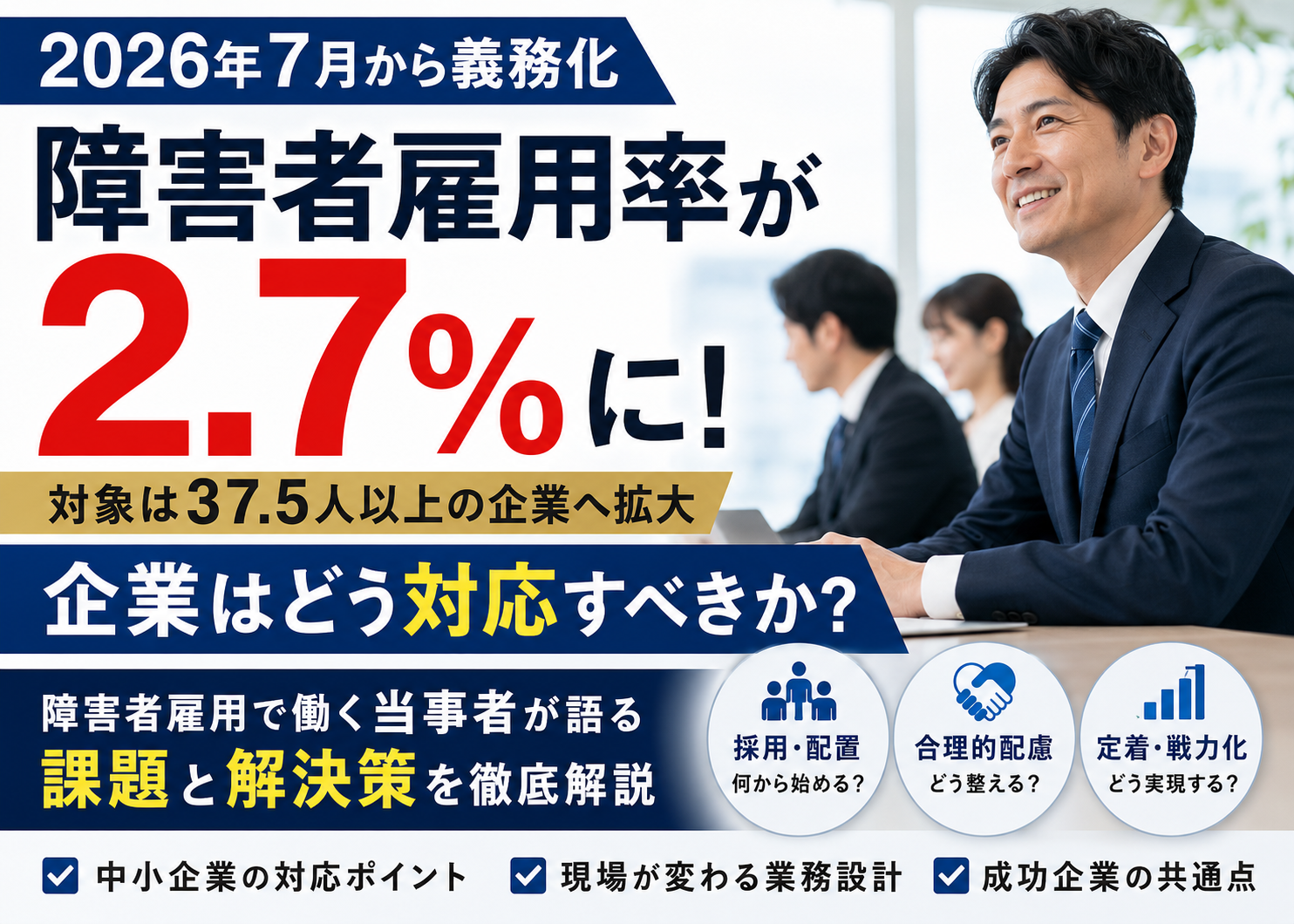
Regional work visas and remote jobs for disabled.
Transparent procurement, anonymized open dashboards.
—
Chapter 8: “Nothing About Us Without Us”
Designing services for the vulnerable first makes them more efficient for everyone.
Barrier-free bus stops help parents in the rain, and shorten dwell times.
App + phone reservations reduce both exclusion and waiting lines.
Universal tourism boosts not just inclusion, but spending per visitor.
Inclusion is not charity. It is strategy.
—
Chapter 9: Roadmap
72 hours: freeze new facilities, publish raw data, post transit KPIs.
90 days: score all facilities, list candidates for repurposing, draft water AM plan.
1 year: revise KPIs, optimize routes, launch first co-use hub, quarterly dashboards.
3 years: cut energy use by 20%, raise ridership and satisfaction, improve job continuity for caregivers, increase tourist stays, halve water upgrade delays.
—
Chapter 10: Anticipating Risks & Objections
“This is abandonment!” → No, numbers guide repurposing before closure.
“Culture will shrink!” → Frequent small events instead of rare big ones.
“Private operators will exploit us.” → KPIs enforce inclusion and resilience.
“We can’t without subsidies.” → Finance tools exist; regulations must adapt.
“No staff.” → Multi-qualification, flexible shifts, tech + automation fill gaps.
—
Epilogue: “YABU COMPACT 2035”
Compact does not mean shrinking. It means layering functions, cutting waste, reaching the people who need it.
10 Promises:
1. Right to Move (mainline + on-demand)
2. Visible Governance (dashboards for facilities, transit, water)
3. Lighter Facilities (multi-use, energy savings)
4. Work-Life Balance Infrastructure
5. Learning Town (co-op classes)
6. Flow Economy (logistics, processing, EC support)
7. Standard of Inclusion
8. Secure Water (10-year plan with fee dialogue)
9. Smart Finance
10. National Reform Demands
Targets by 2035:
Per-person facility costs down 20%
Transit wait times -30%, transfers +20pt
Caregiver employment continuity +15pt
Tourist stay length +0.8 days, spending +30%
Water upgrade delays halved
Stories matter as much as KPIs:
“I could book and transfer safely in my wheelchair.”
“An empty classroom became our child–parent–freelancer hub.”
“The hall lights stayed on every week.”
“Local pepper reached dining tables abroad.”
When numbers and stories align, change becomes irreversible.
—
Closing
Finance, transit, water, industry—these may sound abstract, but they shape our daily comfort and discomfort.
The first step can be small:
Ask to see a facility’s “report card.”
Try booking an on-demand shuttle.
Submit one idea for reusing an empty classroom.
That alone nudges councils, bureaucrats, and even national policy.
“Nothing about us without us.” Don’t decide without us. Decide with us.
A town that can say this will surely become lighter, stronger, more resilient.
Yabu City already has the potential. Which means that you, reading this, are already the first protagonist of its story.














コメントを残す