Meta Description (120–155 characters)
Amid heatwaves and fuel risks, Japan’s hydropower shines again—from Keage to Kurobe, Okutataragi, and Totsukawa. Beyond electricity, hydropower supports tourism, disaster prevention, and agriculture.
Recommended Slug
/energy-crisis-2025-hydro-renewal
Main Keywords
hydropower Japan / pumped-storage / hydropower repowering / hydropower tourism / hydropower disaster prevention / hydropower agriculture
Related Keywords (LSI)
Kurobe Dam tourism / Keage Power Station history / Okutataragi pumped-storage / Totsukawa flood control / irrigation dam / renewable balancing power / Japan energy mix
—
1. Introduction|An Energy Crisis Rekindles Hydropower’s Value
The summer of 2025 exposed Japan’s fragile power system. Heatwaves drove up demand, fossil fuel prices remained high, and solar curtailment surged.
Amid this instability, hydropower quietly proved itself again. From Keage Power Station (1891), Japan’s first modern hydro plant, to today’s mega-dams, water has been the country’s most reliable renewable for over 130 years.
—
2. Japan’s Hydropower Landscape
Conventional hydropower: Supplies about 7–8% of annual generation, drawing from rainfall and snowmelt.
Pumped-storage hydropower: A “giant battery” with 27.4 GW capacity, among the world’s largest. Kansai Electric’s Okutataragi plant (Hyogo) is one of the biggest globally.
Regional integration: The Totsukawa dam system (Nara) provides power while doubling as flood control and local infrastructure.
—
3. Hydropower’s Double Strength — Stability and Flexibility
3-1. Stability
Since Keage, conventional hydro has offered fuel-free, CO₂-free, domestic energy. Seasonal variation balances out across the year, creating a “leveling effect” for the grid.
3-2. Flexibility
Okutataragi pumped-storage absorbs surplus solar at night and discharges massive power during the evening peak—millions of kW on demand, stabilizing the system.
—
4. Challenges Facing Hydropower
Aging facilities: Many dams and pumped-storage plants were built in the 1960s–70s. Repowering is essential.
Revenue model: Deregulated markets narrowed price gaps, weakening the “buy low, sell high” model. Capacity and balancing markets are now critical for revenue.
Environmental and social consent: New dams face strong opposition. Upgrading existing facilities is the more realistic path forward.
—
5. Hydropower Repowering — Reviving Hidden Potential
Okutataragi upgrades: Turbine replacements improved efficiency and response times.
Totsukawa system: AI-based integrated control now optimizes both flood control and power generation.
Repowering can deliver “new power without new dams,” making it the fastest way to expand domestic renewable supply.
—
6. Hydropower and Regional Coexistence — Tourism, Disaster Prevention, Agriculture
6-1. Tourism
Kurobe Dam (Toyama) attracts over a million visitors annually. Its massive water discharge is a tourist spectacle.
Keage Power Station and the Lake Biwa Canal (Kyoto): Once built for electricity, today a cultural landmark and sightseeing route.
6-2. Disaster Prevention
Totsukawa Dams (Nara) function as both hydropower plants and flood control basins, protecting communities from heavy rain and typhoons.
6-3. Agriculture
Kiso and Ibi River basins: Hydropower dams regulate flows, ensuring stable irrigation for farmers.
This multi-functionality—electricity, safety, and food—makes hydropower unique among energy sources.
—
7. Hydropower Compared to Other Energy Sources
Nuclear: Provides stable baseload but struggles with waste management. Hydropower complements it with rapid response.
Solar: Quick to install but prone to curtailment. Pumped-storage turns “wasted electricity” into usable energy.
Thermal (fossil): Offers instant power but is fuel-cost heavy. Hydropower is fuel-free and sustainable.
—
8. Hydropower’s Role in the “Strongest Mix”
In the proposed 20% nuclear + 70% renewables mix, hydropower plays three roles:
1. Conventional hydro 7–8%: Provides stable domestic power.
2. Pumped-storage 8–10%: Acts as the grid’s “heart,” balancing renewables.
3. Repowering effect: Unlocks hidden capacity without building new dams.
Hydropower doesn’t just add “quantity.” It improves the quality of renewable energy.
—
9. Hydropower Actions to Consider in September
Policy: Support repowering projects, strengthen market frameworks for pumped-storage.
Companies: Standardize strategies combining pumped-storage, batteries, and demand response (DR).
Regions: Promote hydropower not only as energy but also as tourism, agriculture, and disaster resilience assets.
—
10. Conclusion|Hydropower Is Japan’s Oldest and Strongest Domestic Energy
From Keage to Kurobe, Okutataragi, and Totsukawa, hydropower is more than just electricity.
It is tourism, flood safety, irrigation, and community infrastructure—all powered by water.
In an era of energy crisis, hydropower reminds us: the strength to overcome challenges has always flowed in Japan’s rivers.

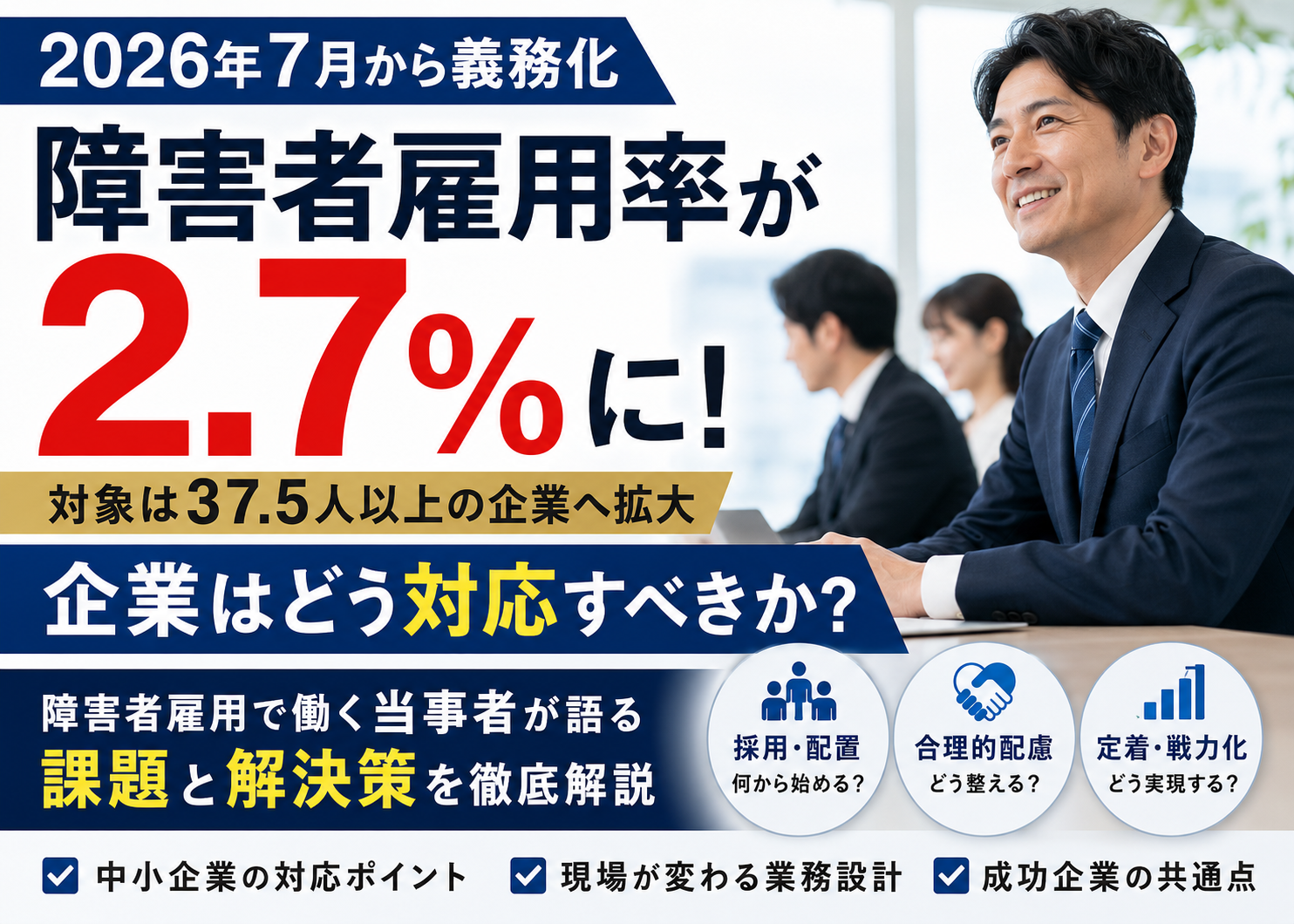
障害者雇用で「仕事を切り出す」だけでは足りない
――元課長・中途重度障害当事者が考える「人を活かす仕事の再設計」
障害者雇用で「仕事を切り出す」だけでは、本当の人材活用にはつながりません。健常者時代に課長を…
















コメントを残す