✅ Meta Description (within 155 characters)
This 10,000+ word blog explores the history of hydropower in Japan from Keage Power Station, Kansai Electric’s pivotal role, and the author’s personal journey as a disabled contributor to sustainable energy.
—
Table of Contents
1. Introduction|Why I, a severely disabled person, was drawn to hydropower
2. What is Keage Power Station?|The dawn of hydropower in Japan
3. Kansai Electric’s History and Mission in Hydropower
4. Japan’s Economic Boom and the Strength of Water
5. Deregulation and the Silent Struggles of Hydropower
6. Re-evaluating Hydropower in the Modern Era
7. Why Hydropower is the Ideal Renewable Energy
8. The Mechanism and Significance of Pumped Storage Hydropower
9. Hydropower and Regional Revitalization
10. Conclusion|Living like water — a quiet power that supports lives
—
1. Introduction|Why I, a Severely Disabled Person, Was Drawn to Hydropower
I work in an administrative role at Kansai Electric Power, despite living with a severe physical disability that limits much of my movement.
Even so, I take great pride in supporting the operation of hydropower plants.
Why?
Because hydropower — quietly working behind the scenes — feels like a reflection of my own life.
It’s not flashy.
It doesn’t make headlines.
But it’s indispensable — sustaining life, industry, and comfort.
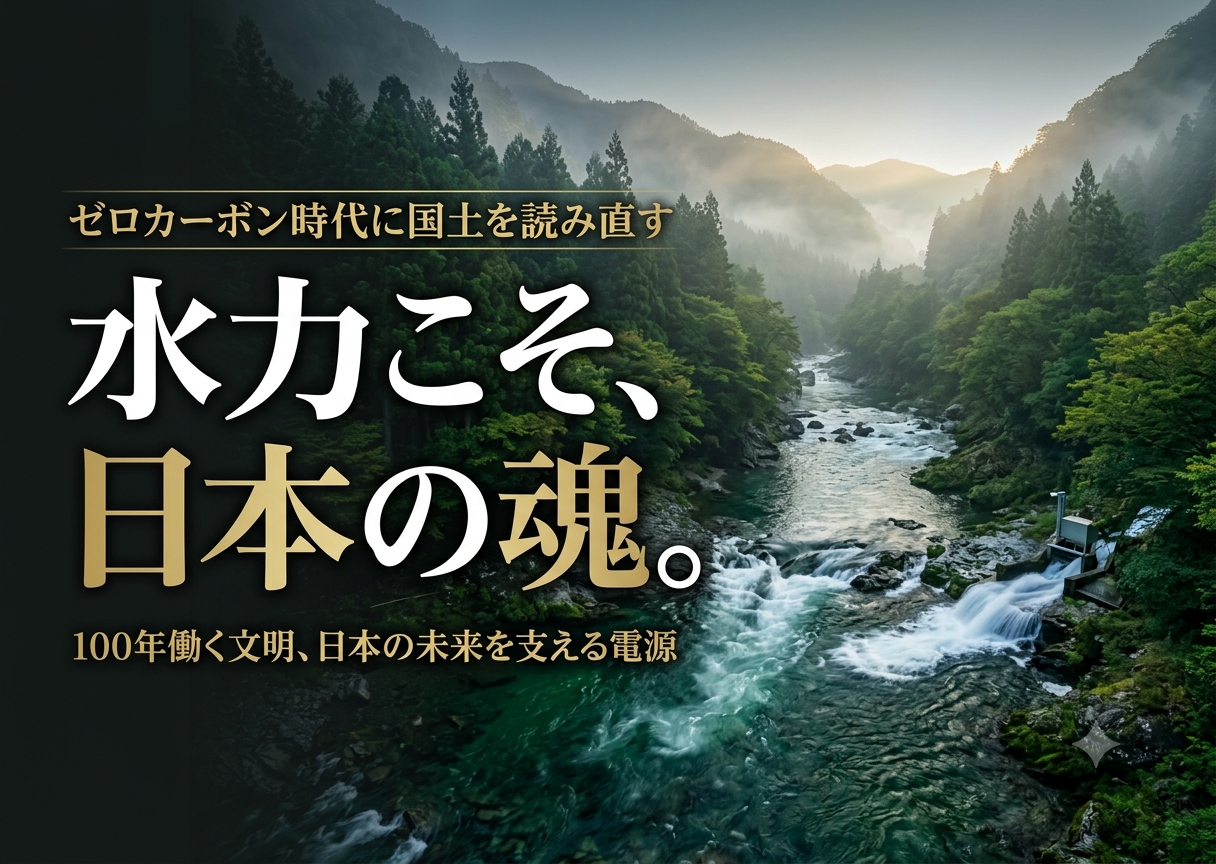
This blog is a deep dive into Japan’s hydropower legacy, beginning with Keage Power Station, and why I believe this “silent energy” carries hope for the future.
—
2. What is Keage Power Station?|The Dawn of Hydropower in Japan
Japan’s modern hydropower began in 1891 with Keage Power Station, located in Kyoto.
Powered by the Lake Biwa Canal, this modest station generated only about 140kW — yet it revolutionized the city, powering streetlights and Japan’s first electric railway.
It symbolized Japan’s leap into modernity.
Today, we often focus on “cutting-edge” energy tech. But the humble hydropower station that brought literal light to a dark city — that was a miracle in its time.
—
3. Kansai Electric’s History and Mission in Hydropower
Established in 1951, Kansai Electric Power Co. (KEPCO) took over dozens of hydropower facilities across the Kansai region, including:
Azumigawa Power Station (Shiga)
Okutadara Power Station (Hyogo)
Totsukawa Power Station (Nara)
These weren’t just power plants — they were lifelines for local communities.
From building dams to maintaining forests and rivers, KEPCO became more than an energy provider — it became a guardian of the region’s infrastructure.
—
4. Japan’s Economic Boom and the Strength of Water
During the post-war economic boom, Japan was desperate for stable energy.
Hydropower stepped up.
Reservoir-based systems and river-flow systems powered homes, factories, and railways — without relying on imported fuel.
The silent work of engineers in remote valleys gave Japan the reliable power it needed to rise from the ashes.
—
5. Deregulation and the Silent Struggles of Hydropower
In the 2000s, Japan’s electricity market was deregulated.
Newcomers rushed into solar and wind energy, drawn by subsidies and faster returns.
Hydropower, by contrast, was seen as “old, expensive, and slow.”
Challenges included:
Aging infrastructure
High maintenance costs
Complicated renovation regulations
As someone with a disability, I saw painful parallels.
When society only values efficiency and output, people — or systems — that require more care often get left behind.
—
6. Re-evaluating Hydropower in the Modern Era
Recently, hydropower has started to gain new appreciation.
Why?
Advantage Explanation
Stability Generates power 24/7, unaffected by weather
Zero Emissions Truly renewable and eco-friendly
Domestic Energy self-sufficiency without imports
Multi-use Works with flood control, agriculture, and drinking water
Kansai Electric is now reinvesting in hydropower.
Plants are being upgraded, and staff are being trained for long-term sustainability.
—
7. Why Hydropower is the Ideal Renewable Energy
Unlike solar or wind, hydropower is stable.
No dependence on daylight
Resilient during storms and snow
Essential for grid stabilization
In an age of increasingly volatile weather, this predictability is priceless.
Hydropower isn’t just “green” — it’s grounded.
—
8. The Mechanism and Significance of Pumped Storage Hydropower
One of hydropower’s most strategic technologies is pumped storage.
How It Works:
1. Use excess power (usually at night) to pump water uphill
2. During peak demand, release it downhill to generate electricity
3. Repeat — storing energy like a natural battery
The Okutadara Plant, run by Kansai Electric, plays this very role — helping balance Japan’s growing renewable energy mix.
In the future, energy storage will define whether renewables can become the mainstream.
Pumped storage is already a proven solution.
—
9. Hydropower and Regional Revitalization
Hydropower plants are often located in rural or mountainous areas.
This makes them uniquely suited to:
Create local jobs
Serve as educational field trips for schools
Provide evacuation sites and backup power during disasters
Protect natural resources through forest and river management
In short, hydropower contributes to regional revitalization.
And for someone like me — a disabled worker who can still contribute — this synergy between energy and community feels like the ideal future.
—
10. Conclusion|Living Like Water — A Quiet Power that Supports Lives
I want to live like water.
To be quiet but constant.
To support, not shine.
To be essential, even if unnoticed.
That’s what hydropower does.
And that’s what my job, as a back-office worker with a disability, allows me to do.
Supporting the infrastructure that supports society — that’s something to be proud of.
This article isn’t just about electricity.
It’s about the people and systems that carry us quietly, daily, faithfully.
And perhaps, you too can live like water — strong, steady, and quietly indispensable.
—
✅ Key Takeaways
Topic Summary
Keage Power Station Japan’s first commercial hydro plant, symbol of modernization
Kansai Electric’s Role Regional energy provider with deep hydropower roots
Current Status Hydropower is regaining relevance as a stable, eco-friendly energy
Pumped Storage A critical solution for energy storage and grid balance
Disabled Perspective Supporting society from behind the scenes is both possible and powerful

















コメントを残す