—Why “Safety First” Must Be the Core Principle of Hospital Management—
—
Meta Information
SEO Title (within 60 characters)
Hospital Management Must Be Safety-First|Protecting Staff Protects Patients
Meta Description (120–155 characters)
Protecting healthcare workers directly protects patients. This article explains why safety-first management is essential and how hospitals can build trust.
Suggested Slug
/healthcare-safety-first-management
Main Keywords
safety-first, healthcare management, patient trust, staff retention, workplace safety
Related Keywords (LSI)
hospital management, medical safety, risk management, nurse turnover, malpractice risk, patient satisfaction, safe workplace
—
Table of Contents
1. Introduction|The Core Principle: Protecting Healthcare Workers
2. Why Protecting Staff Means Protecting Patients
3. Risks of Ignoring Safety
Malpractice and Lawsuits
Reputational Damage and Patient Loss
Rising Turnover and Hiring Difficulties
Sustainability Risks
4. Benefits of Prioritizing Safety
Building Patient Trust and Referrals
Staff Retention and a Learning Culture
Financial Stability and Recruitment Strength
5. Listening to the Frontline Voices
6. Three Actions Hospital Leaders Can Take Immediately
7. Building Systems for Safety: Meetings and Reporting Tools
8. Designing and Using a Safety KPI Dashboard
9. “No-Blame Culture” with Accountability
10. Standardization and Buffer Time to Prevent Mistakes
11. A Safe Workplace Attracts and Retains Talent
12. Safety in Supply, Facilities, and IT Systems
13. Case Study (Composite Example): Change in 90 Days
14. Debunking the Myth: “Safety Increases Costs”
15. Implementation Roadmap|72 Hours, 7 Days, 90 Days
16. Conclusion|Protecting Staff Is the Best Way to Protect Patients
—
1. Introduction|The Core Principle: Protecting Healthcare Workers
In hospital management, financial stability, new equipment, or insurance reimbursements are often highlighted. But above all, the foundation of healthcare is simple: protecting the people who work on the frontline.
A hospital’s true value does not come from its buildings or machines but from the professionals who care for patients—doctors, nurses, technicians, pharmacists, admin staff, cleaners. Protecting their safety and well-being is the only way to truly protect patients.
—
2. Why Protecting Staff Means Protecting Patients
Healthcare requires sharp focus and critical judgment.
If a nurse is overworked, medication errors are more likely.
If a doctor is exhausted, surgical risks rise.
If technicians cannot rest, test accuracy declines, leading to misdiagnosis.
Staff safety and patient safety are inseparable.
A “patient-first” policy is impossible without a “staff-first” environment.
—
3. Risks of Ignoring Safety
(1) Malpractice and Lawsuits
Medical errors lead to lawsuits, costly settlements, higher insurance premiums, and stricter audits—creating long-term financial burdens.
(2) Reputational Damage and Patient Loss
In today’s digital era, one negative incident spreads quickly through social media, reducing referrals and patient return rates.
(3) Rising Turnover and Hiring Difficulties
Unsafe workplaces accelerate burnout. Skilled staff leave, recruiting becomes harder, and training costs skyrocket.
(4) Sustainability Risks
Accumulated losses from accidents, turnover, and reputational harm undermine long-term sustainability.
—
4. Benefits of Prioritizing Safety
(1) Patient Trust and Referrals
A calm and well-supported staff can provide consistent explanations and attentive care, boosting patient satisfaction, return rates, and referrals.
(2) Staff Retention and a Learning Culture
Psychological safety encourages staff to stay longer and share lessons from mistakes, fostering continuous improvement.
(3) Financial Stability and Recruitment
Lower turnover costs and fewer incidents create financial stability. Hospitals with strong safety cultures also attract high-quality talent.
—
5. Listening to the Frontline Voices
> “The scariest thing is when constant busyness feels normal. Safety issues are structural, not individual.” (Nurse)
“When explanations differ, patients lose trust. Fast, consistent communication matters.” (Doctor)
“If reporting takes too long, near-misses won’t be shared. A 1-minute mobile form would change that.” (Technician)
“Protected break times restore decision-making. Safety starts with rest.” (Emergency staff)
The message is clear: safety is not about goodwill—it requires systems and design.
—
6. Three Actions Hospital Leaders Can Take Immediately
1. 15-Minute Daily Rounds
Ask: “Where’s today’s biggest risk? What’s the smallest fix? How can management help right now?”
2. Anonymous 1-Minute Incident Reporting
QR code form, smartphone-friendly, with guaranteed feedback within 48 hours.
3. Make Safety KPIs the First Agenda at Board Meetings
Place safety metrics before financials.
—
7. Building Systems for Safety
Weekly Meetings (30 min)
Incident trends, risk forecasts, staffing and supply checks, management commitments.
1-Minute Incident Reporting
Simple, anonymous, mobile-friendly reporting with quick feedback.
—
8. Designing and Using a Safety KPI Dashboard
Leading Indicators (Prevention)
Incident/near-miss reporting rate
Corrective action completion within 48 hours
Break compliance rate
Training/Simulation participation
Lagging Indicators (Outcomes)
Adverse event rate (falls, wrong medication, etc.)
Patient complaints and resolution speed
Staff turnover rate
Patient return/referral rate
Focusing on leading indicators is the key to preventing incidents before they occur.
—
9. “No-Blame Culture” with Accountability
A “no-blame” culture means avoiding personal attacks, not ignoring responsibility.
Identify process flaws, not individual failures.
Implement preventive measures: immediate → permanent → verified.
Share lessons across departments to prevent repetition.
—
10. Standardization and Buffer Time
SOPs: one-page, step-by-step with photos.
Break times must be institutionalized, not left to effort.
Staffing should be based on peak demand, not average workload.
—
11. A Safe Workplace Attracts and Retains Talent
Hospitals known as “safe places to work” become magnets for skilled professionals. Retention rises, knowledge is preserved, and organizational resilience grows.
—
12. Safety in Supply, Facilities, and IT Systems
Use concise checklists for high-risk equipment.
Maintain backup supplies.
Avoid “alert fatigue” in IT by prioritizing critical warnings.
Always keep paper-based fallback procedures for outages.
—
13. Case Study|Change in 90 Days (Composite Example)
A 250-bed acute care hospital:
Anonymous reporting increased reports 3x.
Weekly meetings boosted corrective action completion to 80%.
Simplified SOPs reduced fall incidents.
Protected night-shift breaks cut patient complaints.
Within 90 days: patient satisfaction improved, referrals increased, and staff surveys showed stronger trust in safety measures.
—
14. Debunking the Myth: “Safety Increases Costs”
While initial investments are needed, the hidden costs of accidents, lawsuits, and staff turnover far exceed them. Safety is both a cost reduction and revenue driver.
—
15. Implementation Roadmap
Within 72 Hours
Public “safety-first” declaration from leadership
QR-based anonymous reporting form
Start 15-minute daily rounds
Within 7 Days
Launch weekly meetings
Share SOP templates
Define leading and lagging safety KPIs
Within 90 Days
Full dashboard rollout
Recognition program for “good catches”
Night-shift break system fully operational
—
16. Conclusion|Protecting Staff Is the Best Way to Protect Patients
Hospital management often emphasizes numbers and systems, but at its heart lies a simple principle: protect the staff, and you protect the patients.
Staff safety = patient safety
Safety-first systems = risk management
Trust grows from safe workplaces
This is not new knowledge, but a forgotten truth. By returning to this principle, hospitals can sustain both their mission and their future.
Protecting healthcare workers is not optional—it is the only way to truly protect patients.

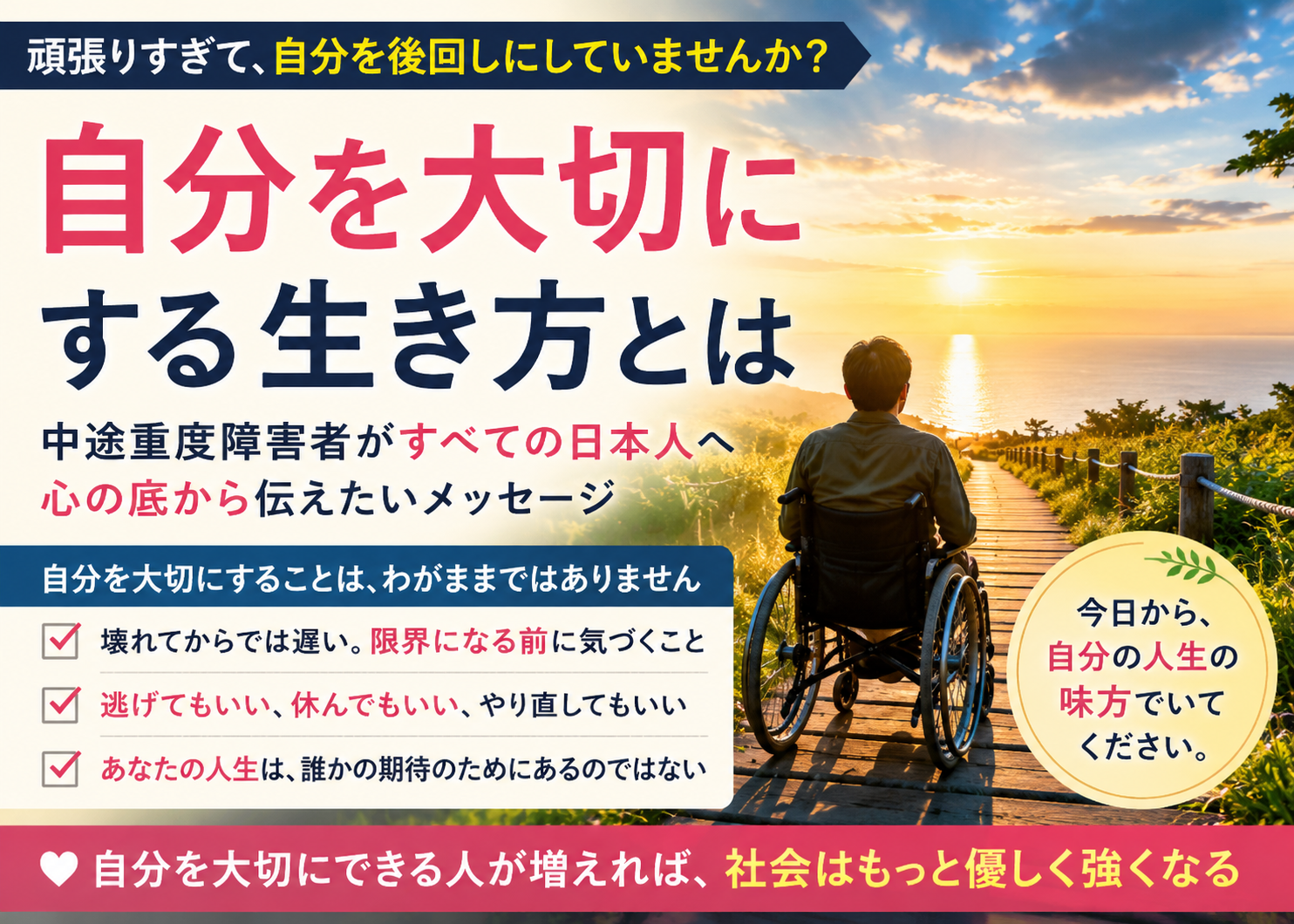
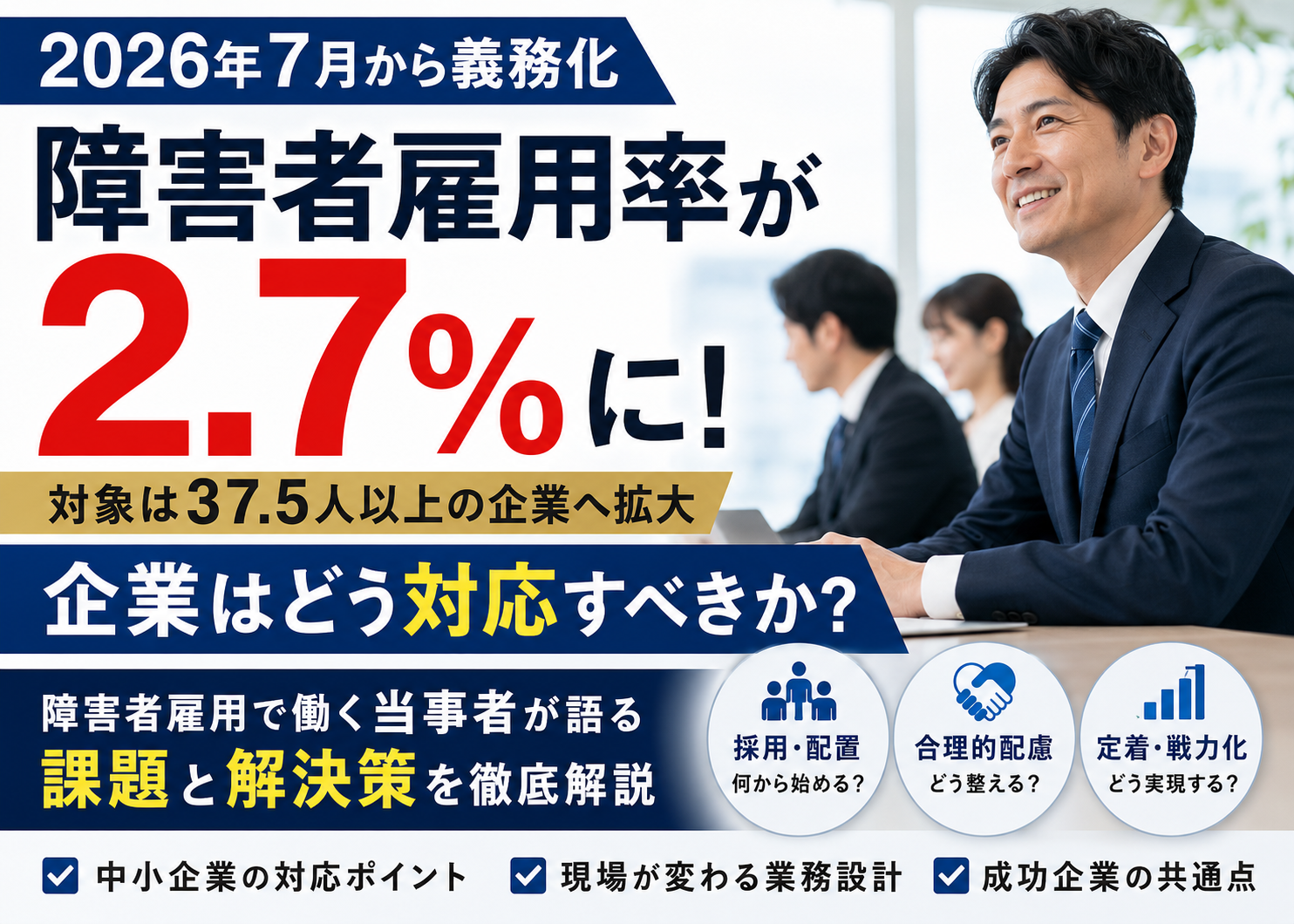
障害者雇用で「仕事を切り出す」だけでは足りない
――元課長・中途重度障害当事者が考える「人を活かす仕事の再設計」
障害者雇用で「仕事を切り出す」だけでは、本当の人材活用にはつながりません。健常者時代に課長を…
















コメントを残す