Meta Description (within 155 characters) “Don’t talk about politics or religion.” But for a severely disabled blogger, these taboos became lifelines. A deeply moving, intellectual story of survival.
Primary SEO Keywords politics religion taboo / disabled blogger Japan / disability and public policy / Shinto Buddhism mental support / social welfare for disabled / religion emotional support / minority perspective policy / human dignity and beliefs
Table of Contents
- Introduction | Wisdom in Social Taboos
- Chapter 1 | Politics Is Our Daily Life
- Doubting the Myth of Personal Responsibility
- Policy Knowledge and Rational Perspective
- The Power of the Minority Voice
- Chapter 2 | Religion as a Framework for Meaning
- Shinto and Buddhism as Emotional Anchors
- The Sacred Space for Tears and Emotions
- Chapter 3 | Shedding Light on What’s Rarely Said
- Why We Avoid Talking About What Matters
- Disability and the Right to Speak about Life
- Conclusion | Forbidden Knowledge as a Lifeline
- References
- About the Author
Introduction | Wisdom in Social Taboos
“Don’t talk about politics or religion.” This phrase is all too common in Japanese homes, schools, and workplaces.
But I want to say this clearly:
These very taboos saved my life.
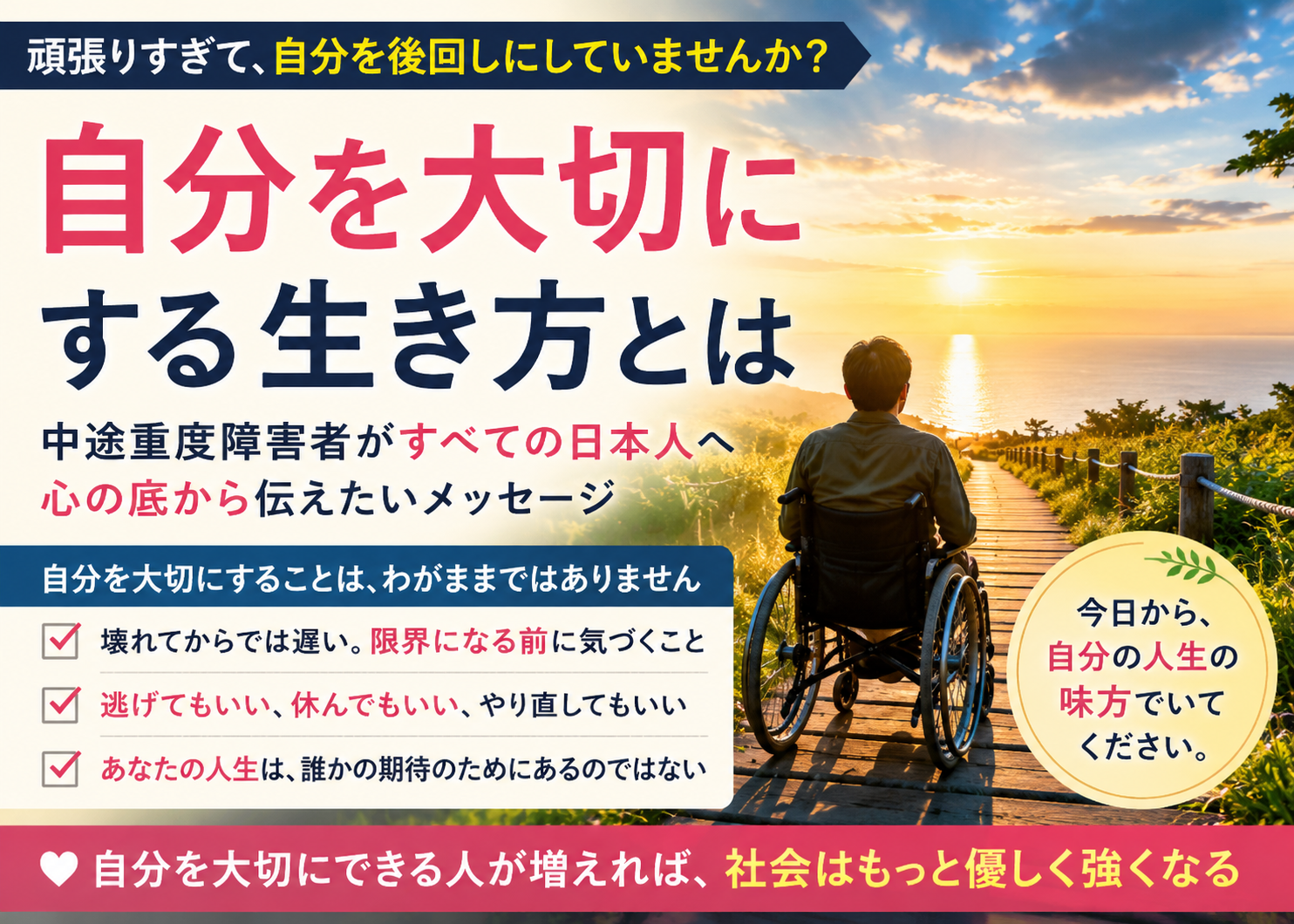
After becoming severely physically disabled mid-life, I found myself questioning the meaning of life and struggling to find a place in society.
What supported me was not pity or platitudes — it was the knowledge I had built over years, quietly learning about politics and religion.
In this article, I’ll share why those two topics, so often avoided, became my foundation to keep living with dignity.
Chapter 1 | Politics Is Our Daily Life
Politics Let Me Challenge the “It’s All Your Fault” Myth
After I became disabled, I was drowning in guilt and shame. “This is all my fault,” I told myself.
But political science taught me another truth:
Welfare systems, barrier-free infrastructure, employment support — these are not charity. They are social structures built by political choices.
That realization reminded me:
I am not a burden. I am a citizen with rights.
Policy Knowledge Gave Me Rational Calm
Dealing with bureaucratic paperwork and navigating support systems often made me frustrated.
But I remembered how policies are made — compromises, stakeholder influence, legislative intent.
Instead of becoming bitter, I asked: How can this be improved? What can I do as a citizen?
That shift in mindset gave me strength.
Living as a Minority Gave the Theory Real Meaning
In classrooms, I once learned how minority voices protect democracy.
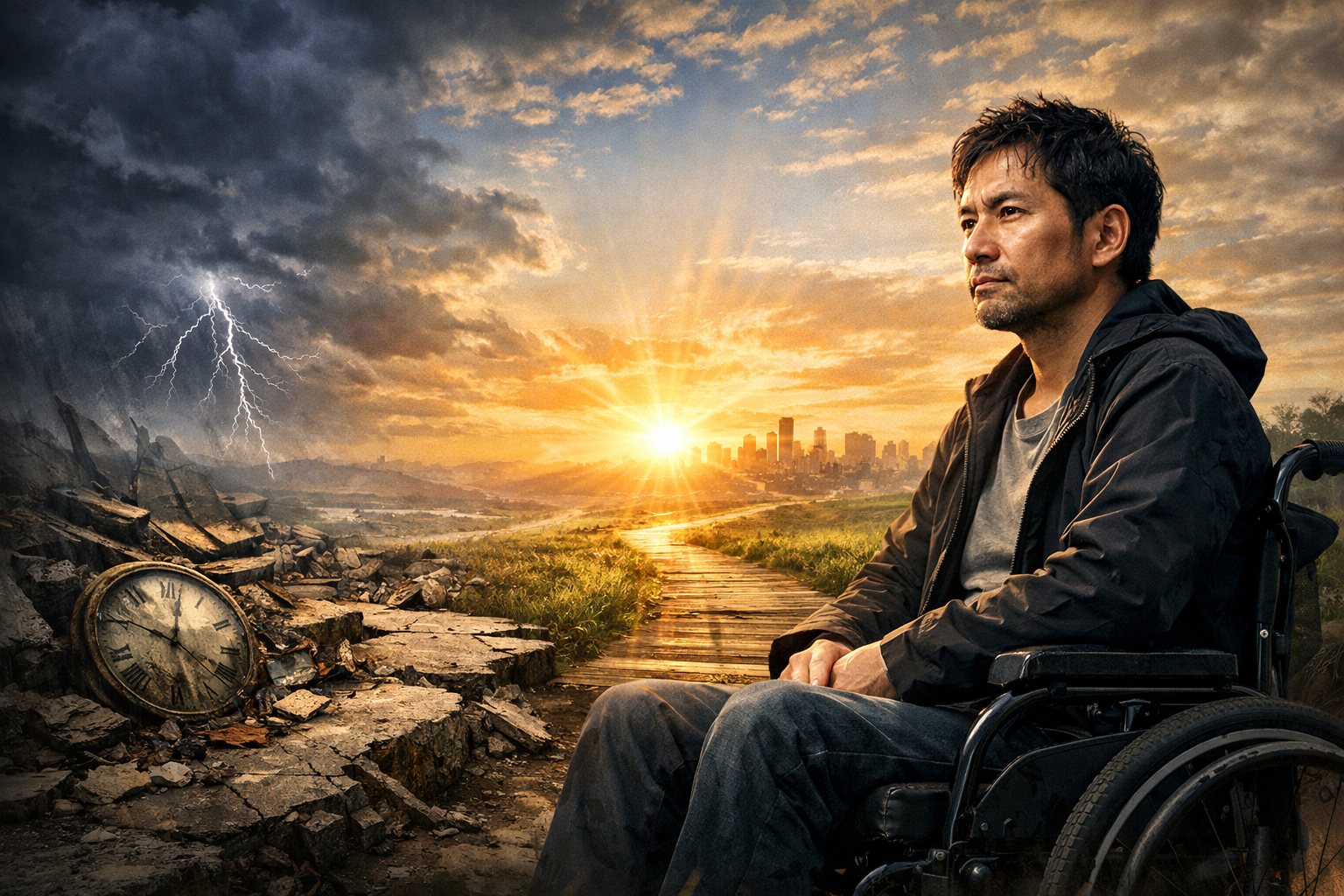
Now, using a wheelchair and facing invisible barriers, I truly understand what it means to be unheard.
If no one points out what’s broken, it will never be fixed.
Being disabled taught me the value of speaking up for those on the margins.
Chapter 2 | Religion as a Framework for Meaning
Shinto and Buddhism Became My Emotional Anchors
When I lost so much — mobility, independence, identity — I found myself in deep despair.
But the worldview of Shinto and Buddhism offered unexpected comfort.
Shinto taught me:
Impurity is not permanent. You can always be purified and renewed.
Buddhism reminded me:
All life is suffering — and yet, that truth can set us free.
These teachings didn’t erase my pain — they gave me a way to carry it with grace.
Religion Gave My Emotions a Home
There were days when I just needed to cry. But where?
Doctors treated my body. Systems processed my needs. But grief? Fear? Anger?
Shrines, prayer rituals, quiet temples — those became my emotional sanctuaries.
Religion doesn’t always give answers. It gives you a place to ask.
Chapter 3 | Shedding Light on What’s Rarely Said
Why Politics and Religion Are Avoided — and Why That’s a Loss
These two topics are labeled as dangerous or inappropriate.
But that’s because they touch our core values — our beliefs about life, death, fairness, and meaning.
Avoiding them may keep things polite, but it robs us of depth.
I believe we must reclaim these conversations — with care, and with empathy.
Why the Disabled Have a Right to Speak About Life
I’ve lived through the cracks of systems. I’ve faced the raw edge of despair.
And that gives me a voice — not of complaint, but of insight.
Politics is not cold. Religion is not outdated.
They are human tools — to live with others, and with ourselves.
Conclusion | Forbidden Knowledge Can Save Lives
I lost so much when I became disabled.
But I gained a deeper understanding of what truly matters:
Politics is not just voting. It shapes our daily lives. Religion is not superstition. It holds our deepest emotions.
We’ve been told not to talk about these things.
But maybe that’s exactly why we should.
Because in the dark corners of taboo, we may find the very light we need.












コメントを残す