Table of Contents
Introduction: Is Promoting Employment for People with Disabilities Really the Right Path?
Current Issues in Employment for People with Disabilities
2.1. Employment quotas: A numbers game
2.2. Poor job quality and limited career development
2.3. The social pressure of “disabled people should work”
The Risks of Promoting Employment for People with Disabilities
3.1. The forced belief that “work = virtue”
3.2. The suffering of those who are not suited for work
3.3. Companies using disability employment as a moral shield
Creating a Society Where People with Disabilities Can Truly Thrive
4.1. Expanding life choices beyond employment
4.2. Turning disability employment into a meaningful workforce strategy
Conclusion: If It’s “For People with Disabilities,” Then Listen to What They Really Want
1. Introduction: Is Promoting Employment for People with Disabilities Really the Right Path? <a id=”introduction”></a>
When you hear someone say, “I am against promoting employment for people with disabilities,” you might be shocked.
“Isn’t employment promotion a good thing for people with disabilities?”
“Why would anyone oppose a system designed to help them?”
However, as someone with a disability myself, I cannot ignore the deep structural issues within the current employment system.
✅ Is this system truly designed for the benefit of people with disabilities?
✅ Or is it forcing them into a predefined mold?
This article will explore the real problems with disability employment and propose a future where people with disabilities can genuinely thrive.
2. Current Issues in Employment for People with Disabilities <a id=”current-issues”></a>
2.1. Employment quotas: A numbers game
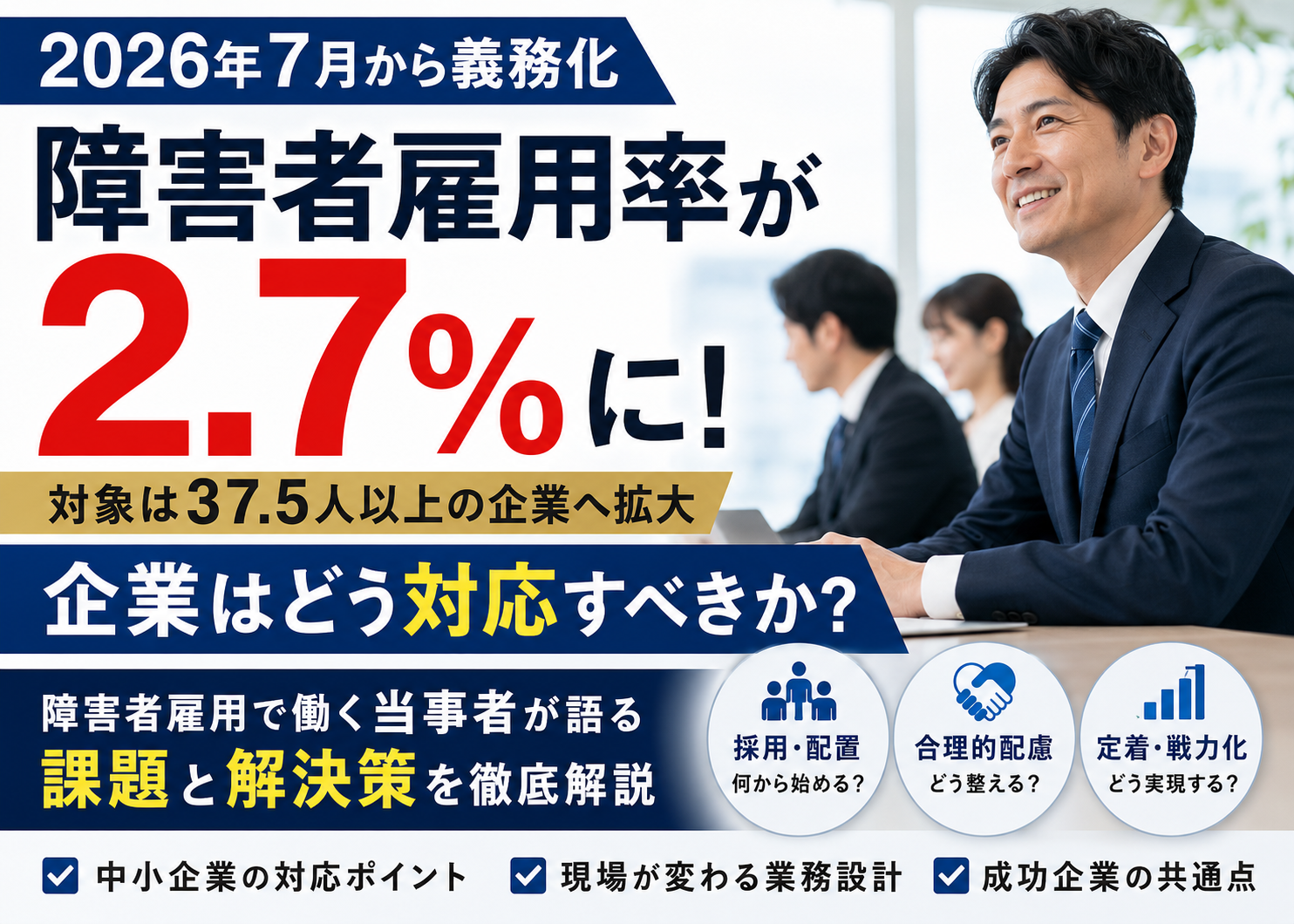
In Japan, the Act on Employment Promotion of Persons with Disabilities requires companies of a certain size to employ people with disabilities.
The current legal employment rate is 2.3%, and companies that fail to meet this requirement must pay a penalty fee.
However, for many businesses, this is merely an obligation—a checklist rather than a meaningful effort to integrate people with disabilities into the workforce.
🔹 Superficial hiring with little real engagement
🔹 Lack of opportunities for skill utilization
🔹 Companies using employment quotas as corporate social responsibility (CSR) badges
2.2. Poor job quality and limited career development
Even when people with disabilities are hired, their work is often limited to simple or auxiliary tasks.
Additionally, their salaries are usually at the minimum wage level, and opportunities for promotions or career advancement are scarce.
📌 Talents and professional skills often go underutilized
📌 Disability employment is often seen as charity rather than a valuable workforce contribution
2.3. The social pressure of “disabled people should work”
As disability employment becomes more mainstream, a new pressure emerges:
💬 “If some disabled people can work, then you should too.”
💬 “If you’re not working, it’s your own fault.”
This toxic mindset makes life even harder for those who are physically or mentally unable to work.
3. The Risks of Promoting Employment for People with Disabilities <a id=”risks”></a>
3.1. The forced belief that “work = virtue”
In Japanese society, work is often seen as a moral duty.
However, for many people with disabilities, working is not the best option.
✅ Physical and mental strain
✅ Workplace environments that do not accommodate their needs
✅ Long-term health deterioration due to forced employment
3.2. The suffering of those who are not suited for work
Not all disabilities are the same.
For some individuals, working itself can be detrimental to their health.
Yet, because society expects them to work, many force themselves into jobs that harm them.
3.3. Companies using disability employment as a moral shield
For many businesses, hiring disabled workers is simply a way to meet legal requirements and boost their corporate image.
Instead of offering meaningful employment, they hire just enough disabled workers to avoid penalties, without providing real career opportunities.
4. Creating a Society Where People with Disabilities Can Truly Thrive <a id=”future-society”></a>
4.1. Expanding life choices beyond employment
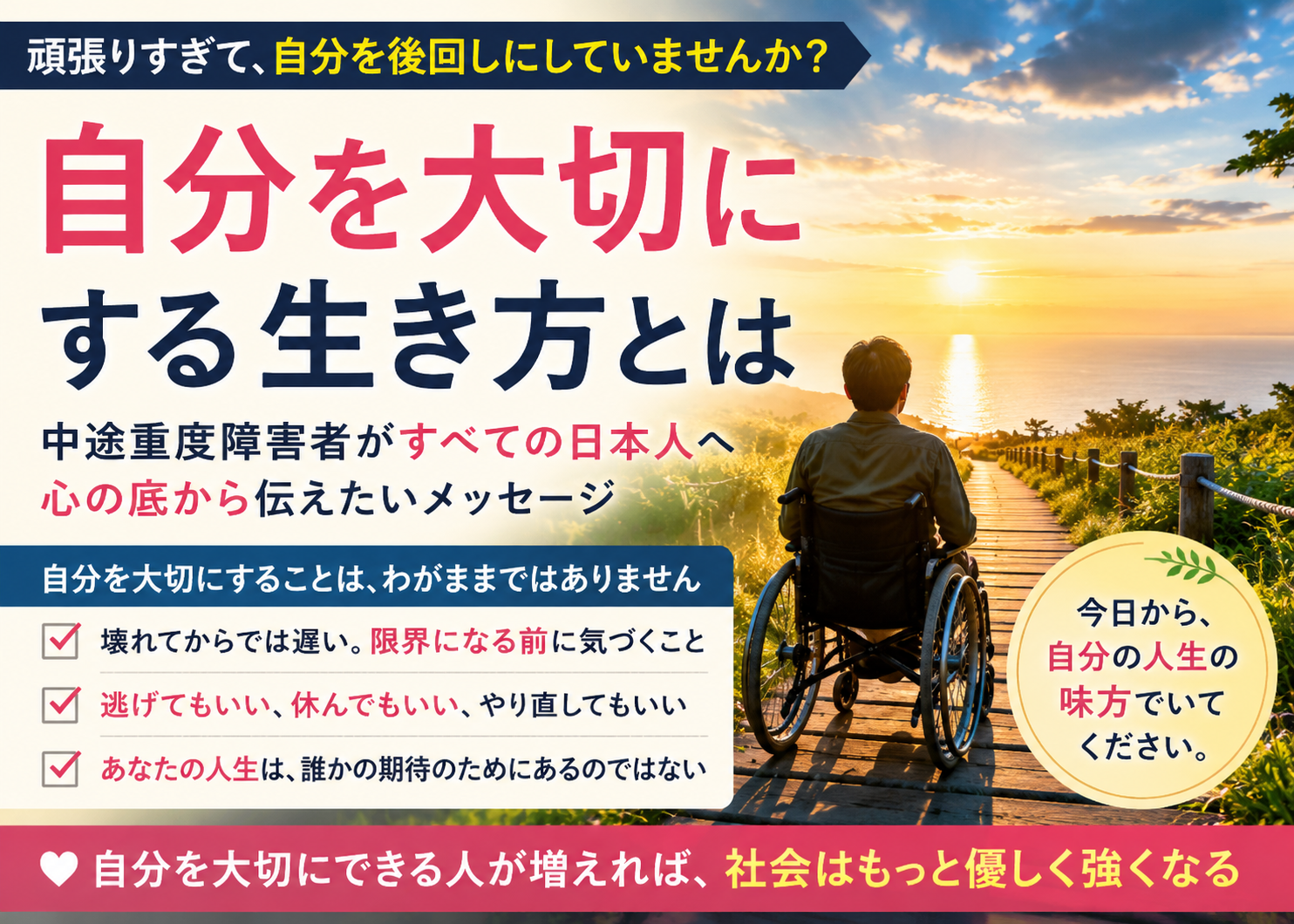
Rather than pushing employment as the only option, we should expand alternative ways for people with disabilities to live fulfilling lives.
🏡 Support for remote work and freelancing
📚 Encouragement for creative and entrepreneurial activities
💰 Improved welfare systems such as disability pensions and basic income
The goal should be to create a society where disabled individuals don’t have to work just to survive.
4.2. Turning disability employment into a meaningful workforce strategy
Disability employment should not be about meeting a quota but leveraging individual talents in the workforce.
✅ Placing disabled employees in roles that match their skills
✅ Providing career advancement opportunities
✅ Expanding work-from-home and flexible work arrangements
By shifting the focus from “charity employment” to “strategic employment,” businesses can truly benefit from the unique strengths of disabled workers.
5. Conclusion: If It’s “For People with Disabilities,” Then Listen to What They Really Want <a id=”conclusion”></a>
At first glance, promoting employment for people with disabilities seems like a good policy.
However, in reality, many disabled individuals find themselves trapped in low-quality jobs, forced into an expectation to work, and treated as statistical quotas rather than valued employees.
What we really need is:
✅ A society where people with disabilities have the freedom to choose how they live
✅ A shift from “hiring for compliance” to “hiring for contribution”
I hope this article sparks discussion and encourages more people to rethink what true inclusivity means.
If you agree with these ideas, please share this article.
Together, we can help create a better future for people with disabilities.
検索
詳細なリサーチ
ChatGPT の回答は必ずしも正しい

障害者雇用で「仕事を切り出す」だけでは足りない
――元課長・中途重度障害当事者が考える「人を活かす仕事の再設計」
障害者雇用で「仕事を切り出す」だけでは、本当の人材活用にはつながりません。健常者時代に課長を…
















コメントを残す