Living with Dignity | A deeply personal literary analysis and life philosophy from someone living with a severe acquired disability
Meta Description (within 155 characters)
Is an ordinary life really inferior? Through Ordinary World by Lu Yao, a severely disabled Japanese blogger explores the quiet strength of living with dignity.
Primary SEO Keywords (naturally integrated)
- Ordinary World Lu Yao meaning
- value of ordinary life
- living with disability blog
- life lessons from literature
- gap society reflections
- working and dignity
- reading and inner freedom
- surviving loneliness in modern Japan
- quiet pride in ordinary life
- emotional disability memoir
Table of Contents
- Introduction | Is Your Life “Ordinary”?
- Chapter 1 | What Does It Mean to Work?
- Chapter 2 | The Most Challenging Path: Ordinary Life
- Chapter 3 | When Effort Is Not Rewarded, What Remains?
- Chapter 4 | Love, Expressed Not by Words, But by How We Live
- Chapter 5 | Reading: A Door to the Invisible World
- Chapter 6 | What Gives Life Meaning for Someone Like Me
- Conclusion | The Bravery of Ordinary People
- References and Related Posts
Introduction | Is Your Life “Ordinary”?
This question quietly but deeply pierces the heart.
In our modern world—especially in Japan—we’re constantly told that we must be “special,” that only the extraordinary is valuable. Social media is flooded with dazzling stories of success. Being “ordinary” seems like something to be ashamed of.
But when I read Ordinary World by Lu Yao, I was struck speechless.
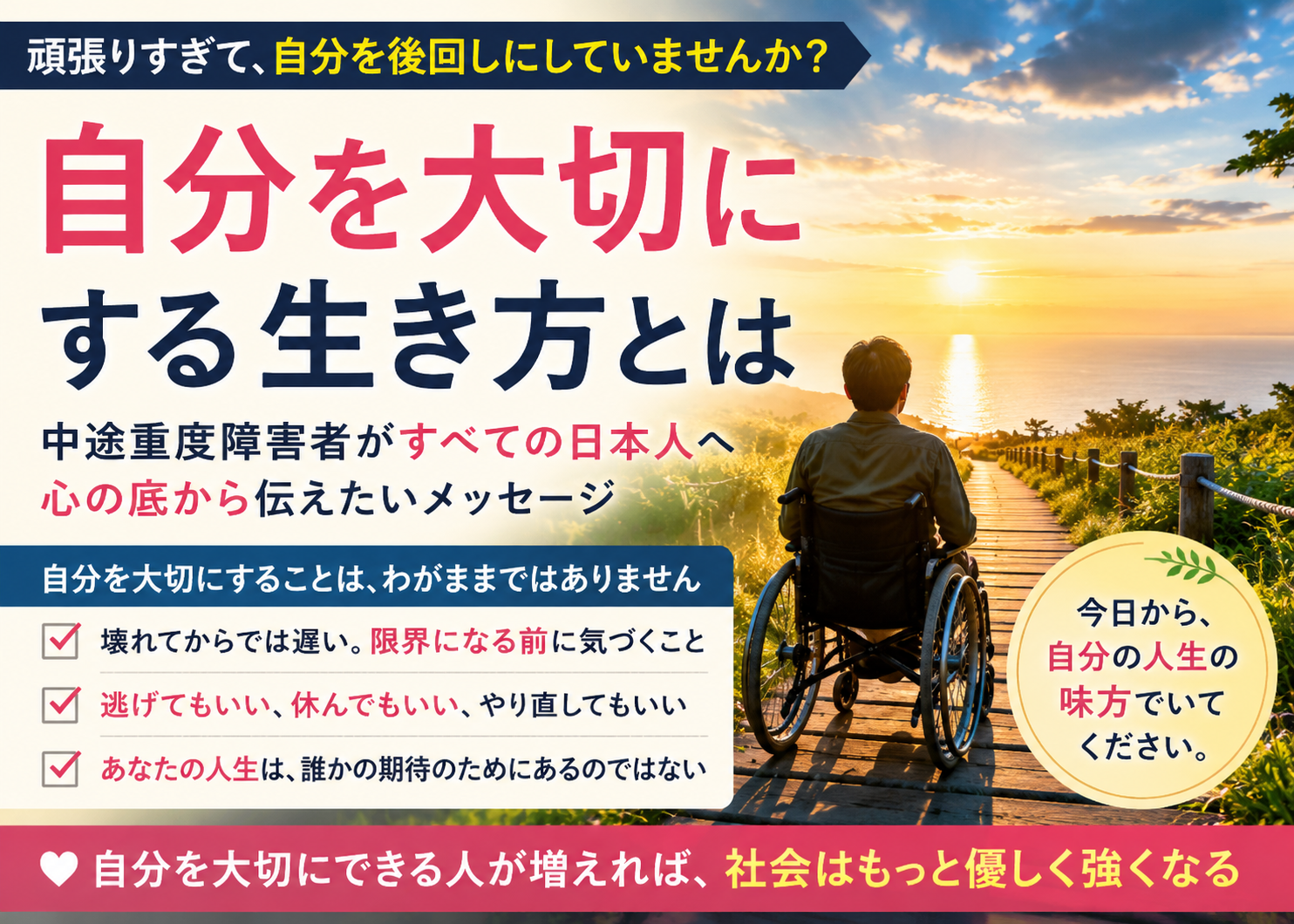
As someone who became severely disabled mid-career, lost my job, and was labeled “unproductive” by society, this novel was not just fiction—it mirrored my own experience of life.
Chapter 1 | What Does It Mean to Work?
The Dignity of Labor in Lu Yao’s World and My Own
Sun Shaoping, the protagonist, toils in coal mines, endures class discrimination, and yet never lets go of books or ideals.
He reminds us: To work is not merely to earn—it is to confirm one’s existence.
After becoming disabled, I questioned my worth because I couldn’t “work” the way society expected. But then I realized: real dignity lies not in being used, but in choosing to live meaningfully despite limitations.
Chapter 2 | The Most Challenging Path: Ordinary Life
The Quiet Bravery of Living Without Spotlight
In our current age, extraordinary lives get all the attention. But Ordinary World goes against this current—it tells the story of people who live humbly, endure quietly, and love deeply without fanfare.
For me, that is what true bravery looks like.
To continue living as yourself, with no applause, is an act of everyday heroism.
This is why I’ve refused to become a “representative disabled figure” or be used as inspiration. I just want to live a life of honesty and quiet pride.
Chapter 3 | When Effort Is Not Rewarded, What Remains?
The Unfairness of Reality and the Persistence of Self-Respect
Lu Yao depicts many moments where effort fails to yield success. That’s reality—not everyone gets what they deserve.
I know this well. Disability often means you try ten times harder only to be seen as less.
But I came to believe: even if effort brings no results, it shapes who you are.
The effort is not meaningless—it creates identity. That lesson changed my life.
Chapter 4 | Love, Expressed Not by Words, But by How We Live
Quiet Love Between Brothers, Parents, and Lovers
In the novel, love is not dramatic. It exists in silence, through sacrifices and longings unspoken.
This deeply resonated with me.
My relationship with my wife also changed after disability. Support became interdependence. There were moments of conflict. But in the end, we came to understand:
“Love is not what you say. It’s how you continue to live beside someone.”
This silent strength is missing from many modern relationships.
Chapter 5 | Reading: A Door to the Invisible World
When the Body Can’t Move, the Mind Still Can
Even as a laborer, Sun Shaoping read books. That image pierced me.
Since my disability, reading has become my way of “traveling”—a means of staying free even in a restricted body.
Through Lu Yao’s prose, I reconnected with ancient Japanese classics like The Pillow Book and Hōjōki. They remind me that what is unseen can still be profoundly real.
Books gave me a second way to live.
Chapter 6 | What Gives Life Meaning for Someone Like Me
Finding Personal Worth Beyond Social Definitions
After becoming disabled, I asked, “Does my life have value?”
Society often answered with labels: “recipient,” “symbol,” “inspiration.” But none of these felt like me.
What Ordinary World taught me was this:
You don’t need permission to live meaningfully.
You don’t need to prove your value to anyone.
That insight continues to guide my days.
Conclusion | The Bravery of Ordinary People
Ordinary World doesn’t end with glory. Its characters don’t become rich or famous. They simply go on, choosing to live each day with quiet resolve.
And that, to me, is strength.
Not becoming someone special,
but remaining true to yourself through ordinary days—
that’s what makes a life beautiful.
I hope that after reading this, you’ll look at your life not with disappointment, but with new pride.
To Those Who Read to the End
If this story resonated with you, please share it with someone who needs to hear it.
And more importantly, take a moment today to tell yourself:
“I am living a life that matters—because I wake up and live it, every single day.”















コメントを残す