SEO Meta Description (within 155 characters)
Why is “Stork-Friendly Rice” grown pesticide-free in Tajima, Japan? A disabled blogger explores its ecological meaning, ethics, and future of rice farming.
Primary SEO Keywords (Naturally Included)
pesticide-free rice
Stork-Friendly Rice
Tajima organic rice
pesticide vs no pesticide
benefits of pesticide-free farming
rice and biodiversity
impact of pesticides on nature
sustainable rice farming
rice cultivation and life
inclusive farming Japan
Introduction | The Era of Asking “Meaning,” Not Just “Price,” of Rice
Rice prices are rising.
Pesticides are controversial.
Is pesticide-free really safe?
We hear these phrases often.
We eat rice every day. But how many of us actually know where our rice comes from, who grows it, and what kind of natural environment nurtured it?
In Tajima, a rural region in Hyogo Prefecture, a unique initiative is underway. Known as “Stork-Friendly Rice,” this pesticide-free farming method isn’t just about health—it’s about bringing life back to the land.
In this blog, I explore what this method means, how it compares with conventional farming using pesticides, and how it invites us to rethink our relationship with food, nature, and community.
Chapter 1 | What Is “Stork-Friendly Rice”?
1.1 The Last Wild Storks and the Land of Tajima
Wild storks once lived across Japan. Due to environmental degradation, they disappeared—until Tajima became their last refuge.
Since the 1990s, Tajima has led Japan’s artificial breeding and reintroduction of storks into the wild.
But there was a problem. Storks couldn’t survive in the wild because they had nothing to eat.
1.2 Their Food Comes from the Rice Fields
Frogs, loaches, insects, small fish—all of them had vanished from the pesticide-drenched rice paddies.
Modern agriculture had turned rice fields into sterile, chemical-dependent plots designed solely for yield—not for life.
1.3 Reimagining Rice Fields as Ecosystems
That’s how “Stork-Friendly Farming” was born.
- Completely pesticide-free and chemical fertilizer-free
- Winter flooding to provide year-round aquatic habitat
- Biodiversity-focused paddy design (e.g., mini wetlands and escape routes for wildlife)
- Waterways accessible to creatures like frogs and fish
This approach has transformed rice paddies into ecosystems where life thrives again—and where storks, once gone, have returned to feed and nest.
Chapter 2 | Pesticide-Free vs. Conventional Farming: A Deeper Look
2.1 Is Pesticide-Free Always Better?
“Pesticide-free rice is safer, right?”
Not always. Pesticides have historically helped farmers prevent crop failure from disease and pests, contributing to food stability, especially after World War II.
Without them, many countries would face serious food shortages.
2.2 Why Choose Pesticide-Free Anyway?
Despite these facts, Tajima’s farmers choose to go pesticide-free. Why?
- To preserve natural ecosystems
- To protect biodiversity
- To create rice they can proudly share with future generations
- To treat rice fields as sanctuaries of life
This is not just a method—it’s a philosophical commitment to sustainability over profit.
Chapter 3 | What “Stork-Friendly Rice” Asks of Us
3.1 Question 1: Do We Know What We’re Eating?
We eat rice daily. But how often do we ask where it came from and how it was grown?
“Stork-Friendly Rice” is fully traceable: you can find out who grew it, in which field, and what creatures live there.
Eating becomes a shared act of living.
3.2 Question 2: Is Agriculture Only About Producing Food?
This farming method shows us that rice cultivation is not just about food—it’s about nurturing ecosystems and cultural heritage.
3.3 Question 3: What Does “Safety” Really Mean?
Pesticide-free may mean no chemical residue, but true safety includes:
- Transparency: Who, where, and how the food is grown
- Ethics: Whether the process respects life and nature
This is the new standard of “safe food” in the 21st century.
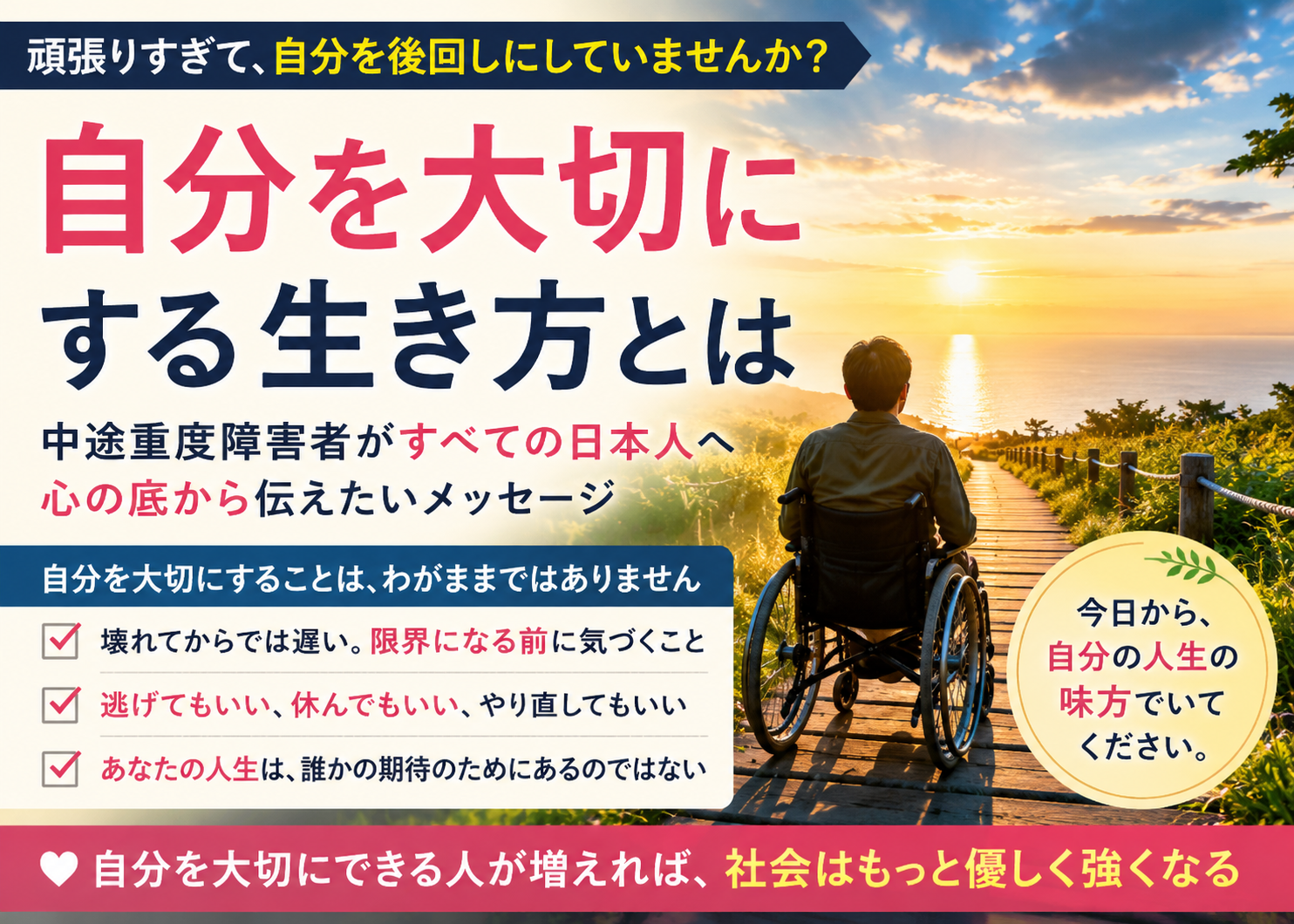
Chapter 4 | What a Severely Disabled Blogger Sees in Pesticide-Free Farming
As someone living with a severe physical disability, I can’t walk through rice fields or till the soil.
But I can still witness beauty and meaning.
Fields where frogs leap, storks soar, and children laugh in the mud—these are not just farm scenes. They are social mirrors reflecting a world where life is respected.
“Stork-Friendly Rice” lets me take part in that world—not just as a consumer, but as someone connected to a broader cycle of life.
Chapter 5 | Inclusive Farming and the Future
5.1 A New Era: Disability-Inclusive Agriculture
Japan is beginning to embrace “inclusive agriculture,” where disabled people can participate in farming through tech-based support.
Drones, AI, remote water management, and GPS-guided tractors now allow people of diverse abilities to take part in food production.
5.2 Bridging the Gap Between Farmers and Consumers
With direct-to-consumer models, crowdfunding, and online platforms, the distance between producer and eater is shrinking.
Buying becomes supporting.
Eating becomes caring.
This is what “Stork-Friendly Rice” represents—a more connected and compassionate food culture.
Chapter 6 | One Grain of Rice Can Change the World
Pesticide-free means protecting life.
Pesticides were a tool for human survival.
Rice is the taste of prayer.
This initiative from Tajima is not just about rice. It’s about asking how we want to live.
That one bowl of rice you eat—
It may be feeding more than just your body.
It may be helping a stork fly in the sky.
Final Thoughts | How You Can Take Part, Today
- Try “Stork-Friendly Rice” (available online and via donation programs)
- Take your kids to a rice planting or harvesting event
- Talk about food safety and ethics at your dinner table
- Follow farmer accounts and support them online
And above all, say “thank you” from your heart when you eat.
If this story resonated with you, please share it.
Let’s spread this message:
“Eating is an act of caring for life.”
#StorkFriendlyRice #PesticideFree #RespectLifeThroughFood
Would you like this version prepared as a WordPress-ready HTML draft or formatted for Medium/Substack? Let me know—I’d be happy to help.
4o
ツール
ChatGPT の回答は必ずしも正しいとは限りません。重要な情報は確認す














コメントを残す