SEO Meta Description (within 155 characters)
A mid-life disabled writer finds healing in Japan’s ancient Shinto beliefs and Kannabe’s Kunato faith. A soul-stirring story of nature, spirit, and rebirth.
Target SEO Keywords (integrated naturally throughout headings and text)
- Ancient Shinto healing
- Kunato god faith
- Severe acquired disability recovery
- Self-care philosophy
- Kotodama and sound in Japanese
- Tajima Kannabe nature
Table of Contents (H2 Structure)
- H2 | Introduction | What I Discovered After Studying World Religions and Classics
- H2 | Chapter 1 | The Kunato God and the Sacred Earth of Kannabe
- H2 | Chapter 2 | The Philosophy of Ancient Shinto—A World Where Everyone Has Divinity
- H2 | Chapter 3 | Purification and Misogi—Cleansing the Soul by Valuing Yourself
- H2 | Chapter 4 | Kotodama and the Power of Sound—The Spiritual Echo of the Japanese Language
- H2 | Chapter 5 | Living with Nature—The Ancient Shinto Spirit in Daily Life in Tajima
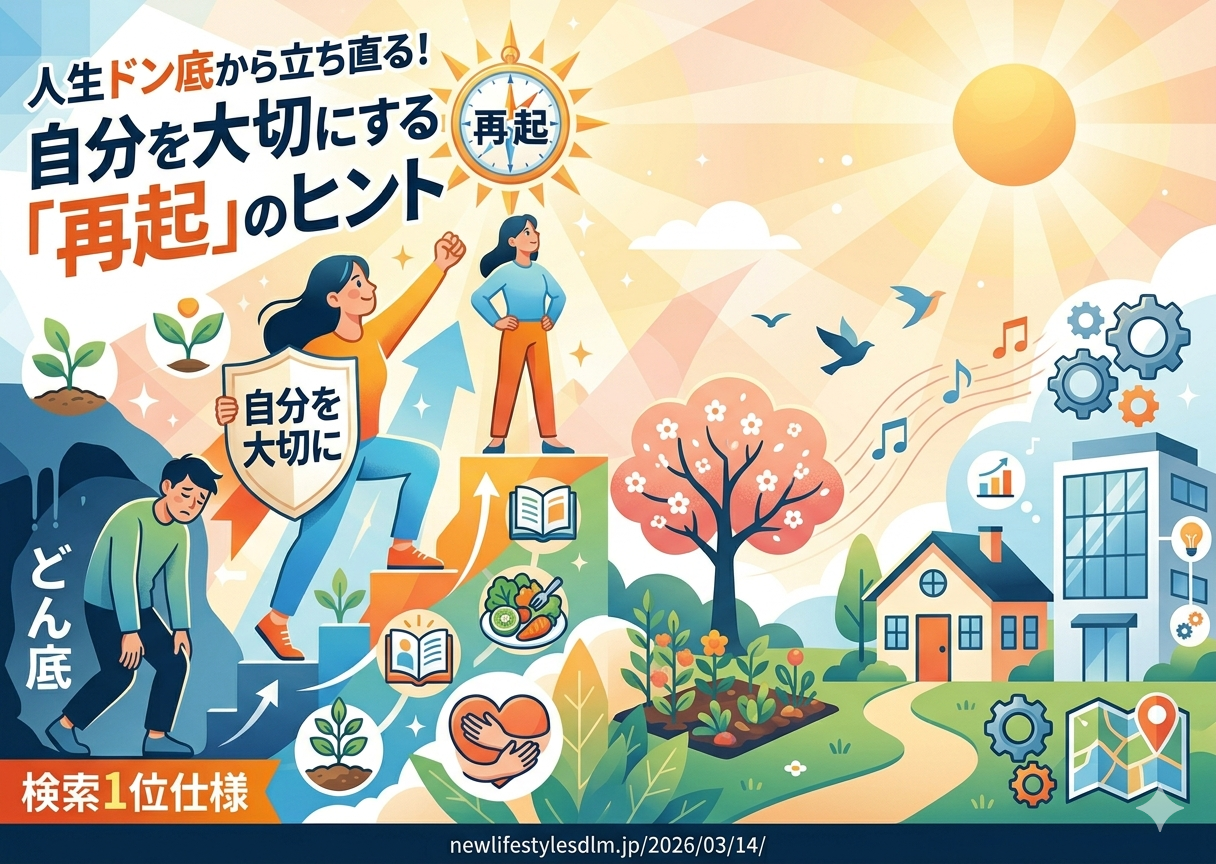
- H2 | Chapter 6 | The Realization that Valuing Myself Saved My Life
- H2 | Conclusion | When the Echoes of Shinto Begin to Heal the World Again
H2 | Introduction | What I Discovered After Studying World Religions and Classics
“What philosophy can truly save a human being?”
After becoming severely disabled in mid-life, I faced this question in the depths of despair.
I studied Christianity, Buddhism, Islam—major world religions and classical texts—in search of answers about the soul and the meaning of suffering. But each focused on salvation from the outside, failing to reach the pain I carried in the here and now.
Then, in the quiet mountains of Tajima, Hyogo Prefecture, I encountered something different: Ancient Shinto, and the faith in the god Kunato deeply rooted in Kannabe.
Shinto has no scripture or rigid doctrine. Instead, it offers a way of living that harmonizes with nature. And that harmony—that resonance—I realized, is what heals a deeply wounded soul.
In this blog, I’ll share my reflections as a person with a disability, exploring the worldview of Ancient Shinto, the power of Kunato worship, and how the belief in “valuing yourself” becomes a path to life.
H2 | Chapter 1 | The Kunato God and the Sacred Earth of Kannabe
I live in the Kannabe Highlands, a serene countryside nestled beneath Mount Kannabe, a dormant volcano that once erupted with force.
This region preserves stories of the Kunato God (Kunato-no-kami), a guardian deity who protects boundaries. Known also as a roadside god, Kunato stands at village entrances, crossroads, and mountain passes.
His role is clear: to block evil or misfortune from entering the community. He stands at the liminal point between inside and outside, guarding the threshold.
As someone with a disability—living on society’s metaphorical edge—I found a deep affinity with this god of the boundary.
And Mount Kannabe itself, with its vast crater wide open to the sky, felt like a sacred vessel, a divine bowl.
Nature is not separate from the divine. It is the divine. That’s what Ancient Shinto taught me—quietly, gently, through everyday life.
H2 | Chapter 2 | The Philosophy of Ancient Shinto—A World Where Everyone Has Divinity
The essence of Ancient Shinto is captured in the phrase “Yaoyorozu no Kami”, or “Eight Million Gods.”
Mountains, rivers, wind, stones—and people. Everything is infused with the sacred.
Unlike many religions that place God above humanity, Shinto enshrines the entire world as sacred.
What moved me most was Shinto’s belief that the soul is originally pure and noble.
In society, my disabled body may be seen as flawed. But Ancient Shinto tells a different story: regardless of form, all souls are equally beautiful.
Japanese mythology includes gods like Sukunahikona-no-mikoto, a tiny god of wisdom and medicine, and Kuebiko, a physically disabled scarecrow god of vast knowledge.
These stories gave me a new perspective: disability is not inferiority—it is individuality.
H2 | Chapter 3 | Purification and Misogi—Cleansing the Soul by Valuing Yourself
One of the core practices in Ancient Shinto is harae (purification) and misogi (ritual cleansing).
Sin and impurity are seen as external accumulations, not inherent flaws. That’s why it’s vital to regularly purify and care for the soul.
This resonates with modern self-care. Cleaning, bathing, using kind words—all become rituals of self-respect.
For me, bowing to my household altar each morning and tidying my surroundings are acts of spiritual rehabilitation.
Even if no one else notices, I purify and restore myself, quietly.
H2 | Chapter 4 | Kotodama and the Power of Sound—The Spiritual Echo of the Japanese Language
In Ancient Shinto, it is believed that words carry spirit—this is kotodama.
Likewise, sound itself is sacred. The ringing of bells at shrines, the clapping of hands, the rhythm of drums—all are tools of purification and mental alignment.
I once lost my ability to speak due to a brain-related disability.
That’s why I now deeply understand the power of making sound, of vocal resonance.
Reciting norito (prayers), chanting Japanese poetry—the rhythm and beauty of the language go beyond meaning. They offer spiritual calm.
Even today, I repeat simple phrases aloud to strengthen myself. Like a charm, they carry me through.
H2 | Chapter 5 | Living with Nature—The Ancient Shinto Spirit in Daily Life in Tajima
The seasons in Kannabe are vivid and dramatic.
Winter brings silent snow, spring bursts with greenery, summer roars with thunder, and autumn waves golden rice fields in the wind.
Being immersed in this nature, I’ve come to see even pain as part of a greater cycle.
Local customs and festivals are deeply intertwined with Ancient Shinto. For example, the Kirin Shishimai (Kirin Lion Dance) is a traditional ritual for bountiful harvests, where villagers welcome the gods together.
It reflects the enduring belief that people live with gods and pray with nature.
H2 | Chapter 6 | The Realization that Valuing Myself Saved My Life
Despite becoming severely disabled, I was able to move forward again thanks to a simple truth from Ancient Shinto:
“Purify yourself. Trust yourself.”
Suffering is not defilement. Weakness is not a sin. You are already born with a pure soul.
This worldview gave me deep solace.
To those worn down by society’s pace and pressure, blaming themselves constantly—I want to share this way of thinking.
H2 | Conclusion | When the Echoes of Shinto Begin to Heal the World Again
Ancient Shinto remains a living philosophy.
It has no strict doctrines or forceful evangelism, yet its quiet echoes still reach the human soul.
Nothing special is needed. Offer thanks in the morning. Use kind words. Respect nature. Care for yourself.
That alone can make life a little easier.
Here in Tajima, I have come to deeply understand that truth.
The echoes of Ancient Shinto still resound within me.















コメントを残す