SEO Meta Description (Under 155 Characters)
Why can’t Yabu City create new industries? A disabled writer explores Tajima’s overreliance on agriculture and the 90% budget rigidity blocking innovation.
Table of Contents
- Introduction | Why Can’t This Town Move Forward?
- Chapter 1 | Tajima’s Natural Beauty and Agricultural Dependency
- Chapter 2 | Understanding Yabu City’s 90% Fiscal Rigidity
- Chapter 3 | Structural Obstacles to New Industry in Rural Japan
- Chapter 4 | Local-Led Solutions: Small-Scale and Sustainable Innovation
- Chapter 5 | A Disabled Perspective: What We Learn Outside the System
- Chapter 6 | Trust and Systems Matter More Than Money
- Conclusion | From “Why We Can’t” to “How We Can”
Introduction | Why Can’t This Town Move Forward?
Tajima is breathtaking. The rice fields, mountains, and rivers form a picture-perfect Japanese countryside. But behind the beauty lies a sense of stagnation.
People say things like:
“There are no jobs.”
“Young people are leaving.”
“Farming alone won’t sustain us anymore.”
Then I discovered this:
Yabu City’s current expenditure ratio exceeds 90%.
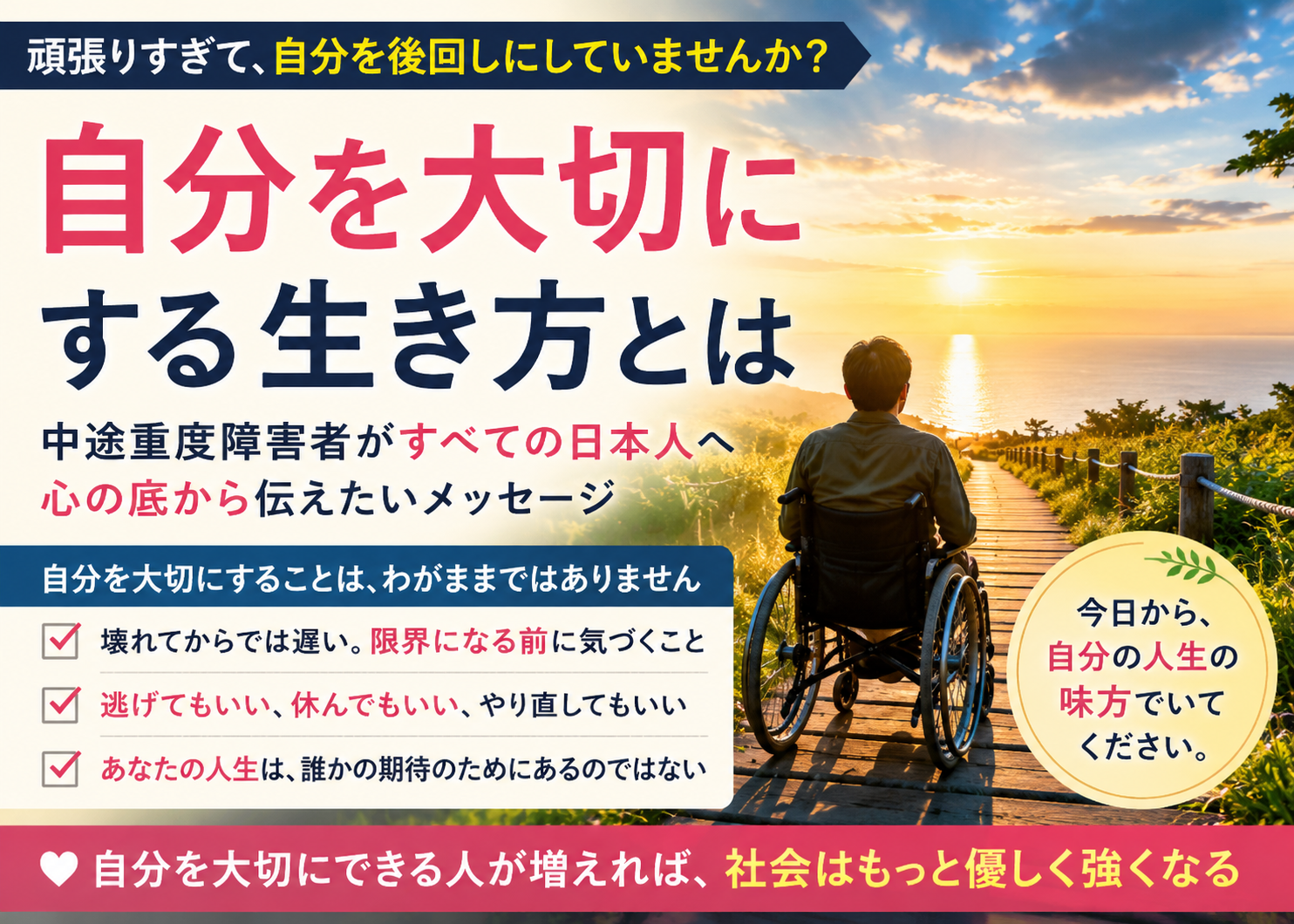
It felt eerily familiar. As someone who became severely disabled mid-life, I know what it means to want to move—but not have the strength or support to do so.
This blog is about that same frustration. It’s about how a city can be trying its best and still feel stuck—and how even in that state, we can start imagining something better.
Chapter 1 | Tajima’s Natural Beauty and Agricultural Dependency
1.1 Agriculture as Economic Backbone
Tajima has long been known for its rice, water, and cattle. “Kounotori Rice” and Tajima Beef, the origin of Japan’s famous Kobe Beef, are world-class. The land is generous, and so are the farmers.
But the average farmer is now over 65. Many fields are abandoned. Machinery is aging. There are fewer successors. Agriculture is no longer sustainable as a sole economic base.
1.2 The Danger of Relying on One Industry
When a town depends on one industry, it becomes vulnerable.
If farming weakens, so does everything else—retail, logistics, even education. Without diversification, economic collapse becomes a ticking clock.
Chapter 2 | Understanding Yabu City’s 90% Fiscal Rigidity
2.1 What Is the “Current Expenditure Ratio”?
This ratio refers to the proportion of a local government’s budget locked into fixed expenses: personnel costs, welfare, and debt repayments.
If 90% is already spent before a new fiscal year even starts, only 10% remains for anything proactive—like investment, innovation, or infrastructure.
2.2 What Yabu’s Numbers Mean
Yabu’s budget structure looks like this:
- Declining tax revenue
- Increasing welfare costs due to aging
- Heavy debt from past public works
- Rigid personnel costs
This means Yabu cannot afford to dream. It can barely maintain what already exists.
Chapter 3 | Structural Obstacles to New Industry in Rural Japan
3.1 Corporate Attraction Is Not a Magic Wand
We often hear, “Just attract new companies!” But businesses prefer cities with infrastructure, talent, and markets. Rural areas must invest first to attract, but with 90% of their funds tied up, they simply can’t.
3.2 Why Rural Economies Struggle
- Young people have left
- Local markets are small
- Entrepreneur support is minimal
- Risk capital is absent
This isn’t laziness or inefficiency. It’s structural exclusion in a capital-driven system.
Chapter 4 | Local-Led Solutions: Small-Scale and Sustainable Innovation
4.1 “Endogenous Development” from Within
Rather than importing solutions, rural areas should leverage what they already have. Examples include:
- Turning local crops into processed goods and selling them online
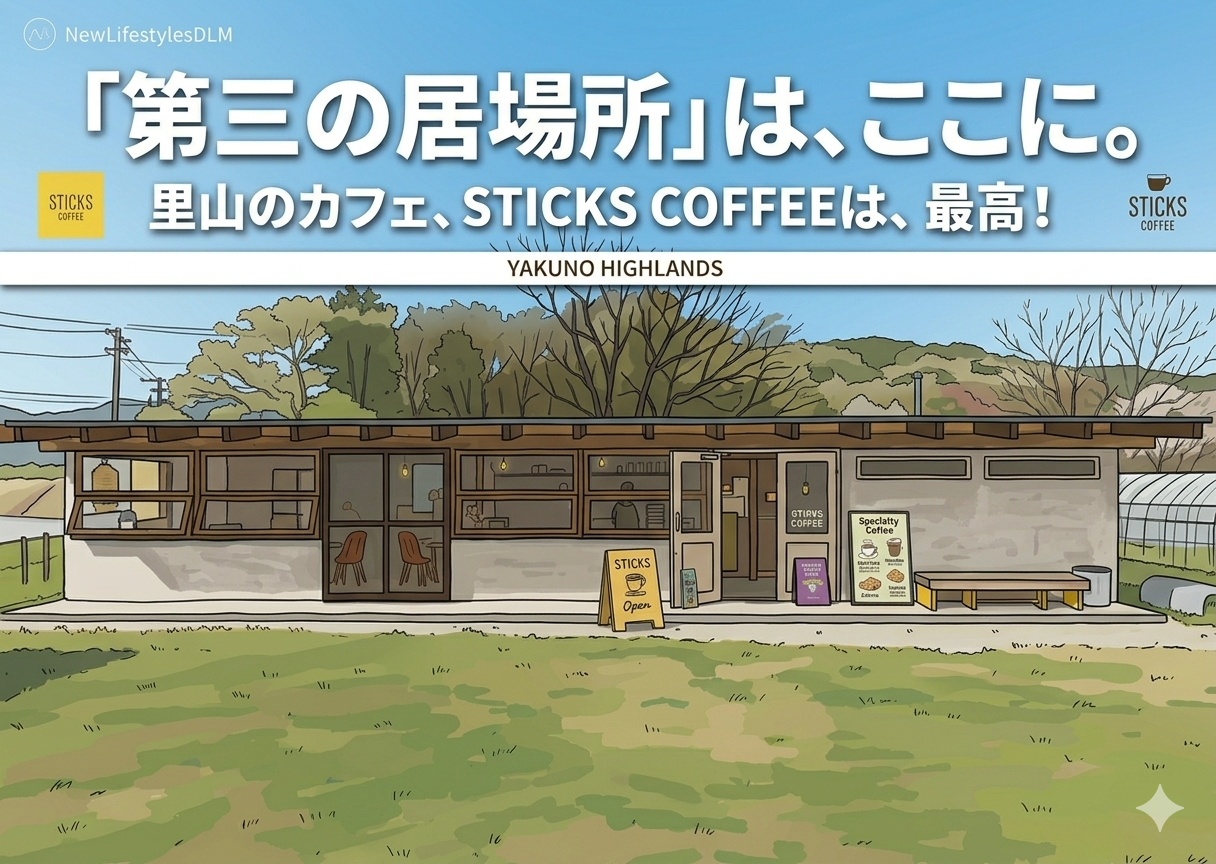
- Renovating vacant houses into cafés or workspaces
- Starting community-run websites and tourism media
These are small, repeatable, and empowering.
4.2 Digital Business as a Lifeline
The internet removes geographical limits. With the right digital infrastructure, rural areas can nurture:
- Online stores
- Remote design and coding work
- Translation and global tourism promotion
- Digital literacy education
This isn’t theory—it’s already working in parts of Japan.
Chapter 5 | A Disabled Perspective: What We Learn Outside the System
As a disabled person, I’ve often lived outside “the system.”
There were times I was told I had no value. That I should give up.
But I learned something: When you can’t rely on systems, you start creating your own.
Yabu is facing the same reality.
It can’t rely on national subsidies forever.
It must learn to design value from its constraints.
Chapter 6 | Trust and Systems Matter More Than Money
6.1 Building Networks of People, Not Just Funds
What if we stopped looking for big money, and instead built networks of trust?
- Create community alliances with high school and university students
- Empower local digital creators
- Use social media to connect residents and share local challenges
6.2 The Power of Micro Success
Not everything needs to be a “game-changer.” We can stack small wins:
- One product that earns ¥50,000 per month
- One young family that moves into a renovated house
- One disabled person who builds a business online
Hope is cumulative.
Conclusion | From “Why We Can’t” to “How We Can”
Yabu’s 90% fiscal constraint is real—and it’s terrifying.
But it’s also a wake-up call.
We can’t wait for someone else to fix rural Japan.
We can’t afford to blame people or lack of funds.
Instead, we must ask:
What can we do with what we have?
Who can we bring in, even if they don’t fit the usual mold?
I believe in that question—because I’ve lived it.
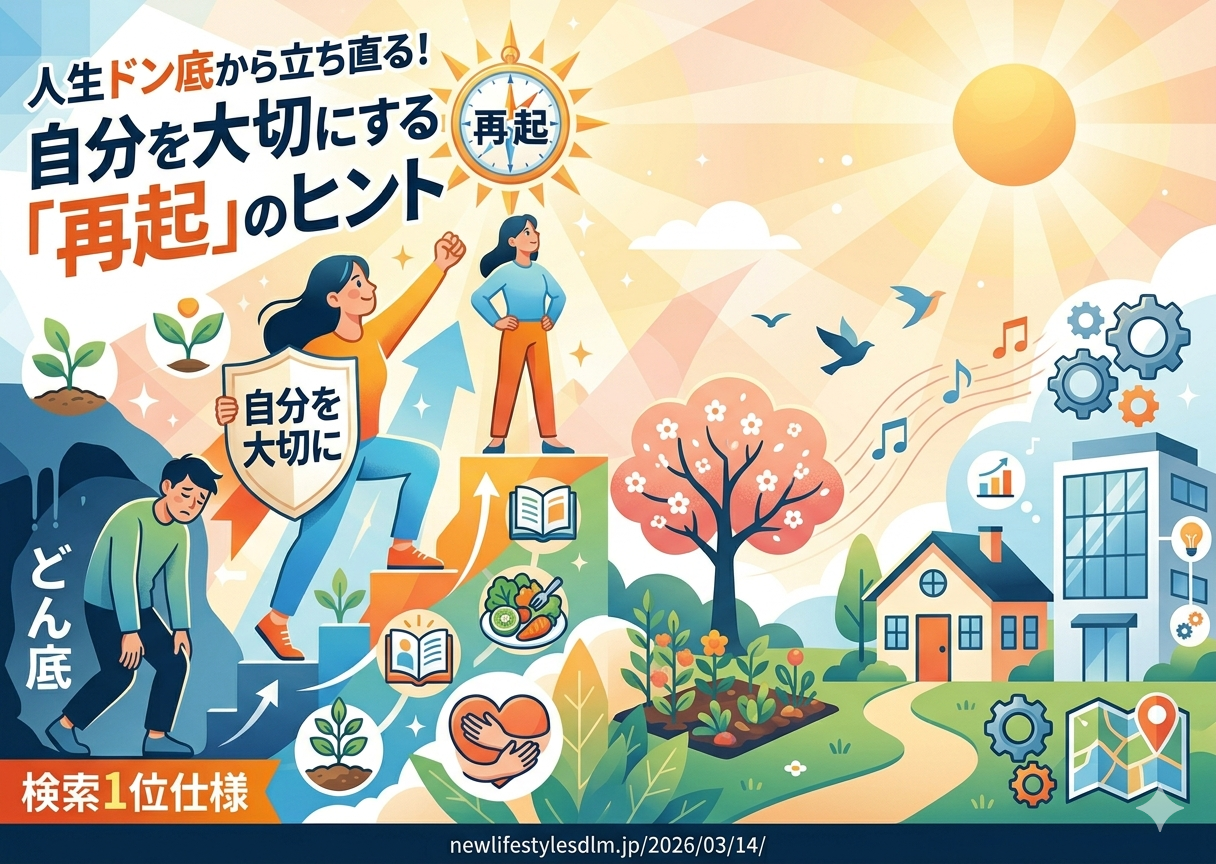
As a disabled person and as a rural resident, I know that hope isn’t given.
It’s made.













コメントを残す