Table of Contents
Introduction: What Are the Real Barriers?
The “Barrier of Kindness”
The Invisible Barrier of a “Self-Responsibility Society”
And Yet, Japan Is a Wonderful Country
A Deeply Rooted Culture of Consideration
Japan’s Support Systems for People with Disabilities Are Improving
A Safe and Clean Country
What Japanese Society Can Do to Change
Conclusion: Japan Can Become Even Greater
Introduction: What Are the Real Barriers?
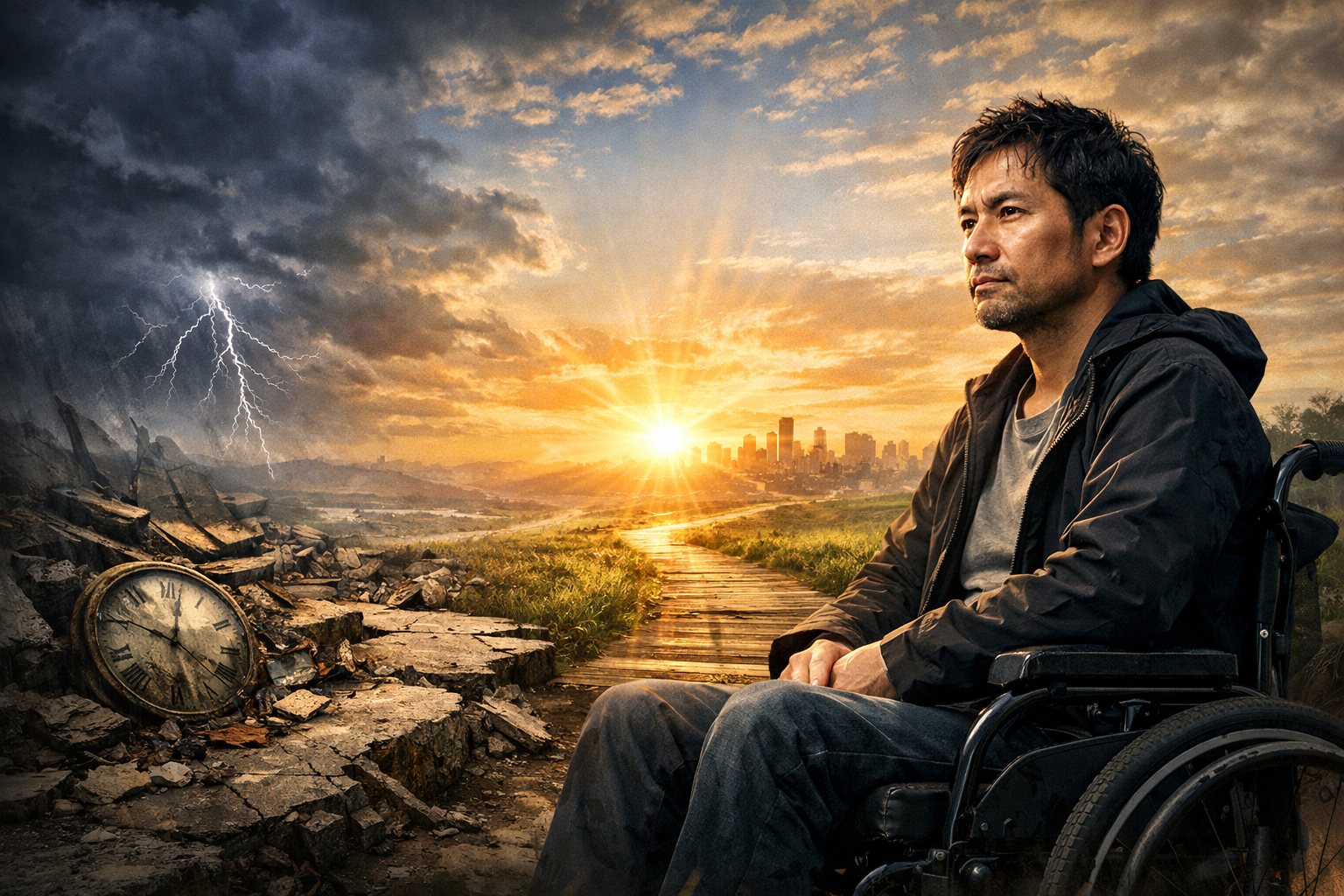
As someone who lives with a severe disability, I often hear the term “barrier-free.”
Many people think of “ramps,” “elevators,” and “wheelchair-accessible buildings” when they hear this term.
However, what truly makes life difficult for people with disabilities is not physical barriers but “barriers in people’s minds.”
When people say, “We installed a ramp for wheelchair users” or “We built accessible restrooms,” it certainly signifies progress. However, the real challenge is changing societal attitudes so that people with disabilities can seamlessly integrate into society.
This article will explore how these “mental barriers” distort the relationship between Japanese society and the world and discuss ways we can work toward change.
The “Barrier of Kindness”
Japan is known for its “hospitality culture” (omotenashi).
While this culture is admired by tourists, it does not always benefit people with disabilities.
The “Excessive Consideration” That Many Disabled People Face
At a restaurant, staff overly worry and ask, “Are you okay? Do you need help?”
When looking for a job, people with disabilities often get rejected with phrases like, “It might be difficult for us to accommodate you.”
When trying to participate in an event, others assume incapability and say, “It might be too hard for you. Maybe you shouldn’t push yourself.”
While these actions seem kind on the surface, they are actually “unconscious barriers” that limit the opportunities for people with disabilities.
Solution: Expand Choices Instead of Assuming Limitations
Don’t decide whether a person can or cannot do something on their behalf—let them decide for themselves.
Provide necessary accommodations without excessive worry or avoidance of interaction.
The Invisible Barrier of a “Self-Responsibility Society”
In Japan, the concept of “self-responsibility” is deeply ingrained.
Many people believe in statements like:
“If you work hard, you will succeed.”
“If you can’t do something, it’s your own fault.”
“You should adapt to society, not the other way around.”
The Unfair Burden on People with Disabilities
Struggling with public transportation? → “Find a way to manage on your own.”
Workplace accessibility issues? → “You should try to fit in.”
Insufficient social support? → “Do your best to get by.”
However, in Western countries, the approach is different.
Many societies focus on “making public systems more accessible for everyone” rather than expecting people with disabilities to adapt.
Solution: Shift the Responsibility to Society
Instead of expecting people with disabilities to adjust, society should proactively create accessible environments.
Companies and municipalities should actively improve accessibility as a social responsibility.
And Yet, Japan Is a Wonderful Country
Despite the “mental barriers” that exist, I still believe Japan is an amazing country. Here’s why.
A Deeply Rooted Culture of Consideration
Strangers often offer help when they see someone in need.
People commonly give up their seats on public transportation.
This culture of kindness, if slightly refined, has the potential to make Japan a leader in true inclusivity.
Japan’s Support Systems for People with Disabilities Are Improving
Thanks to revised barrier-free laws, new public buildings are now almost 100% accessible.
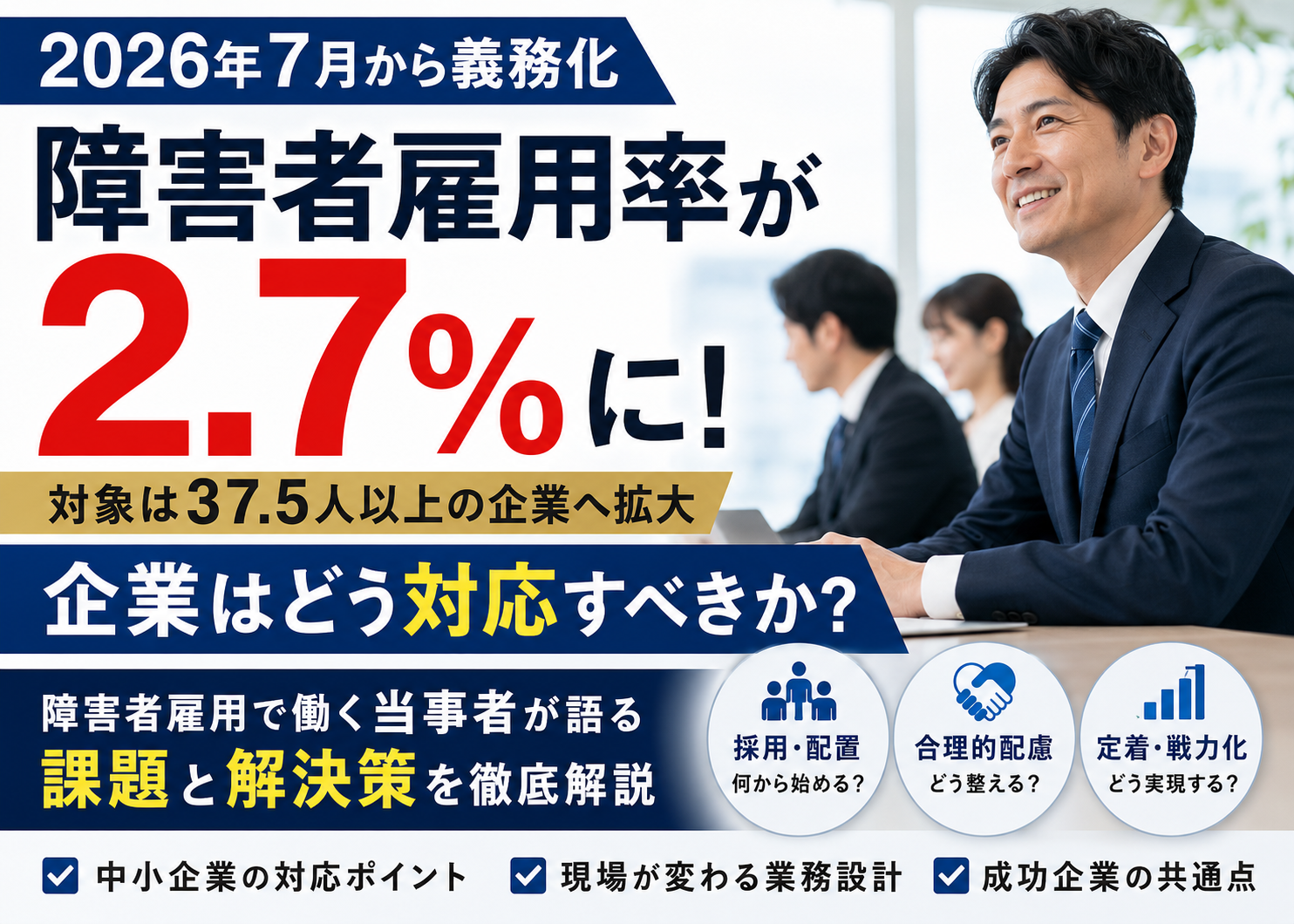
The government is increasing employment quotas for people with disabilities.
While challenges remain, progress is evident.
A Safe and Clean Country
Japan is one of the safest countries in the world.
Streets are immaculately clean and well-maintained.
People with disabilities can go out alone at night without feeling unsafe—a rare privilege in many countries.
What Japanese Society Can Do to Change
For Japan to become a truly barrier-free society, we need to break down not just physical barriers but also mental ones.
1. Provide More Choices Instead of Special Treatment
People with disabilities don’t want special privileges—they just want the same range of choices as everyone else.
2. Shift From “Self-Responsibility” to “Shared Responsibility”
Accessibility should not be left solely to the individual’s effort.
Society should proactively create an environment where everyone can thrive.
3. Update the Concept of “Harmony”
Instead of enforcing “sameness,” Japan should embrace diversity.
True harmony comes from respecting differences and making space for everyone.
Conclusion: Japan Can Become Even Greater
Yes, Japan still has barriers for people with disabilities.
Yes, societal attitudes still need improvement.
However, Japan is still a country full of kindness, safety, and social responsibility.
And the best part? Japan can still change for the better.
If we continue to evolve our awareness and attitudes, we can make Japan a place where everyone, regardless of ability, can live with dignity and independence.
Japan is already great, but with a little more awareness and action, it can become even greater.











コメントを残す