Meta Description (120–160 characters)
Nature and culture in Tajima, Hyogo foster a sustainable model. We explore the stork–cattle circular farming system and the transformation of traditional crafts into modern art.
—
Table of Contents
1. Introduction — Moving Beyond Empty Slogans to Practical Sustainability
2. Overview of the Stork–Tajima Cattle Symbiosis Model
3. The Design of the Cycle: Fields, Cattle, and Birds
4. The Expansion and Achievements of the “Stork-Friendly Farming” Model
5. Tajima Cattle’s Lineage and the Value of Resource Circulation
6. On-Site Event Report: “Flying with Storks — Tajima Whole Experience Market”
7. The Evolution of Tajima’s Traditional Crafts into Modern Art
8. Award-Winning Case Studies: Tajima Industrial Awards and Practical Innovation
9. Implementation Guide: Sustainability KPIs for Agriculture, Livestock, and Crafts
10. Conclusion — Closing the Final 2 cm Gap
—
1. Introduction — Moving Beyond Empty Slogans to Practical Sustainability
In recent years, the term “SDGs” has been widely used in media and corporate activities. However, much of this use is superficial, remaining at the slogan level without addressing the actual practices or substance of sustainability. This article explores two themes rooted in the Tajima region of Hyogo Prefecture: the symbiosis of storks and Tajima cattle, and the evolution of traditional crafts into modern art. Both serve as practical, functioning sustainability models.
From the perspective of a person with disabilities, sustainability is not about abstract ideas but about whether it truly reaches daily life. Just as a 2 cm step can be a serious barrier for wheelchair users or people with hemiplegia, true sustainability is about eliminating small barriers that impact real lives.
—
2. Overview of the Stork–Tajima Cattle Symbiosis Model
In Toyooka City, Hyogo, the “Stork-Friendly Farming” project integrates winter flooding and reduced or pesticide-free cultivation to produce rice while protecting biodiversity. This initiative began with the goal of creating feeding grounds for storks, but has since evolved into a model that integrates agriculture, livestock, and environmental stewardship.
Through collaboration with Tajima cattle farming, a circular system emerged: rice straw is used as cattle feed, and manure is composted and returned to the fields. This system reduces chemical fertilizer use, improves soil health, and lowers dependence on imported feed.
—
3. The Design of the Cycle: Fields, Cattle, and Birds
Fields: Winter flooding encourages aquatic organisms, which naturally support weeding and soil fertility. Reduced pesticide use lowers environmental impact while ensuring food safety.
Cattle: Rice straw is repurposed as feed, while manure is composted back into fields, boosting feed self-sufficiency and reducing reliance on imports.
Birds: Storks and other species return to the fields, revitalizing biodiversity and symbolizing ecological recovery.
This triangular relationship is strengthened by smart agriculture technologies such as robotic weeders, GIS-based field management, and shared seedling supply systems. These tools reduce farmer burdens while improving the quality of the cycle.
—
4. The Expansion and Achievements of the “Stork-Friendly Farming” Model
2003: Launched as a trial on 0.7 hectares.
2016: Expanded to about 366 hectares.
2023: Grew to 500 hectares with 250 members.
School meals: Adopted across all elementary and junior high schools in Toyooka.
Overseas markets: Export channels expanding across Asia.
Thus, the initiative has grown into a comprehensive ecosystem encompassing education, distribution, and international markets — not just a local effort. Numbers give credibility beyond the sentiment of “having storks is nice.”
—
5. Tajima Cattle’s Lineage and the Value of Resource Circulation
Tajima cattle form the genetic foundation of premium Wagyu across Japan, tracing back to the legendary bull Tajiri-go. Beyond their renowned beef quality, Tajima cattle play a vital role in a circular farming model that maximizes local rice straw use. This system not only reduces environmental burdens from imported feed but also enhances the value of Tajima beef.
KPI disclosure: rice straw utilization rate, compost return rate.
Potential for methane reduction through composting and biogas initiatives.
Added value: branding as cattle raised within a local circular system.
Tajima cattle thus serve as more than a premium beef brand; they are central to sustainable agriculture systems.
—
6. On-Site Event Report: “Flying with Storks — Tajima Whole Experience Market”
In Tajima, several events showcase local resources. Among them is the “Flying with Storks — Tajima Whole Experience Market”, a representative initiative.
Venue: Zentan Bus Tajima Dome
Concept: “Eat, See, and Experience”
Activities: Tajima beef BBQ, local produce, hands-on workshops, stage performances
From an accessibility perspective, the flat indoor venue and the introduction of cashless payments improve participant convenience. Adding one-line KPIs (e.g., flooded field area, biodiversity indicators, compost return rates) to brochures and displays would further strengthen the link between delicious food and environmental impact.
—
7. The Evolution of Tajima’s Traditional Crafts into Modern Art
Tajima is historically known for Toyooka willow basketry (Kiryū-saiku) and today for its development as a “City of Bags.” These crafts have not only been preserved but also adapted to modern design and art.
Refreshing and elevating willow bag designs.
Expanding “Toyooka Bag” as a nationwide and global brand.
Promoting a circular consumption model through repair and long-term use.
Tradition here is not static; it evolves in step with modern needs. This dynamic adaptability is the key to sustainability.
—
8. Award-Winning Case Studies: Tajima Industrial Awards and Practical Innovation
Yuri Co., Ltd.: Innovated bag production with feedback cycles and process management. Balanced volume and quality through CAD/CAM and strict inspections.
Marushin Chemical Industry: Developed eco-friendly packaging materials, supporting crafts and logistics behind the scenes.
D.L.P.: Created sustainable products combining regional specialties, with official certifications.
These companies share one trait: they integrate processes, materials, distribution, and certification to deliver sustainable value — not just products.
—
9. Implementation Guide: Sustainability KPIs for Agriculture, Livestock, and Crafts
Agriculture & Livestock
Flooded field area (ha)
Biodiversity indicators (amphibians, benthic organisms, stork observations)
Rice straw collection and compost return rates
Feed self-sufficiency vs. import dependence
LCA (CO₂e per ton of rice, CO₂e per kg of beef)
School meal adoption rates
Crafts & Manufacturing
Repair rate and average usage years
Recycled material ratio
CO₂e per product
Local sourcing ratio
Workshop/visitor participation numbers
Making these KPIs public builds trust by showing that numbers back up the story.
—
10. Conclusion — Closing the Final 2 cm Gap
Sustainability is not about slogans but about reaching into the details of daily life. Tajima’s initiatives — the stork–cattle cycle, the evolution of crafts, and event design — all demonstrate efforts to close the final 2 cm that often block real progress.
Circular farming: KPI disclosure and smart agriculture make the system easy for anyone to support.
Crafts: Process management, recycled materials, and repair culture elevate crafts into “process-based modern art.”
Community: Integrating food, education, and culture builds a foundation for the future.
True sustainability comes not from empty rhetoric but from data and on-the-ground practices that make life easier and lighter. Tajima’s model offers powerful insights for regional revitalization across Japan.

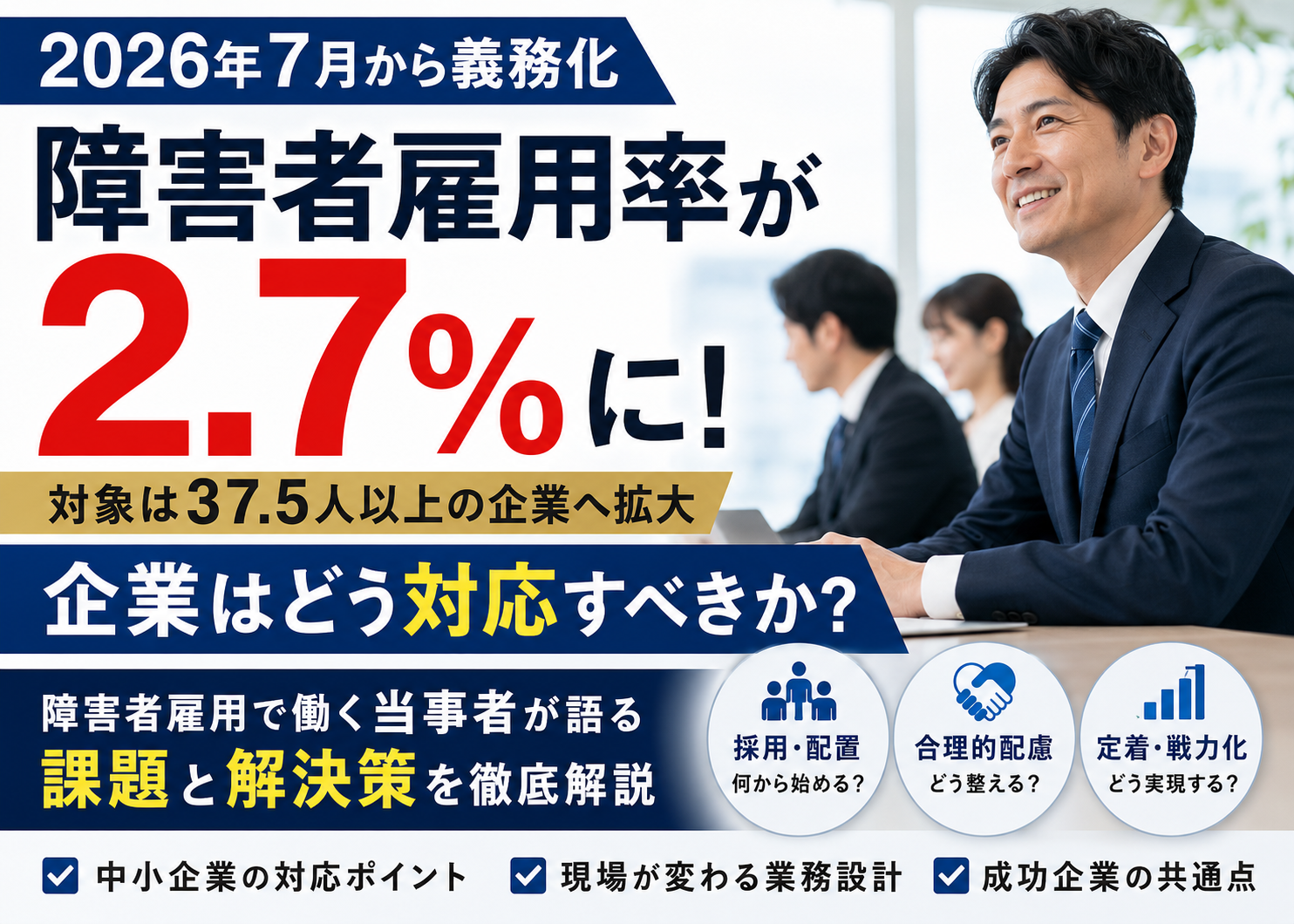
障害者雇用で「仕事を切り出す」だけでは足りない
――元課長・中途重度障害当事者が考える「人を活かす仕事の再設計」
障害者雇用で「仕事を切り出す」だけでは、本当の人材活用にはつながりません。健常者時代に課長を…















コメントを残す