Meta Description (120–160 characters)
A deep dive into the allure, legacy, and lingering mysteries of Lafcadio Hearn (Koizumi Yakumo). How to read Kaidan, Kokoro, and Glimpses of Unfamiliar Japan—plus his border-crossing life, ethics, and the role of lived experience.
Recommended Slug
/koizumi-yakumo-allure-legacy-mysteries
Primary Keywords
Koizumi Yakumo, Lafcadio Hearn, Kaidan, Glimpses of Unfamiliar Japan, Kokoro, who is Koizumi Yakumo, Koizumi Yakumo quotes, Koizumi Yakumo legacy, Koizumi Yakumo mysteries
Co-occurring / Sub Keywords (LSI)
Matsue, Zoshigaya, English literature, folklore, oral record, adaptation, Orientalism, five-sense prose, insects, Yuki-onna, Earless Hoichi, Setsu, border crossing, lived experience
Recommended Categories/Tags
Category: Japanese Literature, Cultural History, Folklore
Tags: Koizumi Yakumo, Kaidan, Folklore, Meiji, Translation, Border Crossing, Matsue
OG Image Copy (text suggestion)
“Who Was Koizumi Yakumo? | Allure, Legacy, and Mysteries Explained”
Sub: Kaidan / Kokoro / Glimpses of Unfamiliar Japan
Alt Text for OG Image
“A twilight alley lit by lantern light; translucent washi textures with the words ‘Yakumo, Kaidan, Kokoro’ faintly visible”
—
Table of Contents
1. Introduction — Hearn as a Way to See the Invisible
2. Who Is Koizumi Yakumo? A Life of Crossing Borders and Training the Senses
3. How to Read the Major Works: Glimpses, Kokoro, Kaidan
4. Legacy: Not Just a “Go-Between,” but a Preserver and Contemporary Critic
5. Mysteries & Debates: Romantic Dreamer or Recorder of Everyday Life?
6. Disability & Expression: Bias Is Redistribution, Not Lack
7. The Ethics of Translation/Oral Record/Retelling: Whose Voice Speaks, Whose Name Remains?
8. Contemporary Value: Yakumo’s Method for Tourism, Place Editing, and Inbound Communication
9. A Small Pilgrimage: Notes for Walking Zoshigaya and Matsue
10. Conclusion — Yakumo as an Ethics of Liminality
11. FAQ
—
<a id=”intro”></a>Introduction — Hearn as a Way to See the Invisible
Lafcadio Hearn (Koizumi Yakumo) is far more than “the ghost story guy.” Born in Greece with Irish lineage, trained as a reporter in America, routed through Martinique, and naturalized in Japan as Koizumi Yakumo, he crossed borders of nation, language, religion, race, and genre. He wrote from the threshold, where certain textures only appear at the edge: tales spoken by someone’s grandmother, a prayer lingering in the damp of a night road, the scent of a life-world just before modernization swallows it.
Hearn didn’t “explain” Japan. He lit up the margin that explanation spills and loses. That’s why, over a century later, his light still glows.
—
<a id=”who”></a>Who Is Koizumi Yakumo? A Life of Crossing Borders and Training the Senses
His life turned rootlessness into sensitivity. Family upheaval in childhood; an accident at school left him blind in one eye and severely myopic. From then on he read the world not by crisp outlines in the distance but by near shades through ear, nose, and skin.
In America, he trained as a journalist and, in New Orleans, lifted up the practical knowledge of Creole life—recipes and proverbs—into prose. That body-based database of taste, smell, and idiom carries straight into his Japan work. He later settled in Matsue, became known locally as “Herun-sensei” (Mr. Hearn), met his wife Setsu, and began the long practice of collaborative translation and oral recording.
In Tokyo, he taught English literature, but his lectures went beyond “about the text”: he unpacked the temper of civilizations and the structures of religion behind the works, training students to imagine a mind outside their own. In short, Hearn functioned less as a language teacher and more as a coach of imagination.
—
<a id=”works”></a>How to Read the Major Works: Glimpses, Kokoro, Kaidan
Glimpses of Unfamiliar Japan
Before modernization fully swept through, Hearn captured the grain of everyday life—funerals, festivals, work, children’s play, the air around temples—through curated sense-detail rather than exposition. Instead of brochure adjectives, he writes through the temperature of a floor under bare feet and a scent that clings to the nose, and from there the ethics of the community surface.
Kokoro
Not a manual of ethics or religion. Written as Japan is being geared into a modern nation-state, it tracks the subtle inner reactions of people being drawn into larger systems: hesitation, reserve, the pressure of harmony, the weight of silence—an experiment in how to word what resists words.
Kaidan
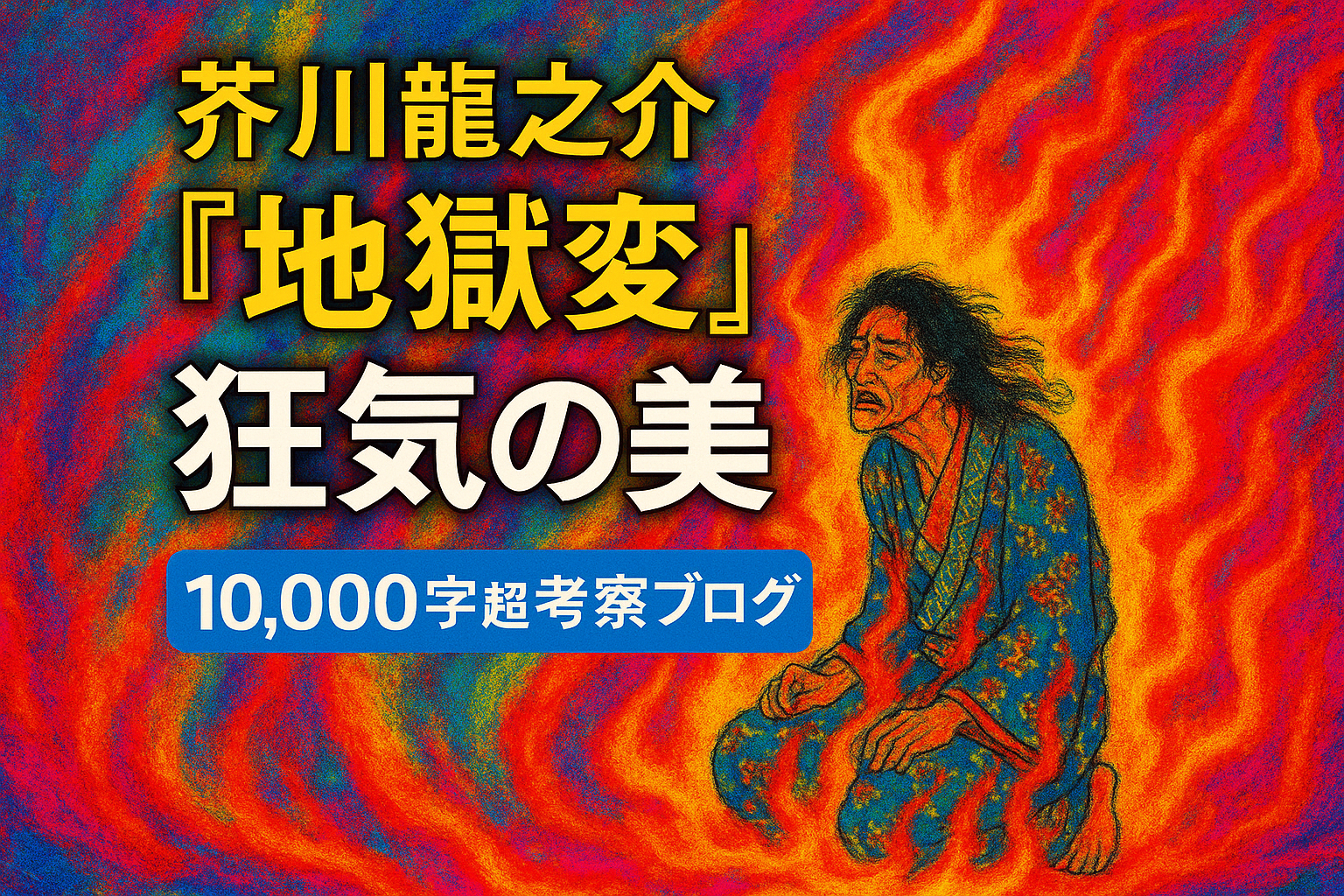
A literature of crossings where translation, oral record, and retelling mingle. Earless Hoichi, Yuki-onna, Rokuro-kubi—so many “classics” as we know them today carry the contour of Hearn’s voice. The insect essays at the end tune the whole book: they show humans and non-humans co-resonating, outlining an ethics of resonance beyond the vocabulary of modern science alone.
—
<a id=”legacy”></a>Legacy: Not Just a “Go-Between,” but a Preserver and Contemporary Critic
1) Archiving Everyday Life
Hearn did more than “introduce” Japan to the West. He preserved textures, smells, and gestures that modernization threatened to erase—binding them into literature. With Setsu’s help, he recorded the speech of everyday life in Matsue, Kumamoto, Hyogo, and Kobe. Academic rigor has its limits here, but his loyalty to the voices of ordinary people is stubbornly consistent.
2) Innovation: Five-Sense Prose
By focusing on smell, sound, temperature, and touch—escaping visual bias—he translated the community’s breathing into sentences. The “body database” he built in New Orleans flows into his portraits of Japanese towns and temples.
3) Teacher and Critic
At Tokyo Imperial University and elsewhere, his lectures trained students to read the temper of civilization and the logic of faith behind books. While living through the speed of modernization and the rise of nationalism, he tried to write both light and shadow at once—a quiet form of contemporary critique.
—
<a id=”mystery”></a>Mysteries & Debates: Romantic Dreamer or Recorder of Everyday Life?
The debate continues.
Critiques: Limits in Japanese proficiency; uneven academic rigor; a tendency toward Orientalist “mystification.”
Defenses: Through collaborative translation, he honed metaphors that dissolve cross-cultural misunderstanding, and he turned vanishing voices into books.
Another issue: did his sympathy for Meiji Japan align too closely with rising nationalism? He was indeed a child and companion of his time. Yet amid that, he quietly pursued the preservation of the life-world and a resistance to speed.
—
<a id=”disability”></a>Disability & Expression: Bias Is Redistribution, Not Lack
Blind in one eye and severely near-sighted, Hearn’s method of attention was set early. Instead of distant outlines, he catches near shades. The ear measures depth; the nose sifts time; skin maps humidity and its steps.
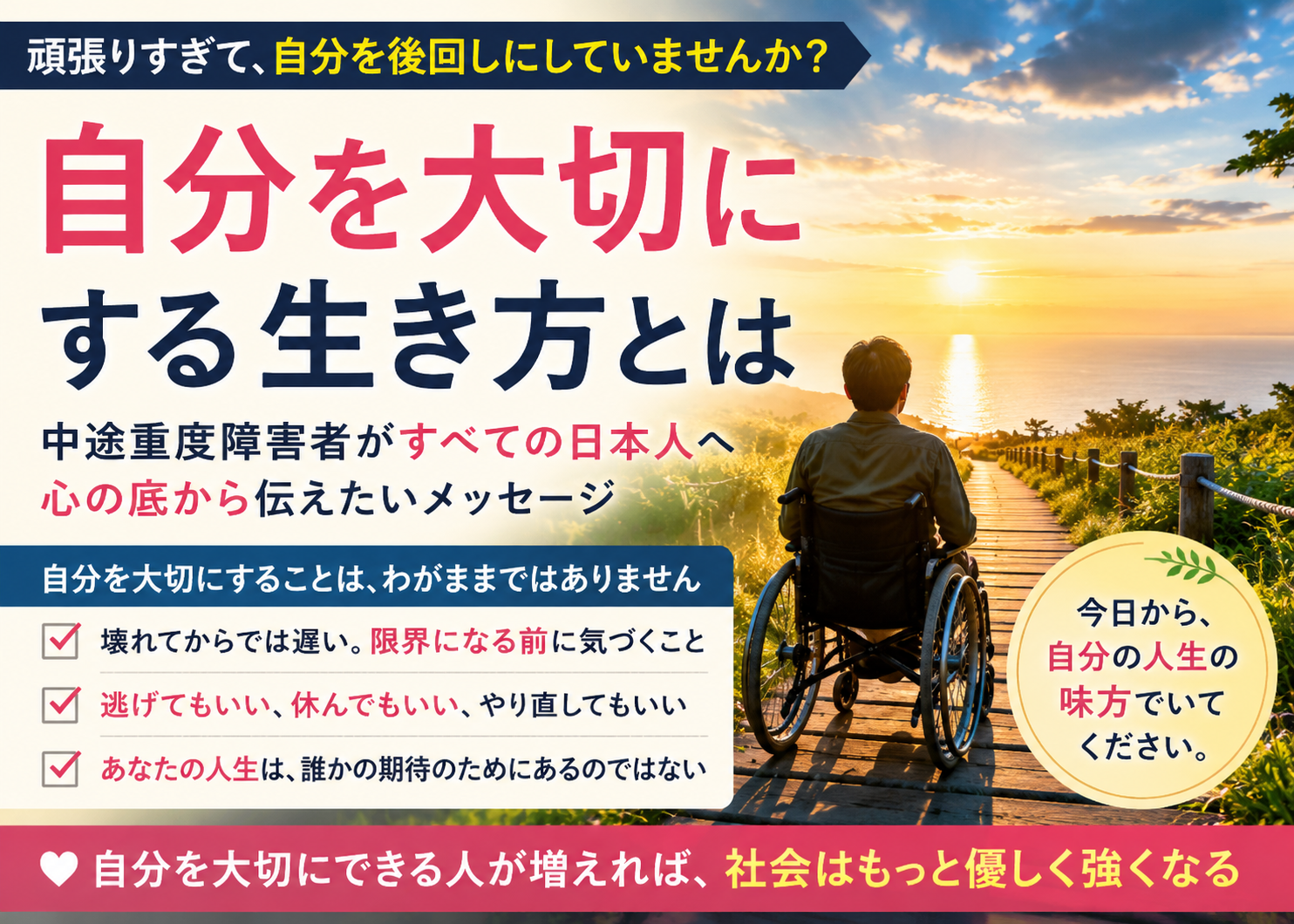
Speaking as someone with a severe acquired disability, I trace the border of can/can’t every day and feel that sensory bias is not “loss” but redistribution. Hearn remapped that redistribution into style—an early model of lived-experience-driven craft.
—
<a id=”ethics”></a>The Ethics of Translation/Oral Record/Retelling: Whose Voice Speaks, Whose Name Remains?
Much of Kaidan combines translation from old texts, stories heard from local narrators, and retellings. By modern standards the border between translation and creation can look blurry. But in an era when many voices would have vanished unrecorded, the act of converting them into books matters.
Culture moves on two wheels: transmission and transformation. Hearn gave transformation a form of responsible imagination, creating a branching point that leads to later film, manga, and anime.
—
<a id=”today”></a>Contemporary Value: Yakumo’s Method for Tourism, Place Editing, and Inbound Communication
1) Place Editing & Tourism Copy
Drop brochure adjectives. Write with five-sense detail.
Instead of “nice smell”: “the scent of rice bran lingering on tatami after rain.”
Instead of “atmospheric”: “the temperature difference between supper steam and a damp veranda.”
This kind of writing plants a story in the body of the visitor. In branding and museums, design for smell, touch, and sound to increase memory retention.
2) Translation for Inbound Audiences
Perfection in language is less crucial than collaborative translation and translating procedures (gestures/etiquette).
Metaphors: root them in local food, tools, weather.
Explaining ma (間): clarify the meaning of silence and the virtue of waiting.
Vocabulary of scent and sound: incense in sacred spaces; the phasing of festival drums.
3) Documentation Design
To preserve fading practices, layer video × text × audio. The main lesson from Hearn’s oral records: center the act of listening.
—
<a id=”pilgrimage”></a>A Small Pilgrimage: Notes for Walking Zoshigaya and Matsue
Zoshigaya Cemetery (Tokyo): Under dappling leaves, paper and incense mix on the air. The slow sway of the Toden tram becomes an embodied lesson in ma.
Matsue (Shimane): At the former residence and memorial hall, check the desk height, the window angles, the garden’s light—the apparatus of life that shaped five-sense prose.
How to walk: Not checklist tourism. Take notes on smell, sound, and temperature. Your own small ghost story will begin.
—
<a id=”summary”></a>Conclusion — Yakumo as an Ethics of Liminality
Preserver: He sealed the scent of everyday life into books.
Interpreter: He refined metaphors that untie misunderstandings.
Critic: He quietly modeled an ethics of resisting the speed of modernity.
Yes, there are limits—temptations to mystify, uneven scholarly rigor. Even so, Yakumo teaches how to remain seated on the threshold. Pause on a night road, listen, measure the air’s temperature. That way of reading still works.
—
<a id=”faq”></a>FAQ
Q1. What did Koizumi Yakumo actually do?
A. Through Kaidan, Kokoro, and Glimpses of Unfamiliar Japan, he portrayed Japan’s life-world with five-sense metaphors. More than a mediator, he left an archive of everyday life.
Q2. Why is he mostly known for ghost stories?
A. Because the tales in Kaidan spread widely through film and manga. But his core is five-sense prose and an ethic of preservation.
Q3. Could he speak Japanese?
A. Not fluently. With the help of his wife Setsu, he gathered stories and read sources—an early practice of collaborative translation.
Q4. What about Orientalism?
A. The risk of mystification and freezing images is real. Yet he also preserved a life-world and resisted the speed of his era.
Q5. Where should I start reading?
A. Begin with Glimpses of Unfamiliar Japan, then Kokoro, then Kaidan. In that order, you’ll move from senses → ethics → narrative.
Q6. Is it worth visiting related sites?
A. Zoshigaya and Matsue, yes. Take notes on smell, sound, and temperature; reading becomes embodied and understanding deepens.
Q7. Any tips for scholarly reading?
A. Separate two evaluations: (A) limited value as a precise historical source, (B) powerful value as writing. Annotate the limits while using the specificity of the prose.
Q8. How does disability relate to his work?
A. He turned sensory bias into redistribution—a design for expression. Lived experience can make the invisible visible.
Q9. What can place editors use today?
A. Replace adjectives with five-sense detail. It maps directly onto exhibition, outreach, and tourism design.
Q10. Why are the insect essays important?
A. They model co-existence between humans and other beings and tune the book’s after-resonance—the quiet that follows the tale.

障害者雇用で「仕事を切り出す」だけでは足りない
――元課長・中途重度障害当事者が考える「人を活かす仕事の再設計」
障害者雇用で「仕事を切り出す」だけでは、本当の人材活用にはつながりません。健常者時代に課長を…














コメントを残す