✅ Meta Description (within 155 characters) Ryunosuke Akutagawa’s “Hell Screen” — where madness and beauty, art and destruction coexist. A profound 10,000+ word analysis by a disabled blogger who resonates deeply with its haunting brilliance.
🔍 Primary SEO Keywords (naturally repeated throughout the article) Hell Screen, beauty in madness, Ryunosuke Akutagawa, sacrifice in art, beauty and destruction, reason behind fascination with madness, agony of artists, perspective of disabled writer, what is beauty, balance of madness and beauty, art and ethics, analysis of Hell Screen
📑 Table of Contents (Click to Jump)
- Introduction | Between Art and Madness
- Chapter 1 | The Aesthetics of Narrative: The Power of First-Person Perspective
- Chapter 2 | Yoshihide — Slave to Beauty or Devil?
- Chapter 3 | The Violence of Beauty — A Blooming Flower in Hell
- Chapter 4 | Genius in Structure and Arrangement — The Intelligence of Akutagawa’s Pen
- Chapter 5 | Why Are We Drawn to Madness? — Resonating with Our Inner Desires
- Conclusion | Madness Is Sometimes the Purest Form of Beauty
Introduction | Between Art and Madness
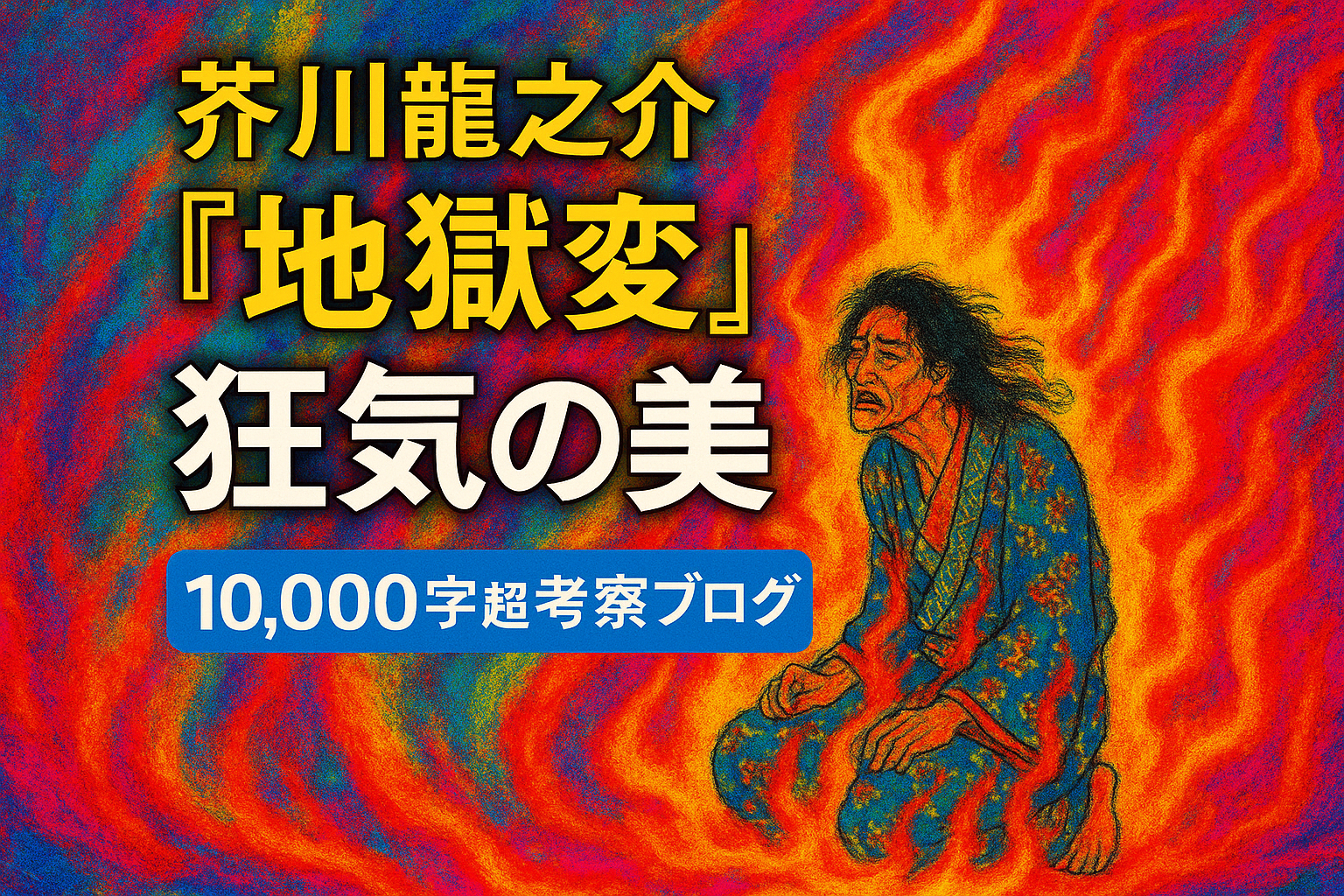
Ryunosuke Akutagawa’s masterpiece “Hell Screen” — even a single line from it evokes imagery as vivid as a painting, each stroke blazing like fire. The story explores an obsession with extreme beauty and the descent into madness that comes from pursuing it.
But this tale grips readers not only because of its stunning prose or shocking climax. It pierces our souls because it grapples earnestly with fundamental questions: “What is beauty?”, “What is art?”, “Where is the line between sanity and madness?” — and portrays the anguish of an artist who seeks those answers.
When I first encountered “Hell Screen,” I was both terrified and deeply captivated by the purity of Yoshihide’s madness — the idea of sacrificing everything for the sake of beauty.
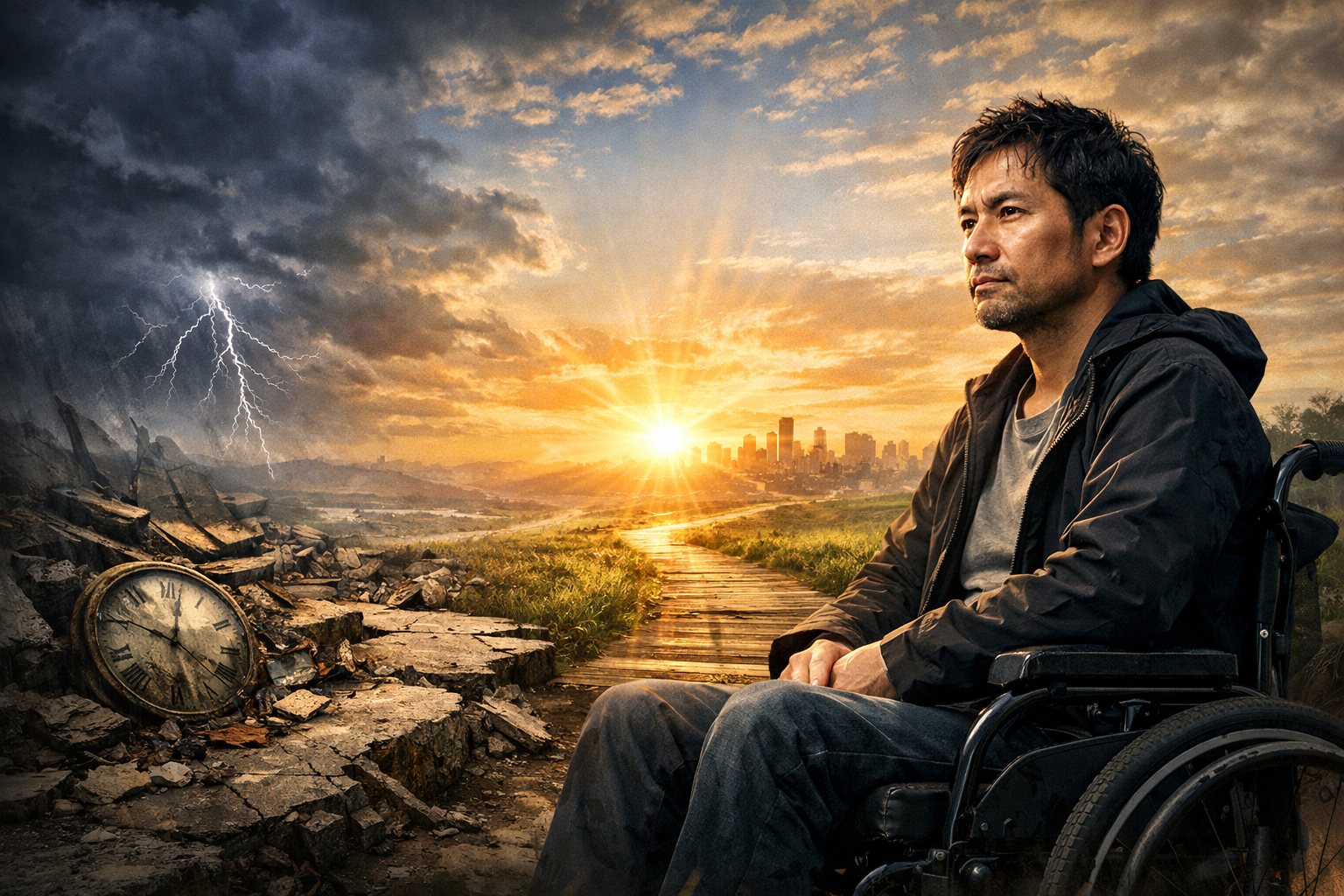
That’s when I realized: I, too, live with a hint of that same madness. As a person with a disability, living within physical limits and constraints, I continue to write — not for fame or praise — but because something in me burns to express.
Even if no one ever acknowledges it, if my words can touch a single soul, then that alone makes my madness worthwhile.
Chapter 1 | The Aesthetics of Narrative: The Power of First-Person Perspective
“Hell Screen” is told from the perspective of a servant who idolizes the eccentric painter Yoshihide. This narrative device is Akutagawa’s first major arrangement — and a brilliant one.
From the start, readers are shown a filtered reality — the servant’s view is biased and possibly unreliable. Through this lens, we’re forced to question: Are we seeing truth? Or glorified delusion?
This dual-layered narrative structure compels the reader to confront ambiguity. Is madness always madness? Or can it become beauty when filtered through belief?
In my own life, I’ve also felt the suffocating weight of having my truth distorted by others’ lenses — by expectations, by pity, by societal norms. But I’ve learned: even if my words are imperfect, they are my truth. And that alone gives them worth.
Chapter 2 | Yoshihide — Slave to Beauty or Devil?
The artist Yoshihide demands to witness real agony so he can paint it authentically. Ultimately, he sacrifices his own daughter to capture the essence of suffering in flames — the ultimate hell.
His actions horrify us. But disturbingly, they also awe us. There is a terrifying purity in his madness: he does not seek wealth, pleasure, or fame. He desires only beauty — perfect, unfiltered, transcendent.
And in that absolute obsession, we glimpse something deeply human.
As a writer with a disabled body, I often push past pain and misunderstanding — not because I’m brave, but because I, too, seek to express something real. That drive, no matter the cost, feels eerily close to Yoshihide’s flame.
Chapter 3 | The Violence of Beauty — A Blooming Flower in Hell
The greatest irony of “Hell Screen” is this: to paint hell, Yoshihide must create it.
The burning of his daughter is a horror. But from that act emerges the artistic peak of his career — a hell screen so vivid it transcends the boundary of the real.
This presents a brutal question:
How much sacrifice is justified in the name of art?
Is it ever acceptable to cause harm for the sake of beauty?
These dilemmas are not fiction — they echo through every artist’s soul.
Even in my quiet room, typing with pain, I often wonder: Is this self-sacrifice still art if it hurts? If the result touches someone — even one person — then maybe, just maybe, it’s worth it.
Chapter 4 | Genius in Structure and Arrangement — The Intelligence of Akutagawa’s Pen
Akutagawa based this story on a traditional Heian period tale, but what he created is vastly more profound. Why?
Because he didn’t merely retell — he restructured. By using the biased narrator, manipulating the sequence, and crafting the perfect contrast between reason and madness, he transformed folklore into timeless literature.
His work is a literary structure where madness and logic exist in a breathtaking balance — a mirror of how real genius often emerges.
I, too, write not just to tell a story, but to ask a question. Will someone one day find clarity in my words, the way I found reflection in Akutagawa’s?
Chapter 5 | Why Are We Drawn to Madness? — Resonating with Our Inner Desires
Yoshihide’s madness is not random. It is an amplified version of something we all feel — the desire to create, to express, to find beauty beyond the mundane.
But that desire often comes with cost. Time. Energy. Health. Sanity.
“Hell Screen” shows us that our fascination with madness stems from our own secret longing to abandon everything for something truly beautiful.
For me, that “something” is language. Though I live with limitations, words are my wings. When someone tells me, “your words helped me,” that alone makes the madness inside me feel less like suffering, and more like salvation.
Conclusion | Madness Is Sometimes the Purest Form of Beauty
“Hell Screen” is unforgettable not because it is horrifying, but because it reveals a sacred truth:
Madness, when pure, becomes beauty.
Akutagawa dares us to face the extremes of humanity — the boundaries between genius and cruelty, devotion and destruction.
And as someone who continues to write from the edge of limitation, who channels pain into poetry, I find myself understanding Yoshihide all too well.
The madness within me does not consume me. It illuminates.
Through flame and word, I continue to create.
That is why I am drawn to this story — because it reflects not only madness, but my own pursuit of a beauty that costs everything and gives everything in return.















コメントを残す