✅ Meta Description (within 155 characters)
Why is “Jitsugokyo” still relevant today? A severely disabled Japanese blogger explores this timeless moral text and its quiet power to restore the spirit of being Japanese.
🔍 Primary SEO Keywords (Naturally Embedded)
Jitsugokyo moral teachings / Japanese education values / classical ethical education / Buddhist Confucian Shinto blend / personal growth / Japanese soul / disabled blogger / moral guidance / Japanese tradition in modern life / rediscovering Japan
📑 Table of Contents
- Introduction | Why Talk About Jitsugokyo Today?
- What Is Jitsugokyo? — The Secret Behind Its Thousand-Year Longevity
- Cultivating the Roots of the Heart — Core Teachings of Jitsugokyo
- The Spirit of Filial Piety and Respect for Teachers
- Causality and Sincerity — An Inner Compass for Life
- A Crossroads of Buddhist, Confucian, and Shinto Thought
- What Jitsugokyo Means to Me as a Severely Disabled Person
- Bringing Jitsugokyo Back to Families and Homes
- Redefining Education in Japan — Reclaiming the Human Core
- Conclusion | Jitsugokyo as a Prayer for Life
1. Introduction | Why Talk About Jitsugokyo Today?
“What words formed the root of your character?”
Most people may struggle to answer this. In a society that prioritizes efficiency and speed over reflection and humanity, it’s easy to lose sight of the deeper question: How should one live as a person?
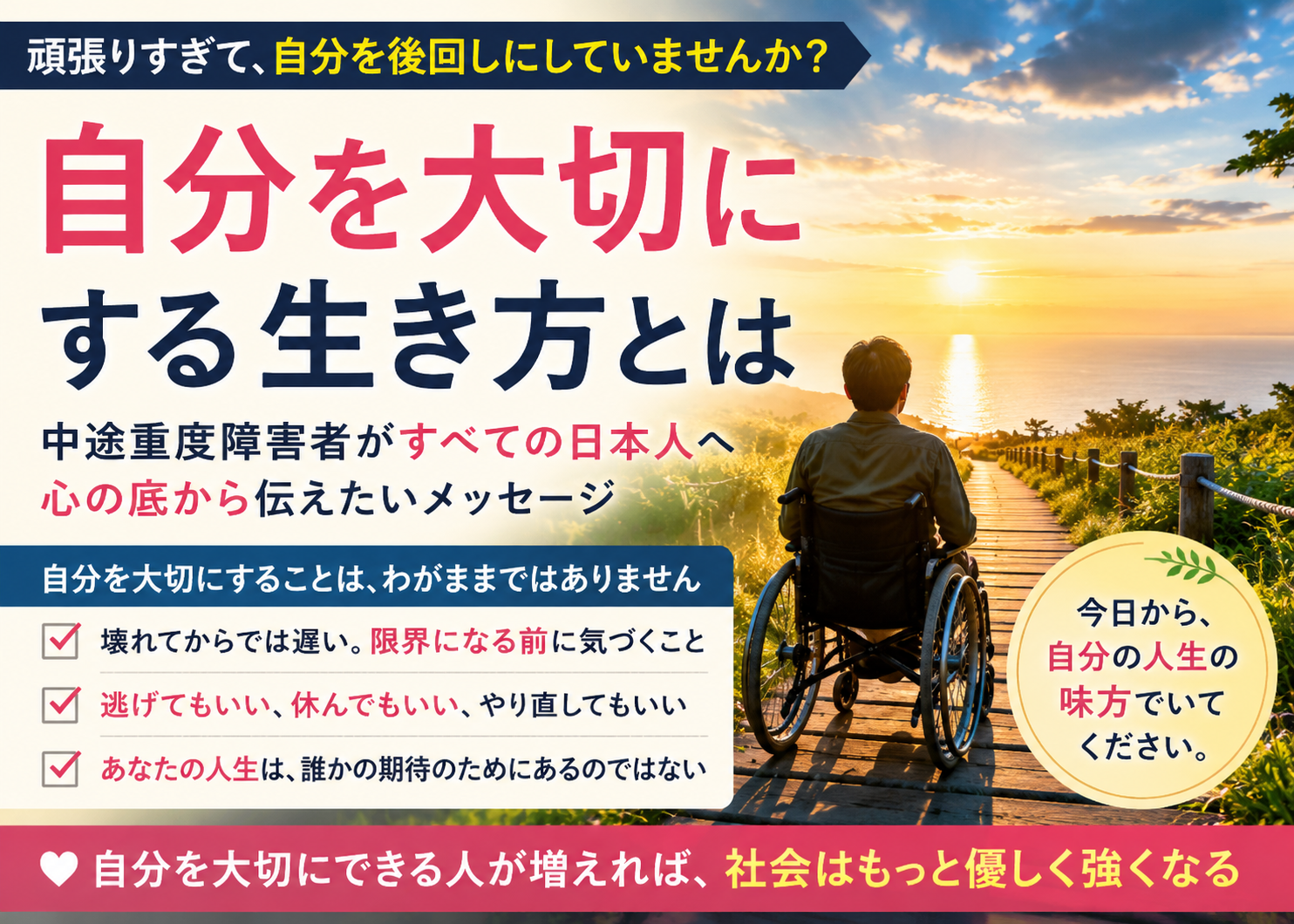
After suffering a brain hemorrhage that left me severely disabled, I was forced to reconsider what it means to live. During that search, I encountered a quiet but profound classical text called Jitsugokyo, a collection of moral teachings passed down in Japan for over a thousand years.
In these short but powerful sentences, I rediscovered what it means to be “Japanese at the core.”
2. What Is Jitsugokyo? — The Secret Behind Its Thousand-Year Longevity
Jitsugokyo is a concise moral text written in classical Chinese with Japanese reading marks. It dates back to the late Heian to early Kamakura period and became a foundational textbook in terakoya (temple schools) during the Edo period.
Key Features:
- Composed entirely of brief, universal moral teachings
- Accessible to children and adults alike
- Reflects a blend of Buddhist, Confucian, and Shinto values
- Emphasizes lifelong learning, sincerity, filial piety, and compassion
Its staying power lies not just in its ethical messages, but in its poetic simplicity that transcends time and status.
3. Cultivating the Roots of the Heart — Core Teachings of Jitsugokyo
📖 Lifelong Learning
“Learn in youth, and you will flourish in adulthood.
Learn in adulthood, and you will not decline in old age.
Learn in old age, and your spirit shall never rot after death.”
This verse alone encapsulates the philosophy of continuous personal growth. In an age where the concept of lifelong learning is essential, Jitsugokyo was far ahead of its time.
🌱 The Importance of Inner Integrity
“When the heart is righteous, actions follow;
when actions are righteous, one has nothing to fear in society.”
This profound insight teaches that self-reflection and sincerity are the foundation of harmonious living. It’s not about perfection — it’s about authenticity.
4. The Spirit of Filial Piety and Respect for Teachers
“Filial piety is the root of all virtue.”
To modern ears, “filial piety” might sound outdated or hierarchical. But in Jitsugokyo, it’s not blind obedience — it’s about growing into someone who reassures and honors your parents through your own maturity and integrity.
Likewise, respect for teachers isn’t about formality. It’s about appreciating those who guide your inner and outer journey — a practice that strengthens the trust essential to true learning.
5. Causality and Sincerity — An Inner Compass for Life
“Good deeds bring blessings;
bad deeds bring misfortune.”
This classic Buddhist idea of karma is not a fatalistic worldview. Instead, it’s a reminder that honest effort bears quiet fruit over time. In a world obsessed with instant rewards and visibility, Jitsugokyo calls us back to patience and trust in slow, meaningful growth.
6. A Crossroads of Buddhist, Confucian, and Shinto Thought
Jitsugokyo is not a doctrinal religious text, but it reflects a rare synthesis of three spiritual traditions that have shaped the Japanese ethos:TraditionCore IdeasReflected in JitsugokyoBuddhismKarma, impermanence, compassion“Good deeds bring blessings…”ConfucianismFilial piety, loyalty, proper conduct“Filial piety is the root…”ShintoPurity of heart, harmony with natureImplicit throughout
This subtle but profound blend gives Jitsugokyo a depth rarely found in modern educational material.
7. What Jitsugokyo Means to Me as a Severely Disabled Person
After losing mobility and speech due to a brain hemorrhage, I felt stripped of everything that once defined me. In that emptiness, I returned to this verse:
“Learn in old age, and your spirit shall never rot after death.”
It struck me with overwhelming clarity — even with a broken body, I could still grow.
I could still contribute.
I could still be.
Now, as a blogger, I reach others through words. I believe that even with disability, one can kindle light in someone else’s darkness. Jitsugokyo didn’t just inspire me — it gave me back a reason to live.
8. Bringing Jitsugokyo Back to Families and Homes
Modern education tends to focus on data, metrics, and performance. But the soul of education isn’t in results — it’s in how we live.
That’s why Jitsugokyo doesn’t belong just in schools, but in homes.
🏡 Practical Ways to Introduce Jitsugokyo at Home:
- Read one sentence each morning as a family
- Reflect together on its meaning over meals
- Write journal entries or social media posts (#JitsugokyoDaily)
- Compare old wisdom with modern life experiences
By weaving these small rituals into daily life, we plant seeds that nurture moral resilience.
9. Redefining Education in Japan — Reclaiming the Human Core
Much of the national discourse on “education reform” centers on systems and testing. But the truest education begins not with policy, but with a single question:
“How should we live as human beings?”
Jitsugokyo provides answers, not through abstraction, but through compact, poetic wisdom:
- What does it mean to be Japanese?
- How should we treat others?
- How can we find strength in weakness?
- What values shape our decisions?
Jitsugokyo offers a mirror — not to judge, but to awaken.
10. Conclusion | Jitsugokyo as a Prayer for Life
Jitsugokyo is more than a book. It’s a prayer for how to live.
For those of us who’ve faced loss, limitation, or uncertainty, it whispers:
“You are enough.
You still matter.
Keep learning. Keep walking.”
Let these ancient words echo quietly in your heart.
Let them nourish the deepest roots of your soul.
Because in learning how to live, we learn how to shine — not just for ourselves, but for those around us, and for the generations yet to come.
If you’d like a WordPress-optimized HTML version of this article, thumbnail designs, or soci















コメントを残す