A Deep Reflection from a Severely Disabled Mid-Career Blogger on Calmness and a Society That Works Against It
Introduction | The Simple Wish to Live Peacefully
“I just want to live with a calm mind.”
This is not a selfish or extravagant desire. It’s a basic, universal longing shared by all human beings.
Yet, the world seems to be moving in the opposite direction.
People tear each other down on social media. Society fuels relentless competition. Companies strip away humanity in the name of productivity.
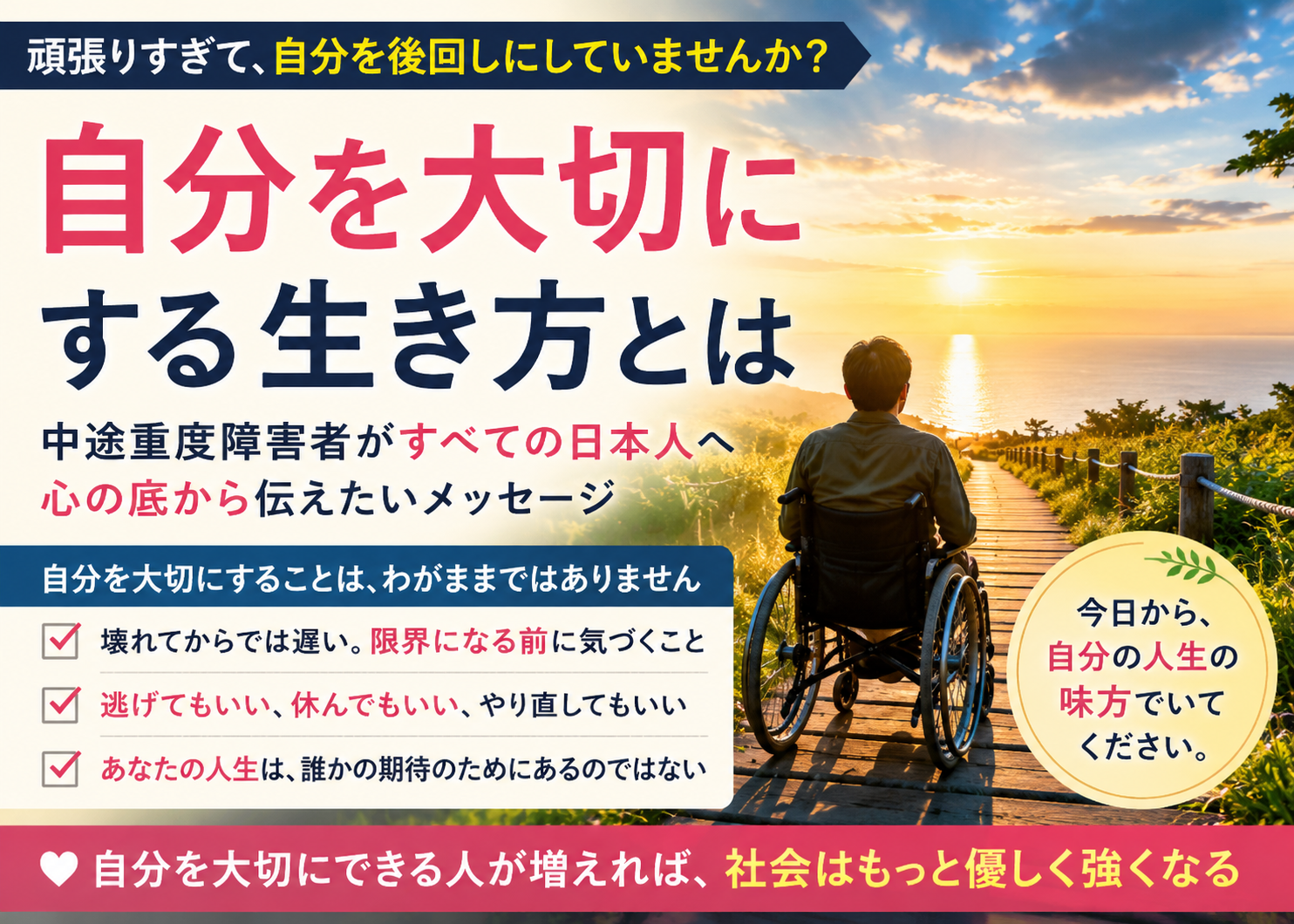
As a person who acquired a severe physical disability mid-career, I feel the impact of this even more deeply.
Why does the world fail to support our desire for inner peace?
In this blog, I will explore this question through multiple layers—individual, society, economy, education, and history.
Chapter 1 | Is Inner Peace a Luxury to Be Earned?
Let’s start with one observation:
In today’s world, being calm is not seen as a natural state but as a “goal” to achieve.
Take mindfulness or meditation.
These practices originally came from Buddhist ideas—being present in the “here and now.”
But now, they’re tools to withstand stress, not to return to our original state.
In other words, peace of mind is no longer our starting point. It’s something you must fight for in a stormy world.
Why is this?
Because modern society runs on the assumption that:
“Your inner peace is your own responsibility. We won’t help you with it.”
Chapter 2 | Why Society Thrives on Division and Competition
To be calm, we need safety and stability.
But the systems of our society do the opposite—they systematically destroy peace of mind.
- Temporary contracts and gig work create constant job insecurity
- Schools label and rank children by grades and test scores
- Social media encourages outrage, comparison, and craving for validation
These are not accidents.
Modern society intentionally creates division and competition so that people remain easy to control, always chasing something, always anxious.
This structure hurts everyone.
But as a person with a disability, I’ve seen how even asking for “reasonable accommodation” can be seen as selfish.
It’s as if even the desire for calmness is treated like a luxury item.
Chapter 3 | The Economic System Dismisses Calmness
In our economic system, peace of mind has no monetary value.
You can’t measure it in profit or efficiency, so companies ignore it.
In fact, anxiety is more profitable than peace:
- Fear of retirement poverty sells insurance
- Feelings of inadequacy drive beauty and self-improvement industries
- Uncertainty about the future boosts investment in assets
Anxiety is the fuel of modern consumerism.
Peace of mind, on the other hand, extinguishes that fuel.
It’s seen as an enemy of growth.
This is the root of why the world does not promote inner peace—it’s bad for business.
Chapter 4 | How Schools Train “Warrior Children”
Peace of mind is deeply shaped by our early environment.
But in Japan, education pushes children in the opposite direction.
- Intense academic competition
- Pressure to conform and “read the room”
- Widespread bullying and social isolation
Schools don’t teach children how to live peacefully.
Instead, they train children to tolerate stress silently and comply with social pressure.
As someone who became disabled later in life, I now look back and realize:
This early psychological pressure never really left me.
Education has become a place where children learn not how to be calm, but how to survive stress.
Chapter 5 | What I Learned About Peace After Becoming Disabled
Since acquiring my disability, I’ve seen how the world lacks emotional room for those who don’t fit the mold.
- In hospitals, efficiency outweighs empathy
- In the workplace, “accommodation” is seen as favoritism
- Government processes force a cruel choice: suffer silently or give up on support
But this isn’t just about disabled people.
It’s a reflection of the whole world—a world that denies the effort for peace in everyone’s life.
Chapter 6 | How I Try to Live Peacefully Despite It All
In my daily life, I practice a few key things to protect my peace:
- Limit information – Stay away from TV news and social media
- Create simple routines – Sleep, meals, and wake-up time stay consistent
- Write to process emotions – Putting feelings into words brings clarity
- Never compare – Don’t borrow someone else’s definition of happiness
These actions come from a decision I’ve made:
Don’t expect society to provide peace. Create it myself.
In this world, calmness is not granted.
It must be chosen. That’s the paradox.
Chapter 7 | Can a Peaceful Society Be Built?
So far, we’ve seen how society rejects peace in favor of control and profit.
But does that mean we’re powerless?
Not at all.
We can begin reversing this trend in small but real ways:
- Managers who allow emotional space in teams
- Schools that teach mindfulness and self-compassion
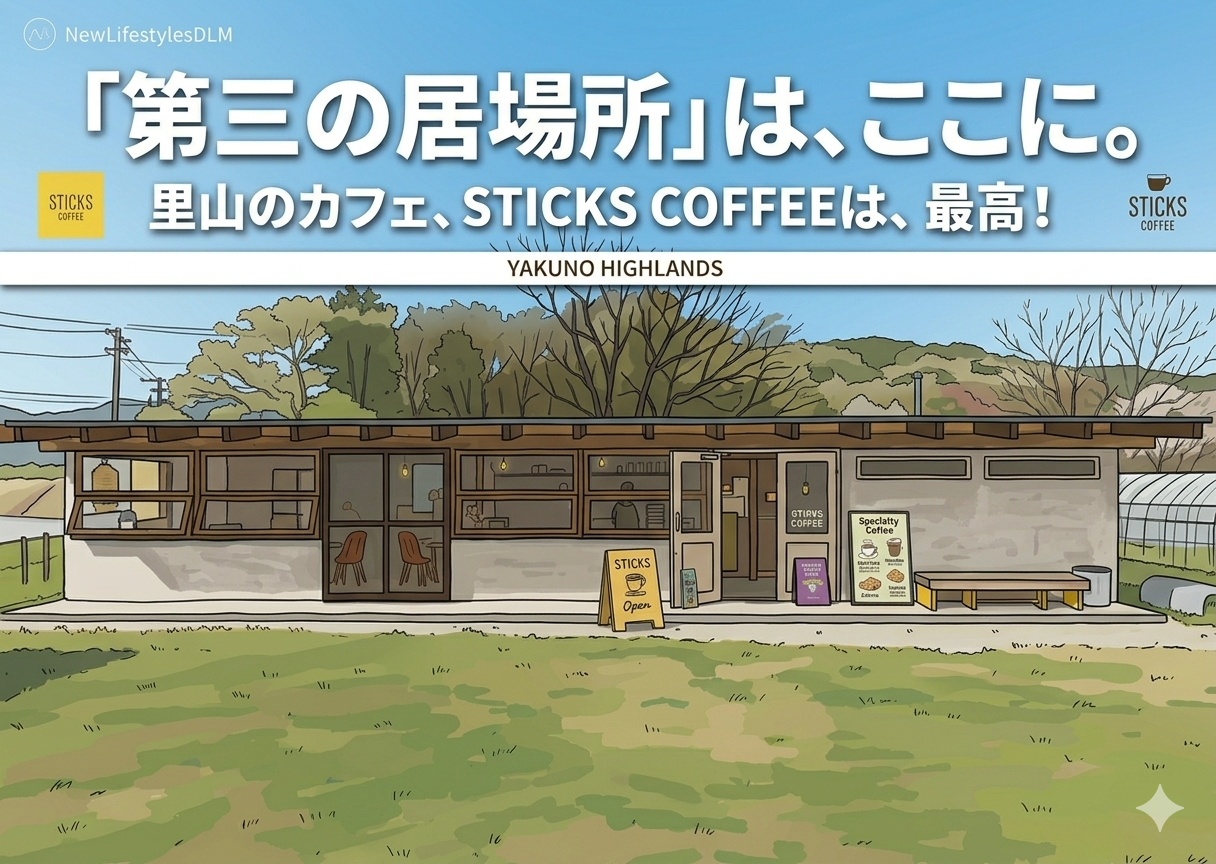
- Economies that recognize the value of “calm industries” like libraries and small local cafés
Interestingly, I believe that having disabled people in organizations helps reveal the true value of inner peace.
Because we’re seen as “inefficient,” our presence often makes others question what truly matters.
Final Chapter | Calmness Is a Life Strategy
I cannot move freely.
I cannot exercise.
But I can protect my heart from being disturbed.
To me, being calm is not escapism.
It is a deliberate, strategic way of surviving in a world that constantly demands more.
It is my form of resistance, and my deepest form of strength.
And maybe, just maybe, if more people realize this—
We can build a world that is even a little bit easier to live in.
Conclusion | The Intelligence of Being Calm
Wanting to live peacefully is a universal truth.
Yet, the world denies it because calmness interferes with productivity, economy, and control.
Still, I believe this:
To be calm is not weak. It is wise.
It is a form of dignity.
It is the strongest way to live.
Even if the world doesn’t support it, I will choose calmness every single day.
















コメントを残す