How a Severely Physically Disabled Person Manages Health Without Exercise
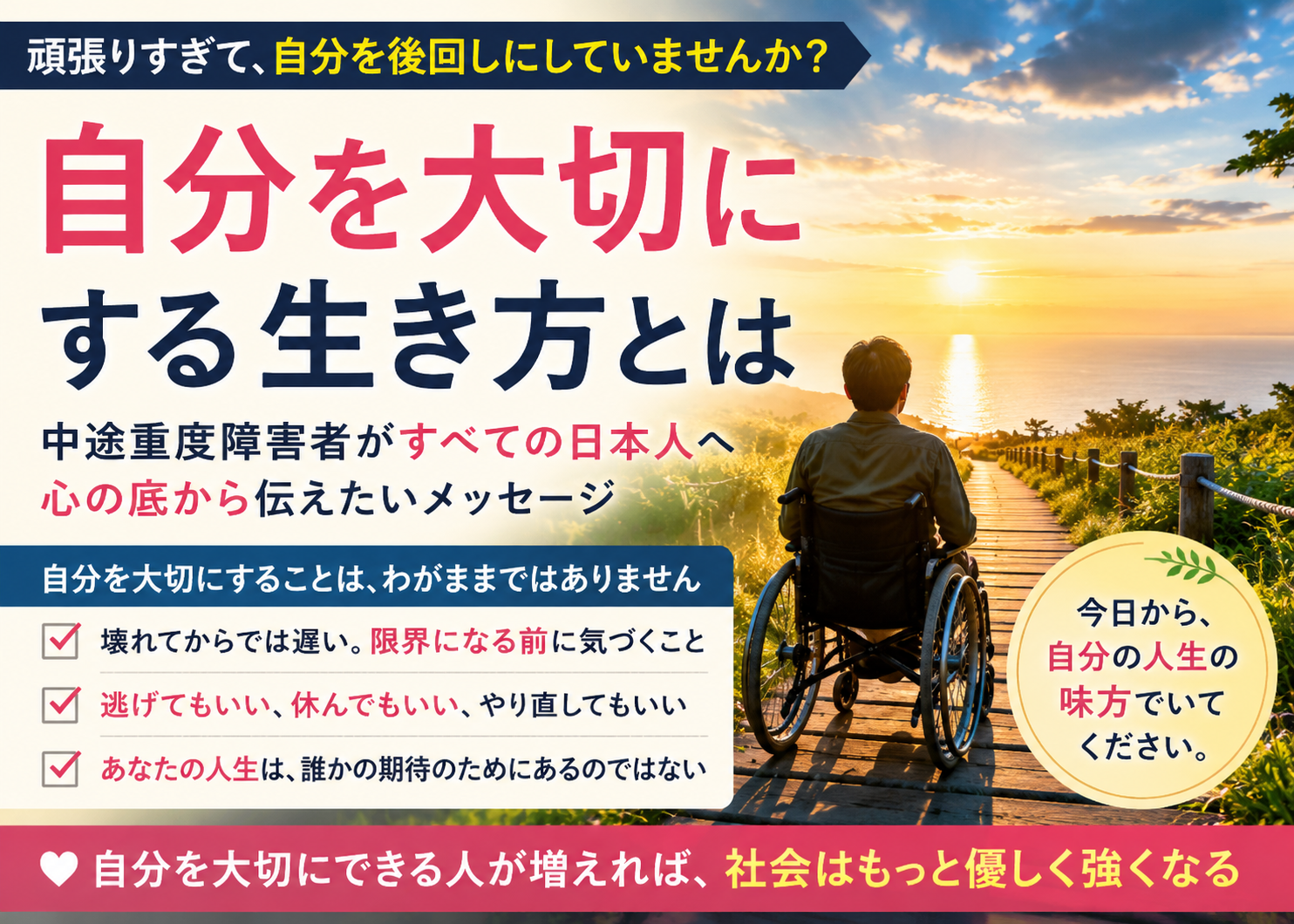
Living a Life That Respects Myself
Spread the love
Meta Description (within 155 characters)
You don’t need exercise to manage your health. A disabled blogger shares how restarting the 16-hour fast helped rebuild his life, body, and dignity.
Main SEO Keywords (naturally included throughout)
16-hour fasting benefits
dieting without exercise
disability and health management
severely disabled lifestyle
rebuilding routine with fasting
intermittent fasting mindset
disability and self-care
meal control for health
healthy living with limitations
disabled blogger reflections
Introduction | Hitting the Reset Button on My Life
As someone who lives with a severe physical disability, I’ve spent years redefining what “health” means to me.
I can’t walk, run, or exercise like most people. That doesn’t mean I’ve given up—but it does mean I have to find my own way.
Lately, though, I noticed something unsettling:
my routine was falling apart.
Late-night snacking, irregular meals, mental fog…
And worst of all, I was starting to lose interest in managing myself.
So I decided to hit reset.
I restarted my 16-hour fasting routine—not to lose weight, but to regain control over my life.
Chapter 1 | Managing Health Without the Option of Exercise
1.1 The Wall: “I Can’t Burn Calories”
For many, fitness means jogging, lifting weights, or sweating it out in the gym.
But for me—and others with physical disabilities—those options are gone.
So how do I stay healthy?
I focus not on burning, but on not overloading.
In other words, I manage from the inside:
by controlling what I eat, and by understanding how my body responds.
Chapter 2 | What Is 16-Hour Fasting? Benefits and Philosophy
2.1 The Basics
The 16-hour fast, or intermittent fasting, means fasting for 16 hours a day and eating only during the remaining 8 hours.
For example, if you finish dinner at 8 p.m., your next meal won’t be until 12 p.m. the next day.
During the fasting window, the digestive system rests, insulin levels stabilize, and a process called autophagy helps recycle damaged cells.
2.2 More Than Physical: Mental Clarity
Fasting also frees your mind from constant digestion and decision fatigue.
The “empty time” becomes a space for calm and focus.
That mental reset has helped me rebuild a better daily rhythm.
Chapter 3 | Fasting as a Disabled Person’s Health Strategy
3.1 Observation Over Motion
Without physical exercise, observation becomes my greatest tool.
I closely watch:
- swelling in my face in the morning
- sluggishness after certain meals
- mood swings tied to sugar intake
Fasting sharpens this awareness.
You start to hear what your body is saying—subtly, but clearly.
3.2 Fasting as Self-Respect
Choosing to fast isn’t about denial.
It’s about declaring:
“I won’t abandon myself.”
That’s a powerful form of self-respect, especially when so many aspects of life are dictated by disability.
Chapter 4 | Restriction Can Be Freedom
4.1 The Beauty of Choosing for Yourself
Restriction can feel like loss—until you realize it’s a choice you control.
I’m not forced to fast.
I choose to.
And in that choice, I reclaim agency and pride.
“I’m not powerless. I can still shape my life.”
That’s what the fast reminds me of—every single day.
Chapter 5 | How Lifestyle Chaos Equals Lost Self-Worth
5.1 Food Reflects Mental State
When I let my diet fall apart, it wasn’t just about food.
It was about avoiding myself.
Ignoring my physical state meant avoiding the discomfort of looking too closely.
But since restarting fasting, I feel something returning:
the joy of feeling in control again.
Meal rhythm is life rhythm.
Chapter 6 | Gentle Self-Discipline Is the Key
6.1 Kindness, Not Harsh Rules
Self-management isn’t about being harsh or rigid.
It’s about being gentle but honest with yourself.
- Don’t push when you’re unwell
- Celebrate small wins
- Don’t dwell on bad days
That balance—between support and correction—is what builds trust with yourself.
Even as a disabled person who often relies on others, I make it a rule to never surrender the core of my own decisions.
Chapter 7 | A Practical Guide to Getting Started
7.1 Step 1: The First 3 Days
Don’t aim for perfection from day one.
Use “distraction tools” like nuts, herbal tea, or walks to get through cravings.
7.2 Step 2: Keep a Simple Log
Track what you eat, how you feel, and your energy levels.
Even a few bullet points per day help you see the bigger picture.
7.3 Step 3: Compare Only to Your Past Self
This journey isn’t about outperforming others.
It’s about growing stronger than your yesterday.
Conclusion | Reclaiming Hope by Managing Myself
Restarting the 16-hour fast wasn’t about losing fat.
It was about regaining my pride.
I may not be able to run a marathon.
But I can run my life.
Through intentional eating, conscious reflection, and small victories, I can say honestly:
“I didn’t abandon myself today.”
If you’re someone struggling to regain structure or hope,
I encourage you:
Try fasting—not as punishment, but as a quiet form of strength.
Final Thought:
“Even with limits, you still have the freedom to choose your life.”
That freedom is everything.

















コメントを残す