A Severely Disabled Blogger’s Perspective on the Contradictions Between Economic Inequality and Political Equality
Meta Description (SEO-Optimized, under 155 characters):
Capitalism embraces inequality. Democracy assumes political equality. This blog explores their uneasy coexistence from the lived perspective of a disabled writer.
Target SEO Keywords (Naturally Embedded)
- capitalism inequality
- democracy and equality
- contradictions of democracy and capitalism
- value of a single vote
- political participation gap
- disability and society
- social distortion
- capitalism vs democracy
Introduction | The Day I Noticed Something Was Off
We live in a world where capitalism and democracy are considered givens.
But are these two systems truly compatible?
Capitalism embraces competition and inequality.
Democracy relies on the idea that each vote carries equal weight.
Somewhere in between lies a quiet but fundamental contradiction.
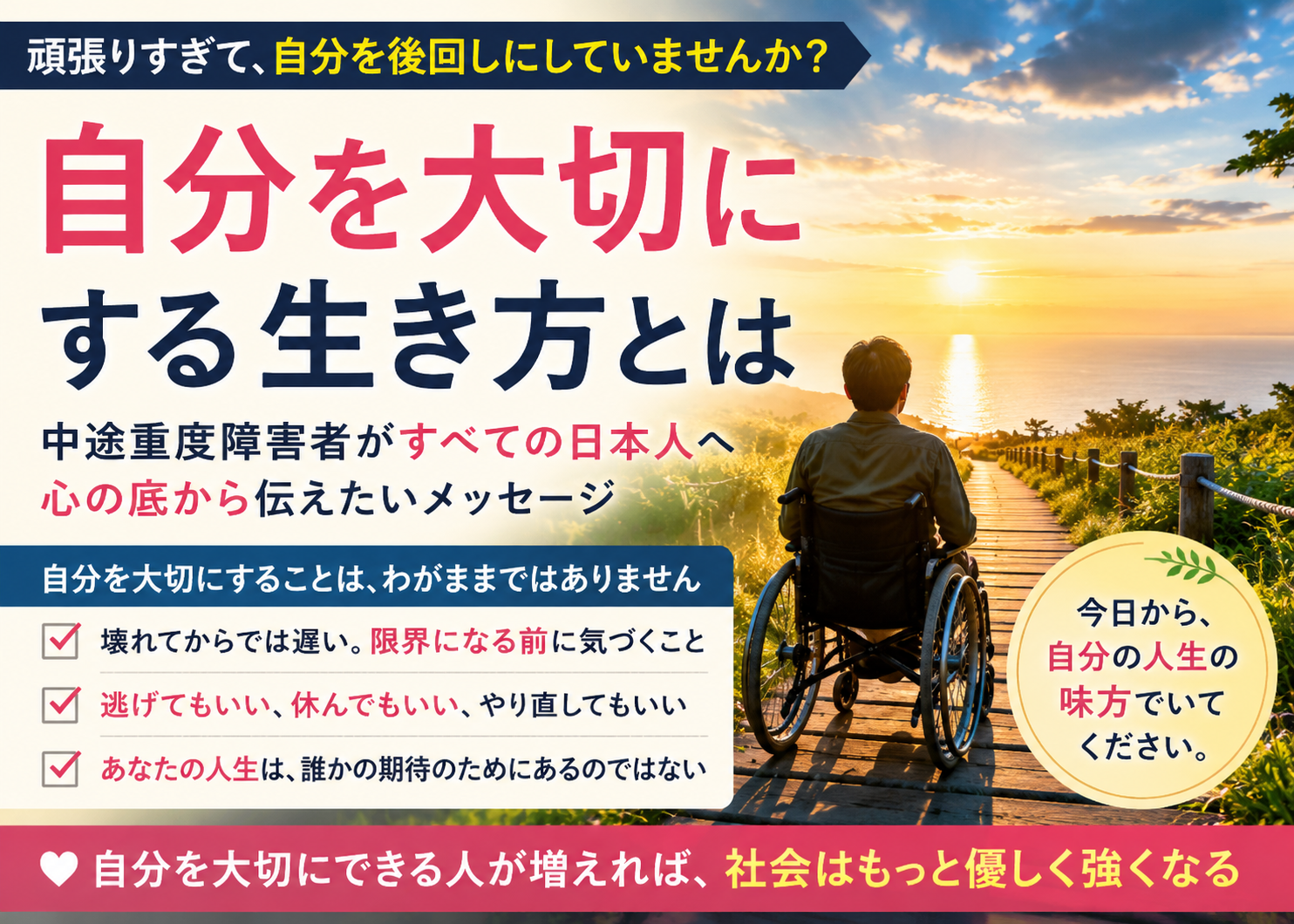
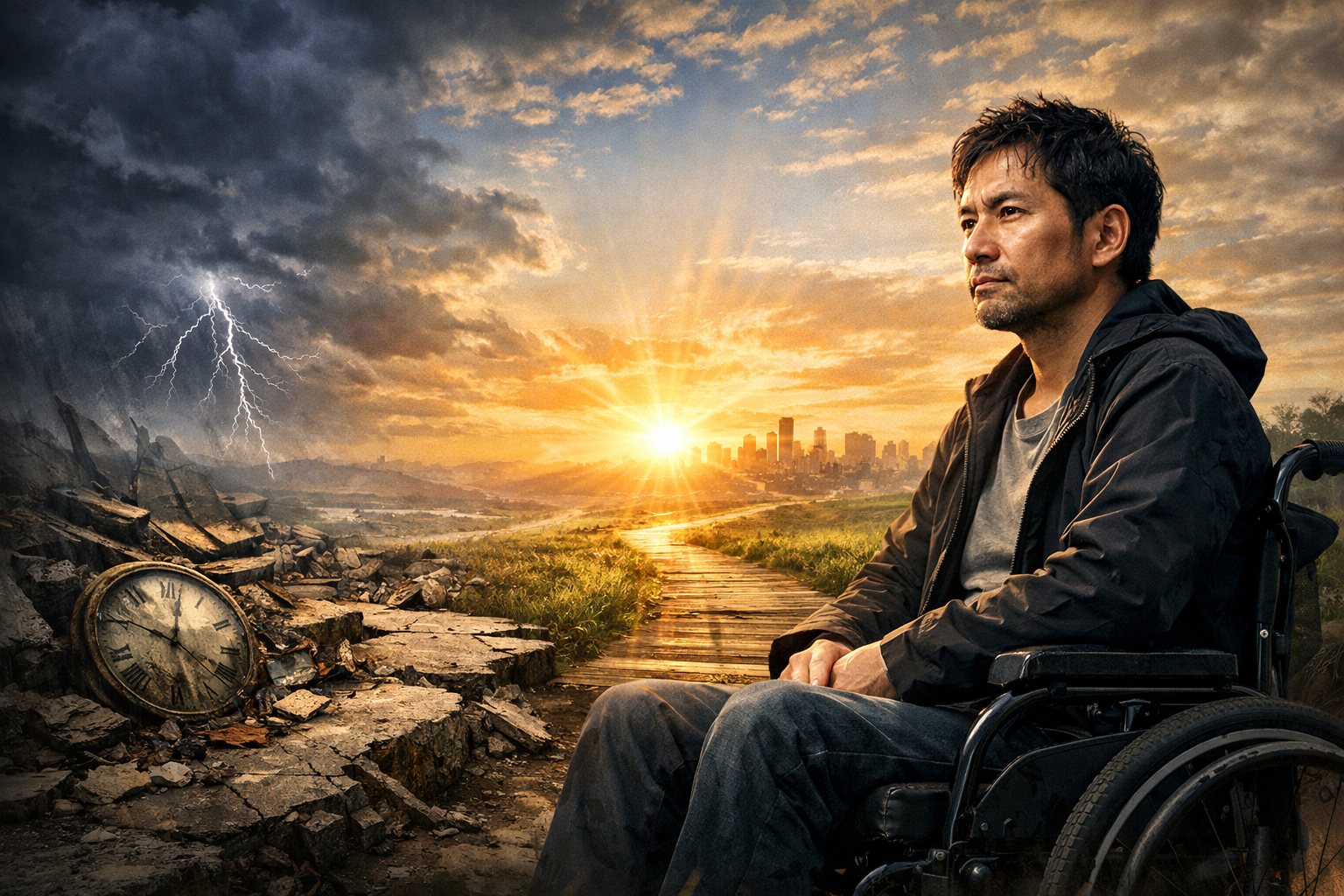
As someone who became severely disabled later in life, I suddenly found myself in a position where I was no longer economically or politically advantaged.
This article explores the tension between these two foundational systems through the lens of personal experience and social observation.
Chapter 1 | Capitalism: A System That Accepts Inequality
The Logic of Capitalism and Competition
Capitalism thrives on the belief that those who work hard are rewarded.
Freedom of choice, open markets, and merit-based rewards—these are its ideals.
But what happens when people can’t even reach the starting line?
Inequality Isn’t an Accident—It’s Built-In
- Family background
- Access to education
- Geographic disadvantages
- Gender and disability
These are structural disadvantages built into the system.
As a disabled person, I’ve seen firsthand how the freedom to compete is often not extended to everyone.
Yet, we are all measured by the same outcomes.
Chapter 2 | Democracy: Equal Votes, Unequal Access
The Ideal: One Person, One Vote
Democracy is supposed to be a system where everyone participates equally.
The concept of “one person, one vote” is deeply empowering—on paper.
The Reality: Many Can’t Participate Fully
- Seniors and disabled people who can’t access polling stations
- Citizens who lack digital or political literacy
- People too overwhelmed by survival to care about politics
I’ve personally struggled to vote due to complex procedures and mobility issues.
When a system exists but is too difficult to use, it fails in practice—no matter how fair it looks on paper.
Chapter 3 | Where Capitalism and Democracy Collide
Capitalism Expands Gaps; Democracy Ignores Them
SystemCapitalismDemocracyCore ValueFreedom & CompetitionEquality & ParticipationResultEconomic InequalityEqual Voting RightsBlind SpotDisadvantaged excluded from competitionNot all can access or use their vote equally
To function together, these systems require one key condition:
Everyone must be guaranteed a minimum standard of living and the opportunity to participate.
Chapter 4 | Populism and the Crisis of Democracy
Populism is rising globally.
Behind it lies the disillusionment of people left behind by globalization and widening inequality.
The wealthy influence politics through lobbying and media power.
Ordinary citizens, especially the poor and marginalized, often lack the channels to make their voices heard.
As democracy weakens, extreme ideologies emerge and fill the vacuum.
This isn’t just happening overseas—it’s already visible in Japan as well.
Chapter 5 | Beyond Vote Disparity: Hidden Forms of Inequality
Much attention is paid to vote disparity (urban vs rural population imbalances), but even more insidious are the invisible gaps:
- Information access inequality
- Political literacy gaps
- Participation fatigue from daily survival
Unless these unseen inequalities are addressed, democracy remains performative, not participatory.
Chapter 6 | Can We Fix This? Rebuilding from the Margins
As someone who lives in the cracks of the system, I’ve come to see potential solutions.
Practical Ideas for Reform
- Digitize and simplify voting so that more people can participate
- Consider basic income policies to ensure everyone has a stable foundation
- Improve political education at schools and workplaces
- Create forums where marginalized voices are genuinely included in policy-making
These aren’t idealistic dreams—they’re the minimum needed to bring systems back in touch with reality.
Conclusion | Who Is This Society Really For?
Capitalism permits inequality.
Democracy promises equality.
When these two systems coexist without adaptation, they inevitably break down somewhere.
As a severely disabled person, I live within those cracks.
But because I live there, I can see what many can’t.
I see how many fall silently through those gaps, unheard and unseen.
If this blog helps you pause and think,
If it nudges you to believe your vote matters,
Then I’ve succeeded.
Because hope isn’t naive—
It’s the most rational act we can commit to in a society that often forgets its own weakest members.
Let’s not give up yet.
We all deserve a future that includes us.














コメントを残す