SEO Meta Description (within 155 characters) As Japan faces population decline and economic stagnation, will electricity demand really decrease? A deep, dual-perspective analysis on the future of hydropower.
Primary SEO Keywords (naturally included)
- Japan population decline electricity demand
- Future of hydropower
- Renewable energy
- Small-scale hydropower regional revitalization
- Infrastructure aging countermeasures
- Changing electricity consumption patterns
- Disabled people and social infrastructure
Introduction | Rethinking Electricity in a Life Sustained by It
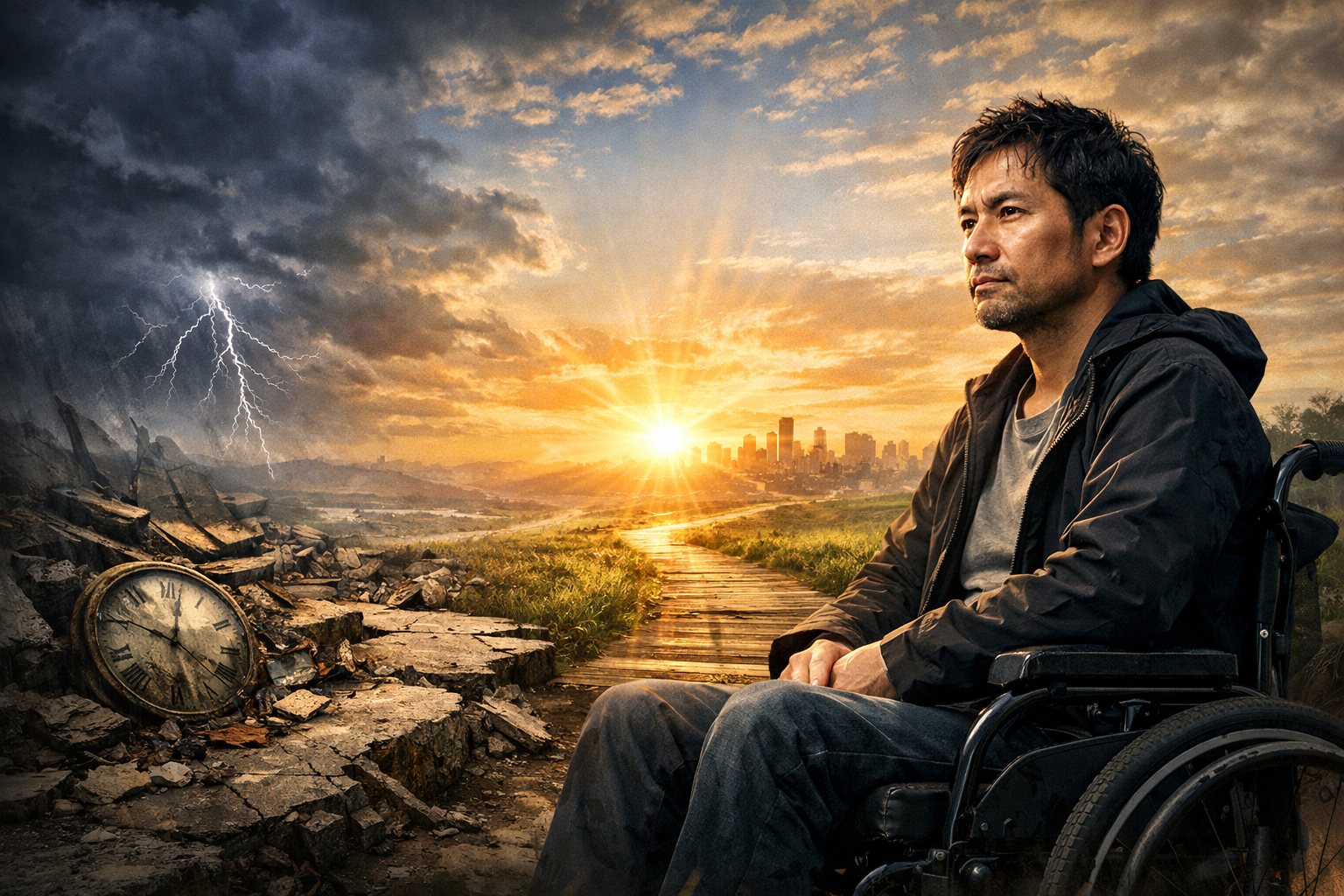
As someone who acquired a severe physical disability mid-life, I rely on 24/7 medical devices, electric beds, and communication tools—all powered by electricity.
This is why Japan’s population decline and economic stagnation make the future of electricity a life-or-death matter for me.
This blog explores the questions: “Will electricity consumption really decrease?” and “Is there a future for hydropower?” through both optimistic and sobering lenses.
Chapter 1 | Does Population Decline and Economic Stagnation = Reduced Electricity Demand?
Japan’s total population fell below 124 million in 2023, as low birthrates and aging progress. A common assumption is that a smaller population means less consumption, and thus lower electricity demand.
However, in reality, household electricity use has remained relatively flat due to factors such as the spread of energy-efficient appliances, the rise in remote work, and increased use of medical and caregiving devices.
Furthermore, the digitalization of society has created new electricity demands in industry and public infrastructure. Thus, changes in consumption styles are transforming the structure of electricity demand.
Chapter 2 | Shifts in Consumption and the Expansion of Invisible Demand
Electricity demand cannot be accurately measured by simply multiplying population by per capita usage. What matters more is how electricity is used.
- Growth of data centers
- Spread of electric vehicles (EVs)
- Increased home medical devices due to aging
- Cold-chain logistics requiring refrigeration technology
These are drivers of demand that persist or even grow despite population decline.
In the coming era, fields like IoT, AI, and robotics will further boost electricity usage, making it hard to claim that energy-saving alone will lead to lower demand.
Chapter 3 | The Bright Side | Possibilities Opened by Renewables and Distributed Energy
Renewable energy expansion offers rays of hope for a brighter energy future.
1. Diversifying Renewables
Solar, wind, geothermal, and hydropower are being reevaluated as stable renewable sources.
2. Distributed Energy Systems
With smart grids, surplus energy from rural areas can be efficiently delivered to urban centers.
3. Community-led Energy Policies
Small hydropower projects and local energy co-ops are progressing hand in hand with regional revitalization.
Chapter 4 | The Harsh Side | Infrastructure Aging and the Trap of Societal Apathy
However, harsh realities demand attention.
- Aging of dams and power facilities
- Rising maintenance costs
- Labor shortages (aging engineers)
- Diminishing public interest in energy infrastructure
These structural vulnerabilities jeopardize not only renewable expansion but even the maintenance of existing infrastructure.
We must also tackle disaster readiness and cybersecurity risks.
Chapter 5 | The Present State of Hydropower: Reasons for Revaluation and Challenges
Hydropower accounts for about 8% of Japan’s electricity. Its strength lies in stable output, but issues remain.
Merits:
- Renewable and zero CO2 emissions
- Pumped storage adds energy storage capacity
- Resilient during earthquakes and disasters
Demerits:
- Environmental damage from dam construction
- Sediment buildup reducing efficiency
- Legal restrictions (river laws, water rights)
- High construction and maintenance costs
Thus, the gap between hydropower’s ideals and its realities must be bridged.
Chapter 6 | Local Collaboration and the Future of Small Hydropower
Small hydropower is gaining attention. Its key traits:
- Uses irrigation channels and agricultural water systems
- Meets local energy needs even on a small scale
- Operated by local residents, governments, and nonprofits
- Revenue and electricity are reinvested in the community
This model is a realistic solution to both population decline and renewable expansion in rural areas.
Success stories include Nagano, Toyama, and Gifu prefectures.
Chapter 7 | The Meaning of Electricity Infrastructure from a Disabled Perspective
Without electricity, I cannot survive. From medical care to daily living and digital communication, my life depends on power.
Though electricity may seem a given in Japan, disasters and blackouts reveal how fragile that assumption is.
Hydropower, with its disaster resilience and regional grounding, is critical.
For disabled people, electricity is not just infrastructure—it’s a foundation of life. Society must recognize and act on this truth.
Conclusion | The Power and Responsibility to Change the Future
Yes, Japan’s population is shrinking. Yes, the economy may stagnate. But this era gives us the freedom to choose anew.
The question isn’t whether electricity demand will decrease. It’s how we use, produce, and deliver energy that shapes the future.
Hydropower, once considered old tech, could be the energy that sustains a future of inclusive living.
The responsibility to shape the future doesn’t rest with others. It rests in the choices and actions of each of us.












コメントを残す