SEO Meta Description (within 155 characters)
With rising concerns about a rice shortage, Japan must reflect on its food culture and values. A deep dive into Niiname-sai reveals the heart of gratitude.
Table of Contents
Introduction | Why Does Rice Soothe the Japanese Soul?
Chapter 1 | Is a Rice Shortage Really Coming? Climate, War, and Agricultural Decline
Climate Change and the Threat to Japanese Rice
Fertilizer Costs and the Collapse of Small Farms
Declining Self-Sufficiency and National Food Security
Chapter 2 | What Is Niiname-sai? A Sacred Relationship Between Rice and the Japanese People
The Meaning and History of Niiname-sai
The Emperor and the Rice Harvest
Ise Shrine, Izumo Taisha, and the Spread of the Ritual
Chapter 3 | Do You Know the True Meaning of “Itadakimasu”?
Acknowledging Life Through Words
The Ethics of Rice: Household Shrines and “No Grain Left Behind”
Chapter 4 | Eating and Praying with a Disability
Relying on Others Just to Eat
Feeling the Lives Behind a Single Grain of Rice
Chapter 5 | What the Rice Shortage and Niiname-sai Ask of Modern Japan
A Culture Centered on Rice Is Still Alive
Bringing Prayer Back into Everyday Life
Conclusion | A Country That Prays over a Grain of Rice Still Has a Future
Introduction | Why Does Rice Soothe the Japanese Soul?
The smell of freshly cooked rice often brings an unexplainable sense of peace.
For many in Japan, this is not just nostalgia—it’s something deeply rooted in cultural identity.
Yet today, concerns about a rice shortage in Japan are growing. Climate anomalies, geopolitical turmoil, and declining agriculture are shaking the very foundations of the Japanese diet. In this context, there is one ritual we must revisit—Niiname-sai, the ancient Shinto thanksgiving ceremony for the rice harvest.
This blog explores the profound meaning of rice and gratitude in Japan, especially as we face an uncertain food future.
Chapter 1 | Is a Rice Shortage Really Coming? Climate, War, and Agricultural Decline
Climate Change and the Threat to Japanese Rice
Heatwaves, long rainy seasons, and increasingly violent typhoons are threatening rice cultivation across Japan.
Yield and quality are declining due to immature grains and crop diseases, revealing the fragility of rice farming in a changing climate.
Fertilizer Costs and the Collapse of Small Farms
The war in Ukraine has caused a global spike in fertilizer prices.
Japan, heavily reliant on imports for nutrients like phosphorus and potassium, is seeing small farmers struggle or give up planting altogether.
Declining Self-Sufficiency and National Food Security
As Japan’s aging farming population declines, so does the nation’s self-sufficiency rate.
Rice, once the most secure part of the food supply, is no longer guaranteed.
Food security in Japan is under real threat.
Chapter 2 | What Is Niiname-sai? A Sacred Relationship Between Rice and the Japanese People
The Meaning and History of Niiname-sai
Held annually on November 23, Niiname-sai is a ceremony where the Emperor offers newly harvested rice to the gods and eats it himself in a sacred act of thanksgiving.
This day is now also observed as Labor Thanksgiving Day, though few know its origin lies in this harvest ritual.
The Emperor and the Rice Harvest
According to Shinto mythology, the sun goddess Amaterasu gifted rice to the people of Earth through her grandson Ninigi.
Thus, the Emperor of Japan is seen not only as a national figurehead but as the ritual leader who prays for the prosperity of all through rice.
Ise Shrine, Izumo Taisha, and the Spread of the Ritual
Niiname-sai is not limited to the Imperial Court.
Major shrines like Ise Jingu and Izumo Taisha also conduct ceremonies thanking the gods for rice.
The ritual’s reach across Japan represents a shared spiritual connection to food and agriculture.
Chapter 3 | Do You Know the True Meaning of “Itadakimasu”?
Acknowledging Life Through Words
“Itadakimasu,” spoken before meals in Japan, is more than a polite custom.
It expresses deep gratitude for the lives—plant, animal, and human—that make a meal possible.
This cultural phrase is a prayer embedded in daily life—a concept beautifully aligned with Niiname-sai.
The Ethics of Rice: Household Shrines and “No Grain Left Behind”
In traditional Japanese homes, rice was offered daily to household shrines.
Children were taught to never leave even a single grain of rice, as it symbolized not just food, but the sacred.
These teachings echo the moral core of Niiname-sai: that eating is a sacred act tied to the cycle of nature and life.
Chapter 4 | Eating and Praying with a Disability
Relying on Others Just to Eat
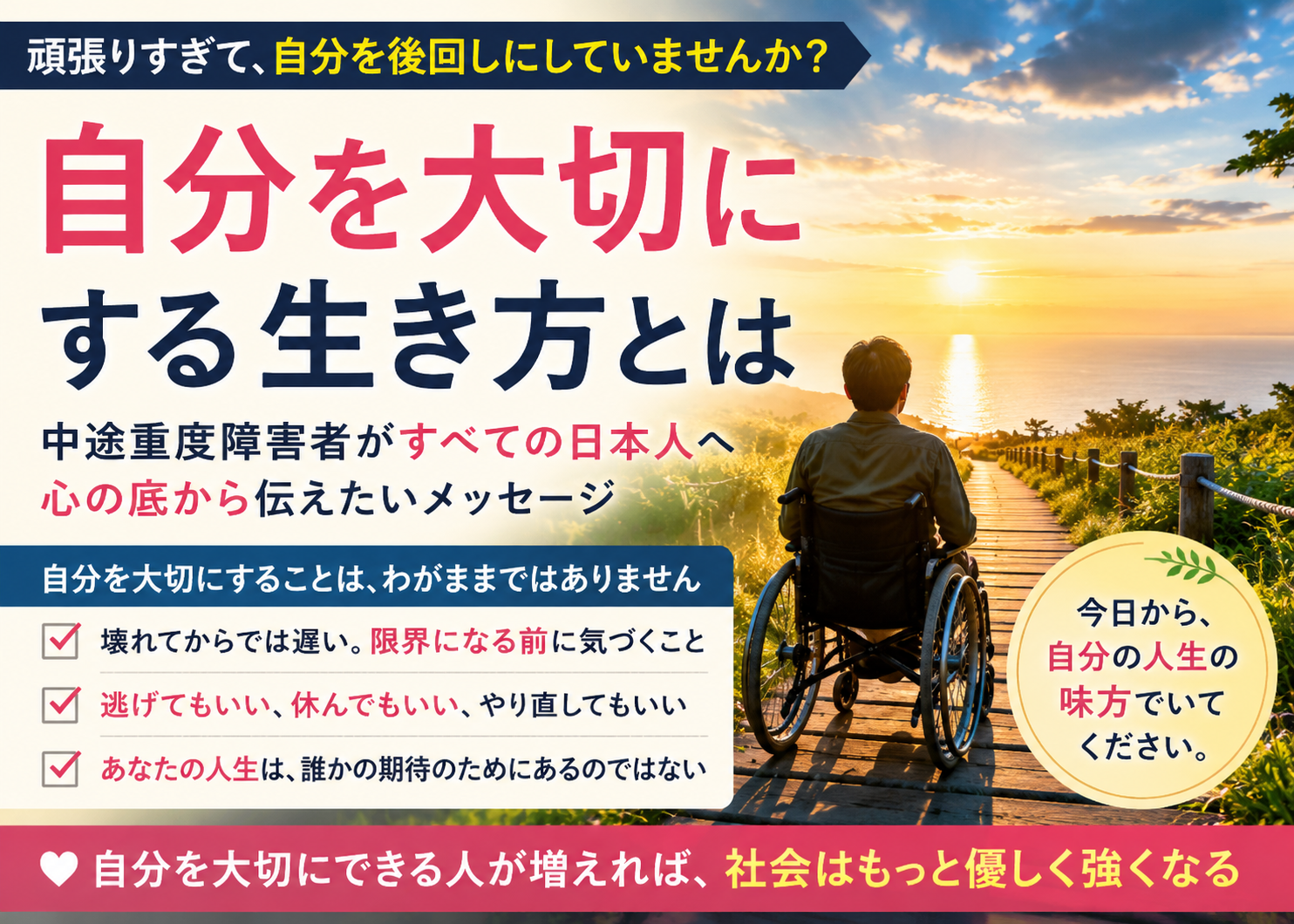
As someone who became severely disabled in mid-life, I can no longer eat without help.
Every spoonful requires someone else’s hand.
But through that dependence, I’ve come to truly understand the meaning of gratitude and prayer in eating.
Feeling the Lives Behind a Single Grain of Rice
One day, as I was slowly eating a rice ball someone made for me, I was suddenly overwhelmed.
This grain of rice had passed through the hands of so many—farmers, transport workers, cooks, caregivers.
I began to cry, realizing that this humble food carried countless unseen prayers and efforts.
Chapter 5 | What the Rice Shortage and Niiname-sai Ask of Modern Japan
A Culture Centered on Rice Is Still Alive
From onigiri and ochazuke to the crispy bottom of a rice pot, rice is more than food in Japan.
It’s memory, comfort, and identity.
Niiname-sai reminds us that a rice-based culture is not outdated—it’s essential.
Bringing Prayer Back into Everyday Life
Niiname-sai is not just a Shinto ritual—it’s an invitation to live more thoughtfully.
Every “itadakimasu” we say is a modern form of that same prayer.
Daily gratitude is the seed of resilience.
Conclusion | A Country That Prays over a Grain of Rice Still Has a Future
The looming rice shortage challenges Japan to rediscover what truly matters.
It’s not just about adjusting agricultural policy.
It’s about reviving a culture of respect for food, for nature, and for each other.
Niiname-sai, when viewed not as a relic but as a compass, can help guide Japan through uncertainty.
As someone who must rely on others just to eat, I say with deep conviction:
A nation that values one grain of rice,
That says “thank you” before every meal,
Is a nation that still has hope.
Let us say “Itadakimasu” today, not out of habit,
But out of deep, living gratitude.
ご希望に応じて、この英語記事のWordPress向け最適化(スラッグ設計・構造化データ・内部リンク設計)、英語SNS投稿文やサムネイル用キャッチコピーなどもご提供可能です。必要であればお知らせください。
















コメントを残す