A Husband’s Reflection on His Type 1 Diabetic Wife Being Assigned to a COVID Ward Without Consent
Meta Description (SEO-Optimized, 155 characters):
A nurse with type 1 diabetes was assigned to a COVID ward without consultation. Is this a violation of duty of care? A powerful blog raising critical questions.
Main SEO Keywords (naturally included):
- Duty of care for nurses
- Type 1 diabetes in healthcare
- Rural medical system collapse
- COVID nurse assignments
- Nurse shortage in Japan
- Healthcare workers’ safety
- Ethical labor practices in healthcare
Table of Contents
- Introduction: She Continues to Serve, Despite It All
- Chapter 1: The Duty of Care Violated
- Chapter 2: “Passion Exploitation” and Systemic Collapse
- Chapter 3: Rural Healthcare and National Policy Failure
- Chapter 4: Leaving the Job Is Not Giving Up
- Conclusion: This Is Everyone’s Problem
- Call to Action: Share and Support Change
<a name=”intro”></a>
Introduction: She Continues to Serve, Despite It All
My wife is a nurse at a rural acute-care public hospital. She has type 1 diabetes—a serious autoimmune condition—and yet she continues to serve patients with dedication.
One day, she told me this:
“They put me in the COVID ward again. No one asked. But what can I do? There’s no one else.”
Shortly afterward, she became infected with COVID-19.
As her husband, I was speechless. She was on the front lines protecting lives, yet her own life wasn’t protected. That contradiction fills me with both rage and helplessness.
<a name=”chapter1″></a>
Chapter 1: The Duty of Care Violated
Under Japan’s Labor Contract Act (Article 5), employers have a legal obligation to protect workers’ life, health, and safety.
Yet my wife’s case raises disturbing questions:
- Her high-risk health condition was well known
- No consent or prior discussion took place
- There was no effective protection or follow-up care
This may constitute a serious breach of duty of care.
She was treated not as a person with vulnerabilities, but as a disposable resource in a strained system.
<a name=”chapter2″></a>
Chapter 2: “Passion Exploitation” and Systemic Collapse
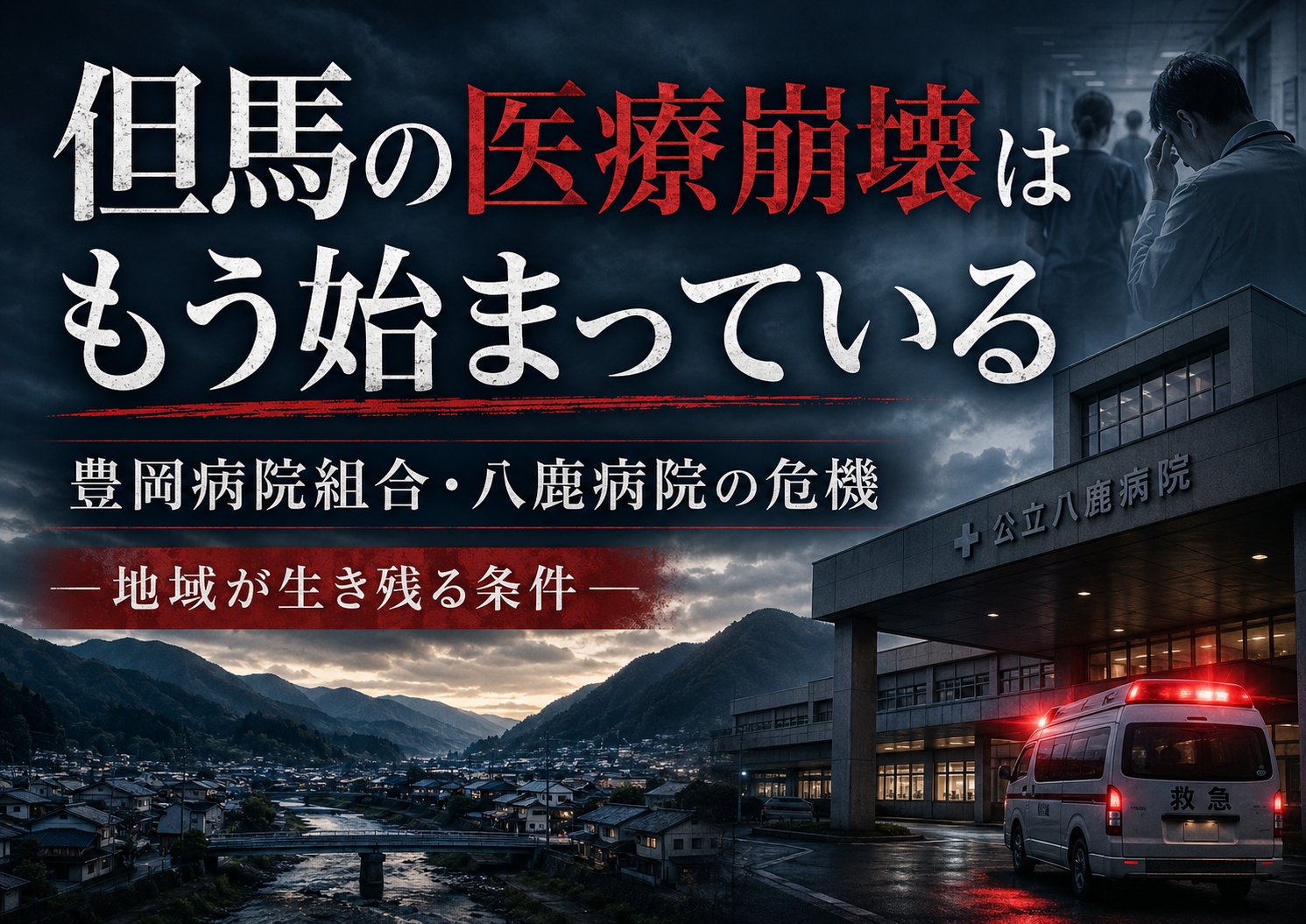
The Japan Nursing Association reported that nurse resignations in rural areas increased again in 2024. New hires fell short, and the system is on the verge of collapse.
Why are nurses quitting in rural areas?
- Low pay and poor working conditions
- Unpaid overtime and weekend committee meetings
- Lack of rest or mental health support
Emotional manipulation through “nobility”
- “You’re needed.”
- “Without you, we can’t keep going.”
- “Think of the patients.”
These words become emotional chains, disguising exploitation as compassion.
This is not just burnout. It is a systematic betrayal of professionals who save lives.
<a name=”chapter3″></a>
Chapter 3: Rural Healthcare and National Policy Failure
“Try harder.”
“Be creative.”
These phrases don’t help anymore. The system is not merely inefficient—it is broken.
- Severe depopulation and aging communities
- Unequal distribution of doctors and nurses
- Financial cuts in healthcare funding
What is happening now is no longer an issue of individual hospitals. It is a national-level crisis in Japan’s healthcare system.
We need policy reform—not just more effort from exhausted staff.
<a name=”chapter4″></a>
Chapter 4: Leaving the Job Is Not Giving Up
I told my wife:
“It’s okay to leave.”
Not because she’s weak—but because her life matters, too.
She feels torn between responsibility and survival. But to protect lives, she must first protect her own.
Resigning is not surrendering. It is a declaration of dignity in a system that no longer protects her.
<a name=”conclusion”></a>
Conclusion: This Is Everyone’s Problem
This issue goes beyond nurses.
- What if your partner was in this position?
- What if you had a health condition and were assigned dangerous duties?
- What if your local hospital shut down due to staff shortages?
This is not someone else’s problem. This is about all of us.
Let’s not ignore this.
Let’s not let healthcare heroes fade into silence.
Let’s raise our voices for a system that protects those who protect us.
<a name=”call”></a>
Call to Action: Share and Support Change
If you:
- Have family in healthcare
- Know someone working with a chronic illness
- Care about the future of public health in rural Japan
Then please share this.
Tweet. Repost. Send it to your local representatives. Talk about it. Translate it. Print it.
The silence around this issue is not passive. It is dangerous.
Together, we can amplify what matters.













コメントを残す