Meta Description (for SEO, under 155 characters)
Neither pro-nuclear nor anti-nuclear—this reflective blog explores why we still need nuclear energy, especially from the viewpoint of a person with a severe disability.
Primary Keywords (to be naturally included in H1–H3 and the text)
Nuclear energy necessity / Limits of renewable energy / Stable power supply / Disabled person’s perspective / Decarbonization / Baseload power / Thermal power limits
Introduction | I’m Not a Nuclear Advocate
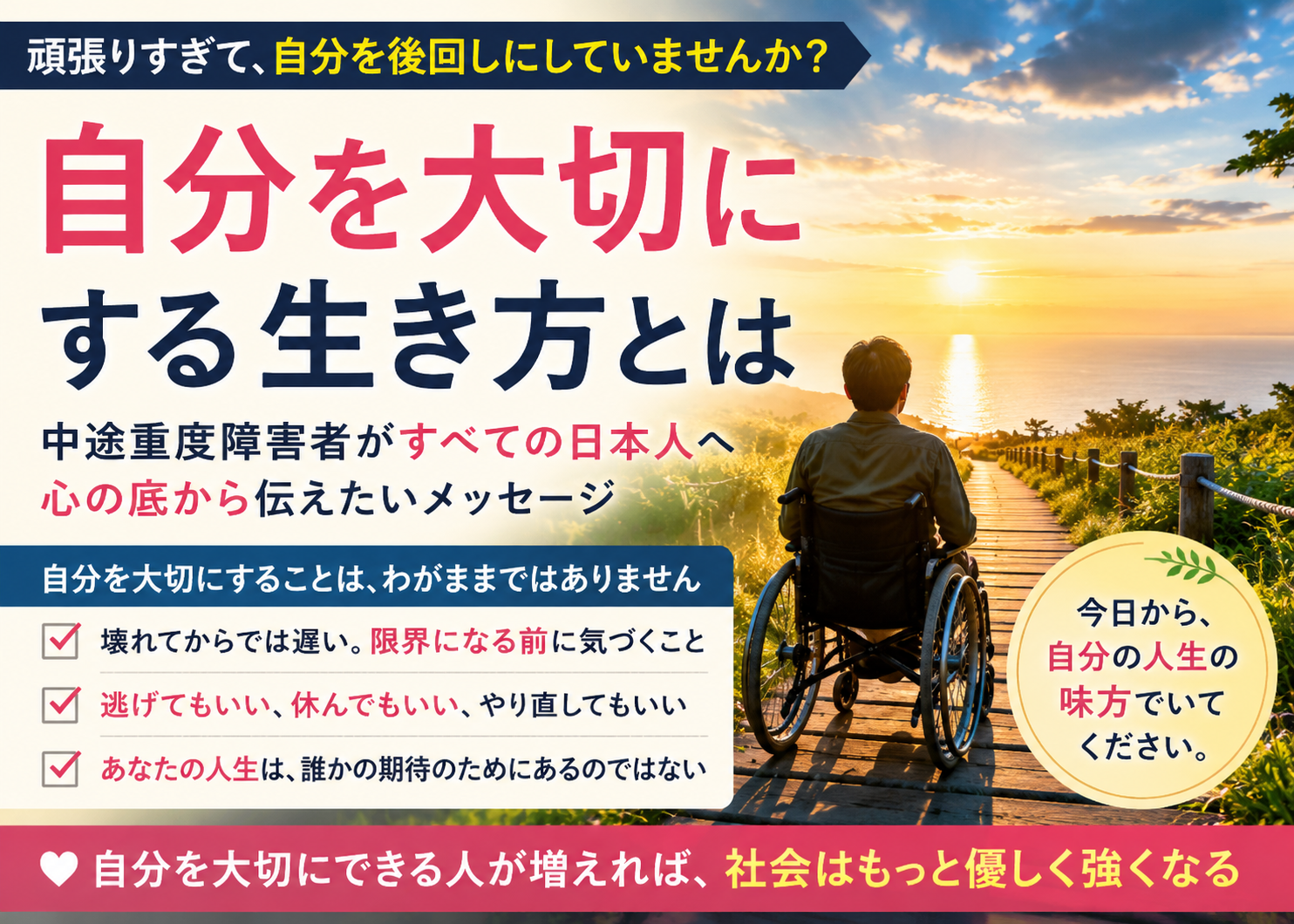
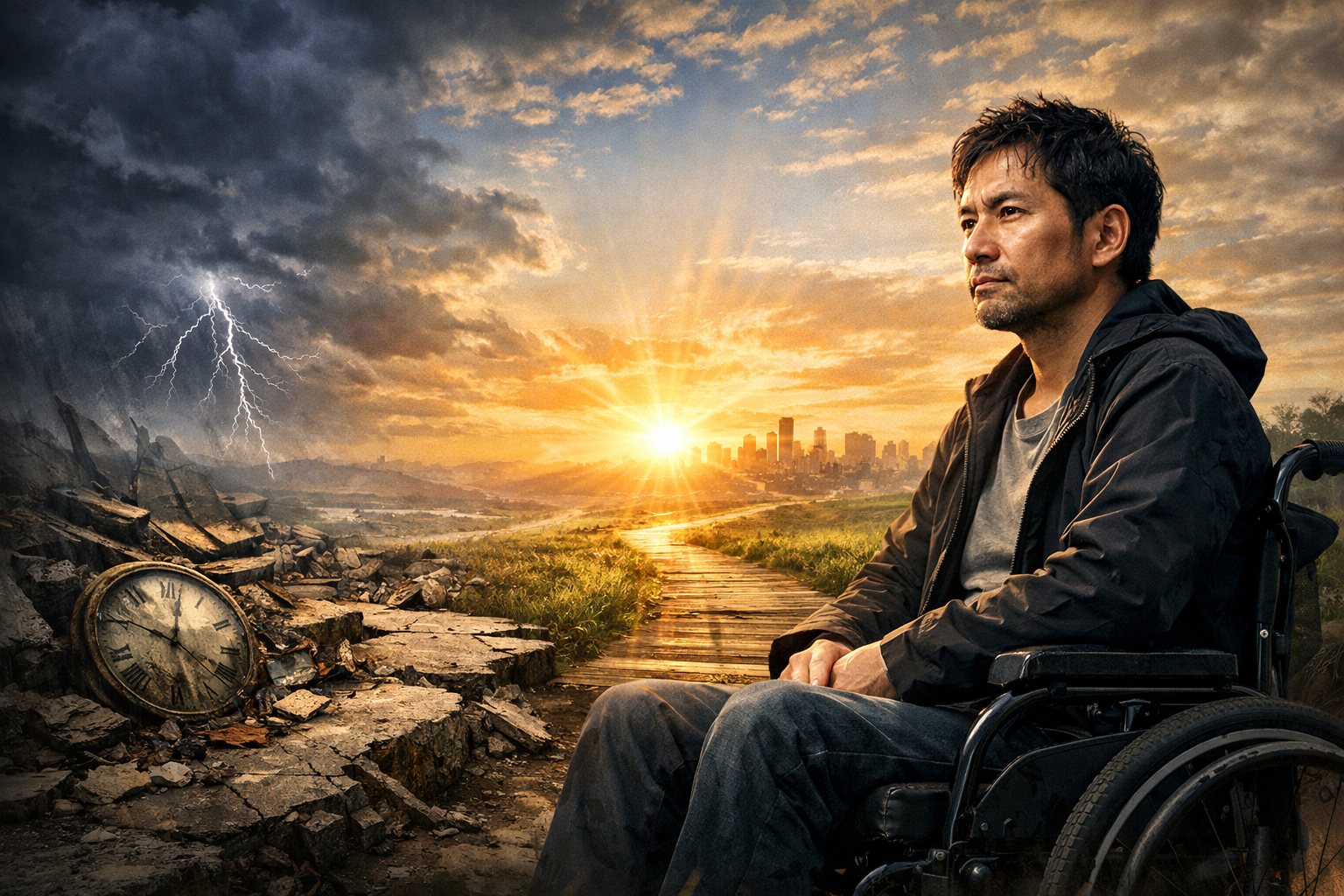
I am neither a vocal advocate for nuclear energy nor an anti-nuclear activist. After acquiring a severe disability and becoming reliant on medical devices powered by electricity at home, I’ve come to reflect deeply on what electricity means—and what infrastructure stability truly entails.
The fear and distrust following nuclear accidents are understandable. But at the same time, the reality is that without stable electricity, our lives, industries, and society cannot function. From this standpoint, I take the position that “nuclear power is necessary.”
This is not a call for promotion or praise. Rather, it is a recognition that preserving nuclear energy is an unavoidable decision for building a sustainable society.
Chapter 1 | Energy Policy Is Made Within Constraints, Not Ideals
When discussing energy policy, people often speak of ideals: a 100% renewable society, full decarbonization, a nuclear-free future. These are beautiful visions. But policy must always be crafted within constraints.
Japan’s energy self-sufficiency rate hovers around only 10%. The nation relies heavily on imported fossil fuels, leaving it vulnerable to currency fluctuations, geopolitical risks, and global price volatility. Add to this the frequent natural disasters, aging thermal plants, and instability of renewables, and it becomes clear—stable energy supply should never be taken for granted.
Chapter 2 | Renewable Energy Is Not a Cure-All
The Promise and Limitations of Renewables
Solar, wind, geothermal, biomass—renewable energy sources are often heralded as our future. But we must avoid mythologizing them. They are weather-dependent, and their output fluctuates greatly.
Storage and Transmission Challenges
Battery storage technologies are still developing and not yet capable of handling large-scale demand. Compatibility with existing grid infrastructure and regional supply-demand balancing are also problematic. While expanding renewables is essential, they alone cannot currently support Japan’s entire energy needs.
Chapter 3 | Thermal Power: Our Lifeline, But with Limits
Currently, over 70% of Japan’s electricity comes from thermal power. Its flexibility makes it a crucial complement to renewables.
However, fuels like LNG and coal are subject to extreme international price swings, and supply concerns are growing. Thermal plants also emit large amounts of CO2, clashing with climate goals.
Many of these plants are aging, and maintenance costs and workforce shortages are rising. Continued reliance on thermal power poses sustainability risks.
Chapter 4 | Four Reasons Why Nuclear Power Should Be Preserved
1. A Foundation for Stable Power Supply
Nuclear power serves as a baseload energy source, supplying steady output 24/7. This is critical for facilities like hospitals and data centers that cannot afford power interruptions.
2. A Practical Bridge to a Decarbonized Society
Nuclear plants emit little to no CO2 during operation. Amid global decarbonization efforts, even Europe is reassessing nuclear power’s role as a transitional technology.
3. Technology Inheritance and Safety Readiness
Eliminating nuclear power means losing the expertise and human capital needed for reactor management, decommissioning, and accident response. Maintaining this knowledge is essential for long-term safety.
4. Meeting Explosive Future Demand
Technologies like AI, IoT, EVs, and cloud computing will drive electricity demand through the roof. Completely eliminating nuclear from our energy mix is a risky gamble.
Chapter 5 | Restarting or Building Reactors Requires Deep Resolve
The biggest issue surrounding nuclear energy is the lack of trust. Past accidents, cover-ups, and misinformation have fueled public anxiety. Therefore, future nuclear operations must commit to radical transparency and accountability.
Additionally, restarting or constructing new reactors cannot proceed without the full understanding and agreement of local residents. Economic incentives alone are not enough—ethical and social consensus are essential. This is not just about technology or economics—it’s a core issue of democracy.
Chapter 6 | For People Like Me, Electricity Is Life
My life is closely tied to electricity. Medical devices, communication tools, air conditioning, assistive equipment—all rely on uninterrupted power.
In times of disaster, blackouts and rolling outages can be life-threatening. That’s why I take energy policy seriously—from a place of reality, not emotion.
Chapter 7 | Between Ideal and Reality, We Must Still Choose
Having ideals is important. But policy must confront reality. Before demanding zero nuclear power, we must ask what will replace it, and how.
The issue isn’t that nuclear power is dangerous—it’s how we handle it. Proper management, oversight, and responsibility are the marks of a mature society.
Conclusion | Responsibility Means Not Abandoning the Tools We Have
Yes, nuclear energy comes with risks. But ignoring it is even riskier. To possess a technology is to bear the responsibility of managing it wisely.
I don’t wish for a society fully dependent on nuclear power. But I also don’t believe in one that denies its existence entirely. What we need is the courage to accept minimal risk—and the resolve to take maximum responsibility.
From this perspective, I believe we must preserve nuclear power.












コメントを残す