Why We’re Still Drawn to a Fever We Never Experienced — A 42-Year-Old’s Reflection on Subculture and Belonging in a Mainstream World
Meta Description (SEO)
Why are people who never experienced the peak of subculture fever still fascinated by it? From the perspective of a 42-year-old person with a severe acquired disability, this piece explores the enduring spirit of subculture and what it means today.
Introduction | Why does it feel nostalgic, even though we never lived it?
There’s something strangely nostalgic about the word “subculture.”
Even though I never truly lived through the feverish days of its rise.
In the late ’90s and early 2000s, when I was a teenager, subculture had already been somewhat absorbed by the mainstream. Evangelion had become a cultural phenomenon, Haruki Murakami was a bestselling author, and niche styles were being commercialized.
And yet, I’m still drawn to it.
Why does something I never directly experienced still tug at my heart like a lost memory?
Chapter 1 | Who was subculture really for?
Subculture was originally for those who couldn’t find a place in the mainstream.
From student protest theater and underground manga to bizarre music and unaccepted ideas — these things thrived in the shadows, whispering to kindred spirits rather than shouting for recognition.
It was a culture of “if you know, you know” — a private world shared through glances and secrets.
Chapter 2 | We only know the “packaged version” of the fever
People in their early 40s like myself encountered subculture in a polished, curated form:
- “Top 10 Cult Films” from rental stores
- “Zine Legends of the ’90s” in glossy anthologies
- “GARO manga retrospectives” on YouTube
Yes, these were interesting. But they weren’t the real chaos.
What we got were edited remains of a wild party we never attended.
Chapter 3 | Why are we still so drawn to it?
So why does it continue to pull us in?
Perhaps because we, too, live on the margins.
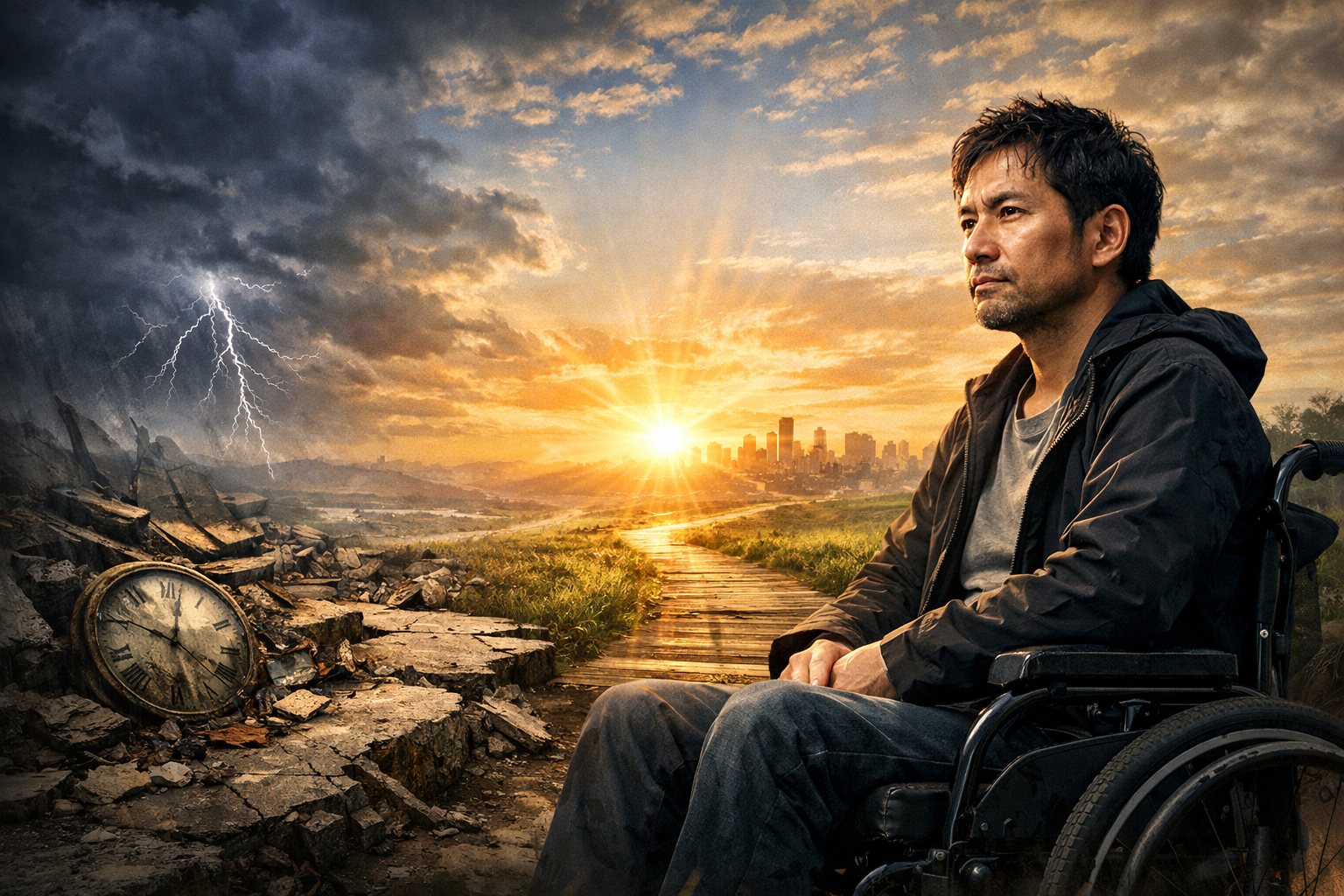
As someone with a severe acquired disability, I know what it feels like to be excluded, overlooked, and misunderstood.
Subculture offers a sense of belonging to those who’ve been pushed to the edges.
It’s a space where being “different” isn’t something to hide — it’s something to explore and express.
Chapter 4 | Subculture is not dead — it’s just harder to see
Some say subculture is dead.
But I see it differently.
- Local zine scenes in rural towns
- Expression through anonymous blogs
- Marginalized voices from LGBTQ+ and disabled communities
These aren’t trending hashtags or viral content.
But they are today’s quiet subcultures, quietly resisting the dominant narrative.
Chapter 5 | Speaking from the margins — A disabled person’s perspective
Over the past decade, I’ve carried many things I couldn’t say out loud.
As a person with a disability, I often felt expected to offer an “inspiring story,” to be relatable, palatable, and emotionally uplifting.
But that’s not always honest.
Subculture taught me that you don’t have to be understood by everyone to speak.
That there is value in what society tries to silence.
That there is meaning in being different.
This, too, is a kind of resistance — and a form of survival.
Conclusion | We didn’t know the fever — but we can start one now
We never experienced the golden era of subculture.
But that doesn’t have to be a source of shame.
In fact, maybe that distance gives us the freedom to start something new.
We don’t have to copy what came before.
We can tell our own stories, in our own voices, shaped by the reality we live in today.
Maybe that’s our role —
To light new fires, not just admire old embers.
Final Words | Do you have a story that’s never been told?
Maybe you, too, carry something unspoken.
A feeling no one else seemed to understand.
An experience that didn’t fit neatly into society’s labels.
If so, know this:
Your voice has value.
Your difference is your strength.
And the spirit of subculture — the courage to speak from the fringe — lives on in you.
















コメントを残す