Introduction: Why Is This Law Drawing Attention?
In today’s society, we interact with “information distribution platforms” every day—social media, video-sharing sites, blogs, and more. As the internet becomes an essential part of communication, serious issues like fake news, defamation, and online harassment are also increasing.
In response, the Japanese government is considering a new regulation called the Information Distribution Platform Regulation Law (tentative name). If enacted, this law could significantly affect our freedom of expression and access to information.
In this article, we’ll explore the purpose, key features, constitutional implications, and social impact of this proposed law in clear and neutral terms.
What Is the Information Distribution Platform Regulation Law?
Definition of “Information Distribution Platforms”
These platforms refer to online services where users can post, share, and spread information. Examples include:
Social media (X, Instagram, Facebook)
Video sites (YouTube, TikTok)
Blogging platforms, forums, news aggregators
They serve not only as personal communication tools but also as vital public spaces for democratic discourse.
Purpose and Content of the Proposed Law
The proposed law aims to:
Prevent the spread of fake news and online defamation
Increase platform accountability
Allow government authorities to issue deletion or improvement orders
Ensure transparency and explanation responsibilities by platform operators
Large platforms with significant user bases may be subject to stricter obligations, such as content monitoring and regular reporting.
The Relationship with Article 21 of Japan’s Constitution
What Does Article 21 Say?
This article of Japan’s Constitution guarantees freedom of expression:
Article 21:
Freedom of assembly, association, speech, press, and all other forms of expression shall be guaranteed.
No censorship shall be maintained, nor shall the secrecy of any means of communication be violated.
Balancing Freedom and Regulation
If the government gains legal authority to delete information, it risks being considered “censorship,” which is strictly prohibited. To align with constitutional principles, the law must ensure:
Clear definitions of deletable content
Protection against arbitrary decisions
Fair objection and appeal processes
Comparison with International Laws: The EU’s Digital Services Act
The Digital Services Act (DSA), implemented in the EU in 2022, offers a useful comparison. It requires large platforms to:
Take down illegal content responsibly
Provide transparency about algorithms
Submit annual reports
Allow users to appeal takedowns
Unlike enforcement-focused models, the DSA emphasizes a balance between user protection and freedom of expression, serving as a model for Japan’s legislation.
Social Impact of the Regulation Law
Potential Benefits
Reduces fake news and harmful content
Speeds up responses to online abuse
Improves platform transparency
Possible Risks
Shrinks space for open discussion
Marginalized voices (e.g., disabled people, minorities) may be suppressed
Government influence may bias platform content policies
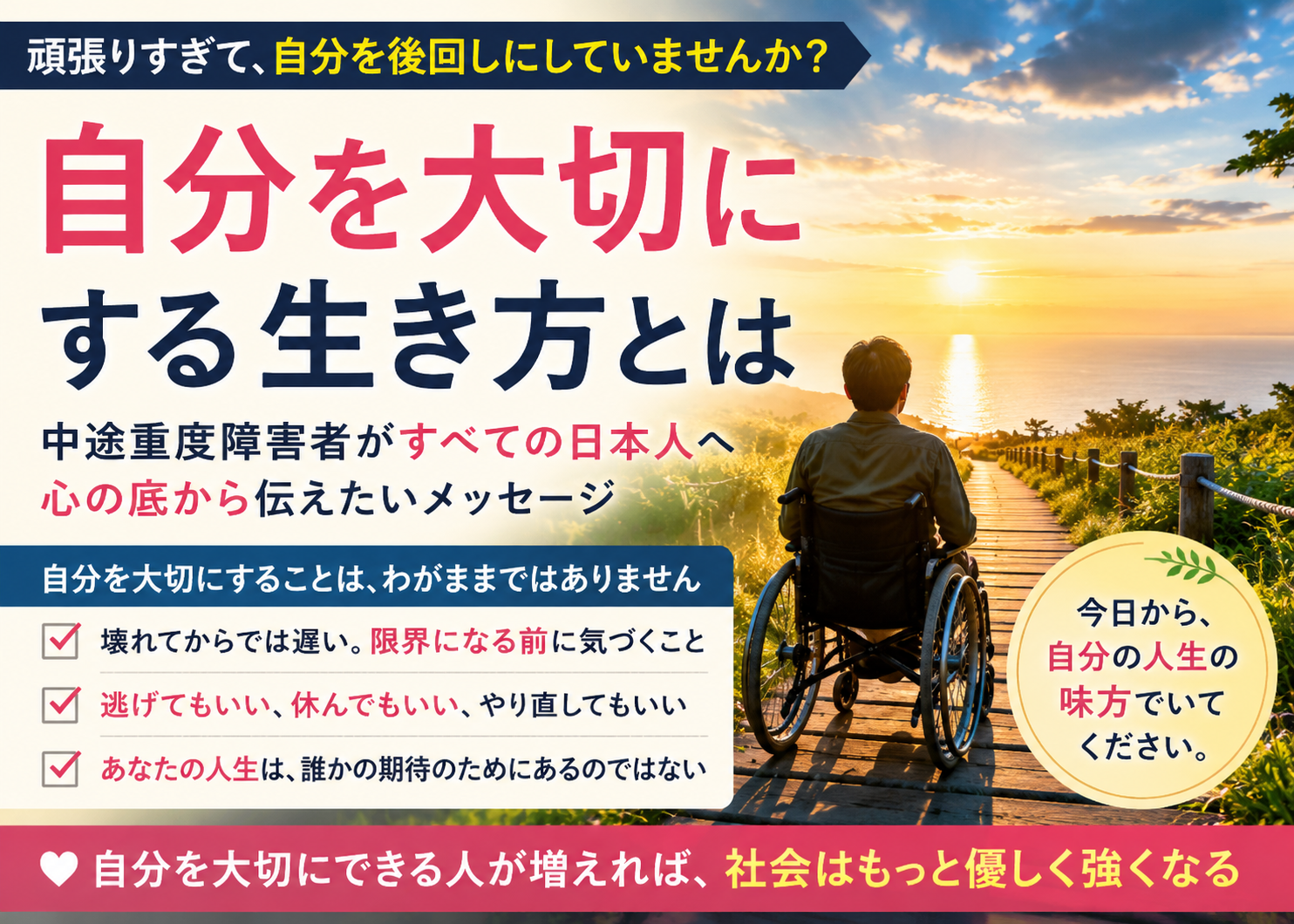
For people with disabilities or limited social participation, the internet is often the only way to share their stories. Overregulation could silence important yet uncomfortable truths.
What Should We Do as Citizens?
Whether or not the law passes, we all play a role in shaping digital society. Here’s what we can do:
Educate ourselves on freedom of expression and digital rights
Demand transparency and accountability from platforms
Monitor for any abuse of government power
Protect the right of minority voices to speak online
Conclusion: Striking a Balance Between Freedom and Responsibility
The Information Distribution Platform Regulation Law addresses a real issue in the digital age. But if poorly designed, it could undermine the very foundations of democracy.
The goal is not to create a “quiet” society—but a society where diverse opinions can coexist respectfully. It’s up to each of us to understand the implications, raise our voices, and shape a future where information flows freely and responsibly.
FAQ
Q1: When will this law take effect?
A: As of March 2025, the law is still under discussion, and no official enactment date has been set.
Q2: Will this law ban the use of social media?
A: No, but platforms may become stricter about what content is allowed.
Q3: Are there similar laws overseas?
A: Yes. The EU has the Digital Services Act, which emphasizes both regulation and user rights.
If you would like an infographic, audio version, or plain-language summary of this article, feel free to reach out.

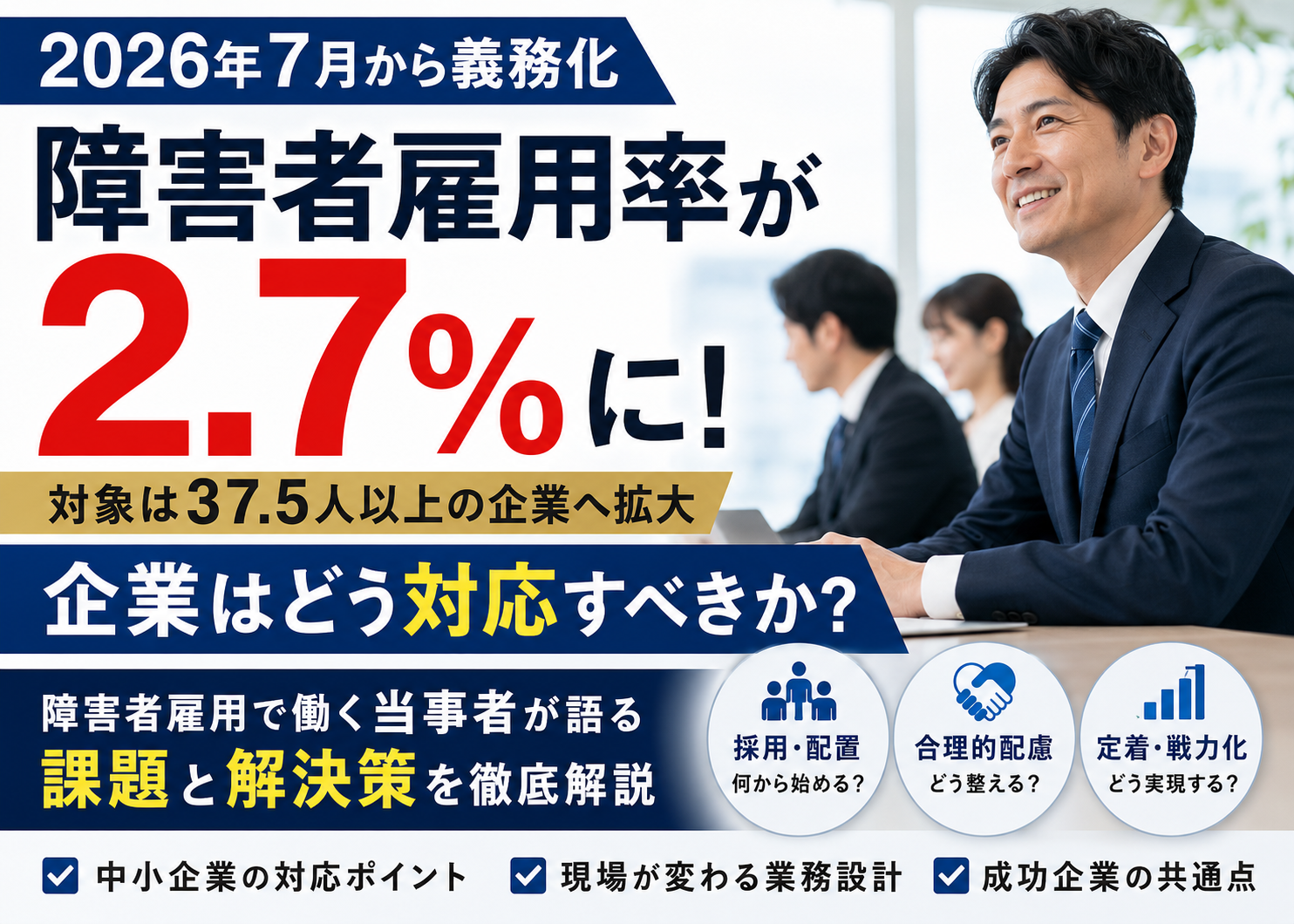
障害者雇用で「仕事を切り出す」だけでは足りない
――元課長・中途重度障害当事者が考える「人を活かす仕事の再設計」
障害者雇用で「仕事を切り出す」だけでは、本当の人材活用にはつながりません。健常者時代に課長を…
















コメントを残す