【Meta Description】
In Japan, welfare is often misunderstood as something only for the socially vulnerable. However, welfare exists for the well-being of all citizens. This article analyzes Japan’s welfare system, its challenges, and how it should evolve in the future.
【Table of Contents】
Is Welfare Really Only for the Socially Vulnerable?
The Current State of Japan’s Welfare System: The “High Burden, Medium Welfare” Dilemma
Why Welfare is Necessary for Everyone
The Risks of a Society Without Welfare
Welfare as an “Investment” | The Future of Japan’s Welfare System
How to Improve Japan’s Welfare System
Conclusion | Welfare Creates a Society Where Everyone Can Thrive
<a id=”section1″></a>
1. Is Welfare Really Only for the Socially Vulnerable?
In Japan, the belief that “welfare is only for the socially vulnerable” is deeply ingrained. However, the fundamental purpose of welfare is “to create a society where all citizens can live with peace of mind.”
Consider the following situations:
A sudden illness or accident makes it impossible to work
An aging family member requires long-term care
Financial support is needed for raising children
In these cases, welfare becomes essential. It is not just for a specific group of people—it is a system that can affect anyone at any time.
<a id=”section2″></a>
2. The Current State of Japan’s Welfare System: The “High Burden, Medium Welfare” Dilemma
Japan’s welfare system is often described as “high burden, medium welfare.”
The Reality of a High Burden Society
Social security expenditures exceed 130 trillion yen annually (as of 2022)
Most funds are allocated to healthcare, pensions, and elderly care
The working generation bears an increasing financial burden
Misconceptions About Welfare
Welfare benefits, such as public assistance, are often associated with fraud
A “welfare equals laziness” mindset fueled by self-responsibility ideology
In reality, many people in need are unable to access welfare services
These misconceptions prevent people from seeing welfare as a universal safety net.
<a id=”section3″></a>
3. Why Welfare is Necessary for Everyone
Welfare supports not just individuals but society as a whole. Here are three key reasons why it matters to everyone.
① Anyone Can Become Someone Who Needs Support
Illness, accidents, or aging can suddenly put anyone in a position where they require welfare assistance.
② Welfare Stabilizes the Economy
A well-functioning welfare system ensures a healthy workforce and improves overall productivity.
③ Welfare Helps Maintain Public Safety
When economic hardship increases, crime rates tend to rise. A robust welfare system contributes to a safer society.
<a id=”section4″></a>
4. The Risks of a Society Without Welfare
If welfare were to be significantly reduced, the following risks would arise:
Higher medical costs → People avoid going to the hospital, leading to more severe illnesses
Stricter public assistance rules → Increased poverty and higher crime rates
Reduced support for the elderly and disabled → Increased social costs in the long run
Cutting welfare might seem like a way to save money in the short term, but it ultimately leads to greater financial and social costs.
<a id=”section5″></a>
5. Welfare as an “Investment” | The Future of Japan’s Welfare System
Instead of viewing welfare as a “cost,” it should be recognized as an “investment” in the future.
For example:
Enhancing child-rearing support → Secures future labor resources
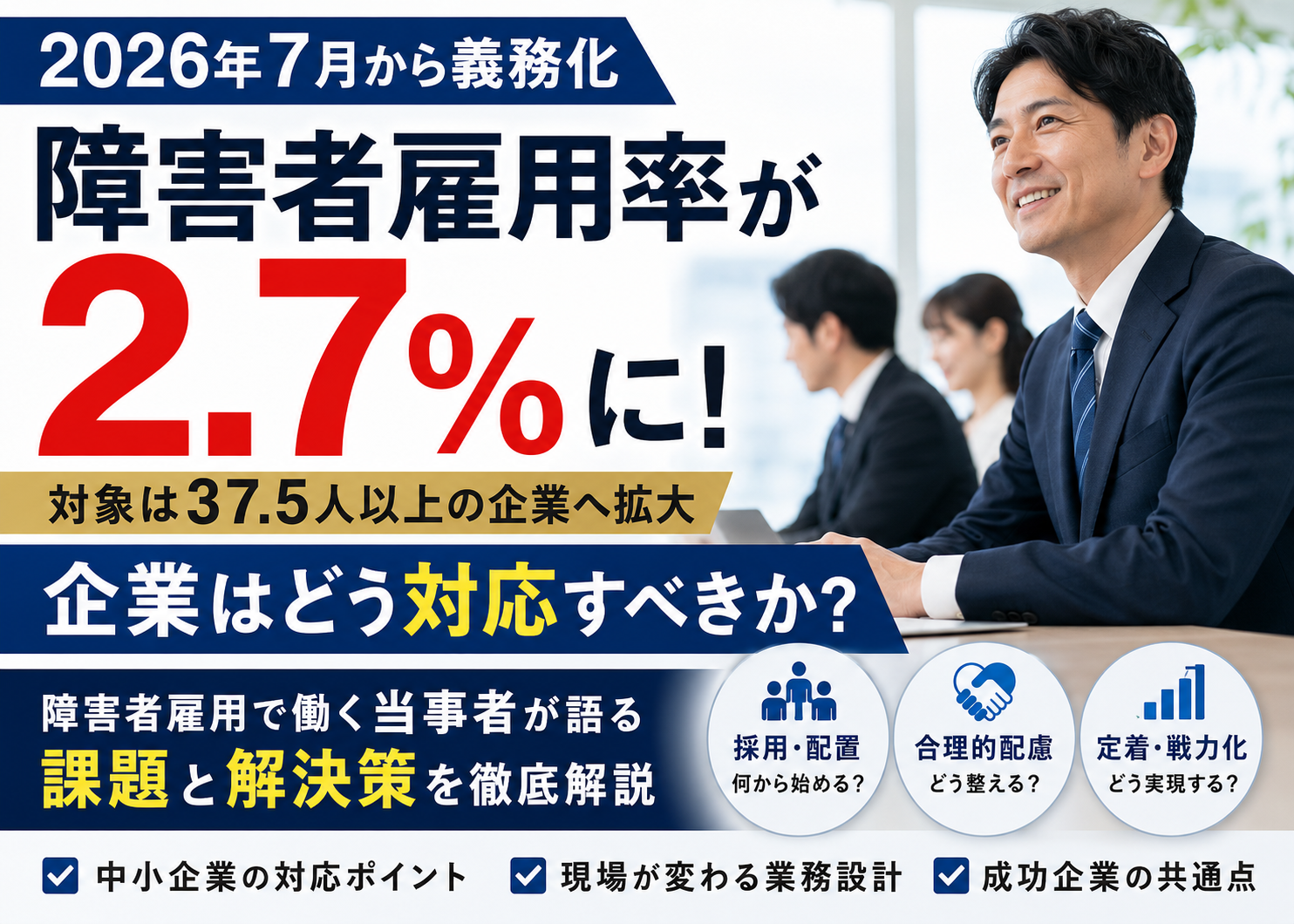
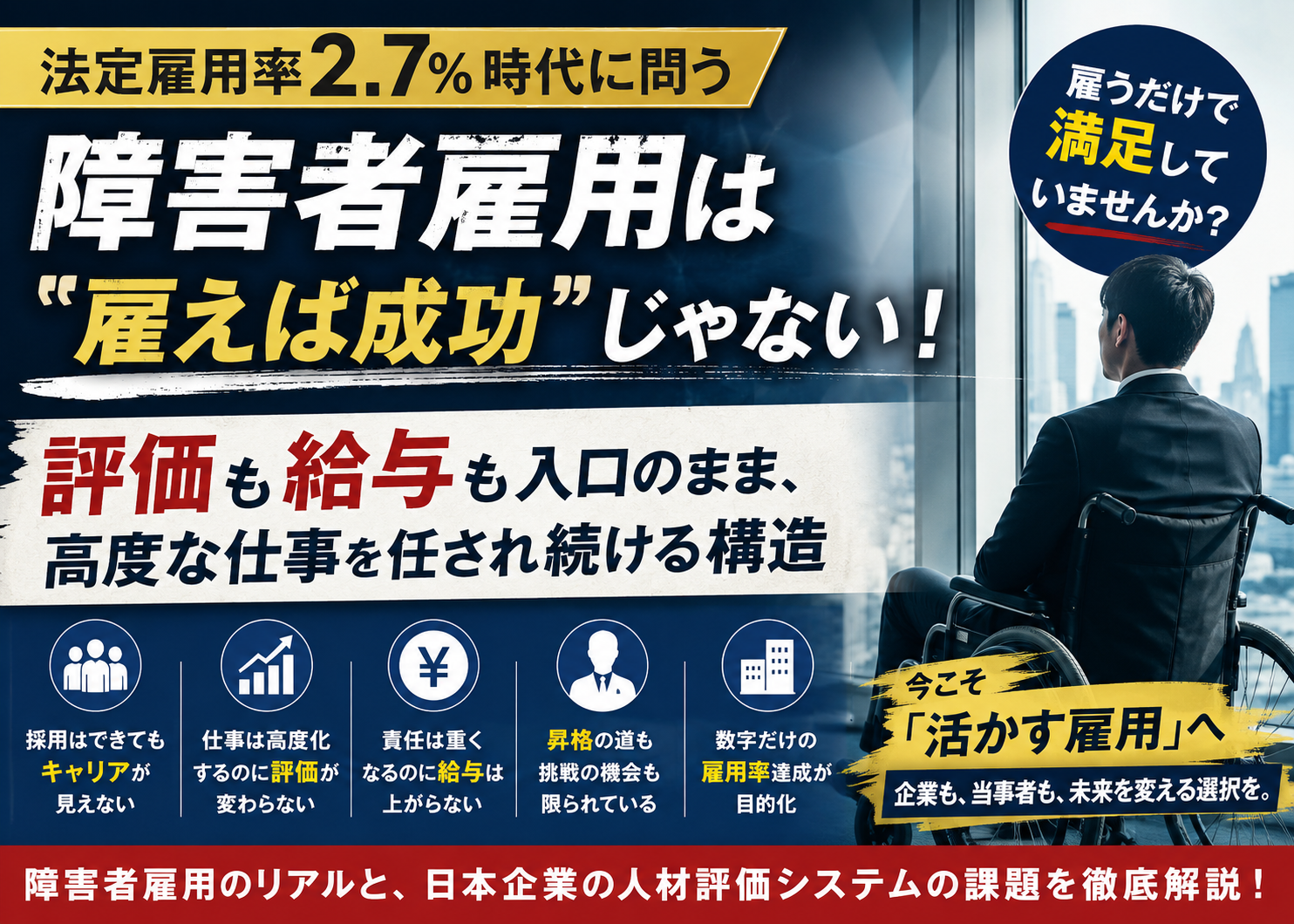
Supporting employment for people with disabilities → Increases workforce participation and tax revenue
Optimizing healthcare spending → Strengthens preventive care and extends healthy life expectancy
Welfare is a long-term investment in society’s stability and prosperity.
<a id=”section6″></a>
6. How to Improve Japan’s Welfare System
To improve welfare in Japan, the following changes are necessary:
① Making Welfare Accessible to Everyone
Welfare should not be seen as only for a select few but something everyone can use when needed.
Simplifying application processes to make it easier for people to access support.
② Encouraging a Culture of Mutual Support
Companies should adopt flexible work policies and actively promote inclusive hiring.
Strengthening community support networks to foster mutual aid.
③ Utilizing Digital Technology for Welfare Services
Expanding online applications to reduce administrative burdens.
Leveraging AI to quickly connect individuals with the appropriate welfare services.
<a id=”section7″></a>
7. Conclusion | Welfare Creates a Society Where Everyone Can Thrive
Welfare is not just about helping the needy; it is a system that ensures the well-being of the entire society.
【Key Takeaways】
✅ Welfare is not just for the socially vulnerable but affects everyone.
✅ A society without welfare faces risks such as worsening healthcare, poverty, and crime.
✅ Welfare should be viewed as an investment in Japan’s future, not just a financial burden.
✅ Reforms are needed to make welfare more accessible and efficient for all citizens.
What are your thoughts on this topic?
If you found this article insightful, please share it and leave a comment with your perspective. Let’s start a discussion on the importance of welfare!
検索
詳細なリサーチ
ChatGPT の回答は必ずしも正しいとは限りません。重要な情報は確認するようにしてください。













コメントを残す