Every time I see news about the conflict between Israel and Palestine, my heart aches. This prolonged struggle, deeply rooted in history, entangles complex issues of religion, land, and ethnicity. Yet, what hurts the most is witnessing innocent children and ordinary citizens being caught in the crossfire, paying the ultimate price. This harsh reality forces us to ask: what can we think, and what can we do in the face of such tragedy?
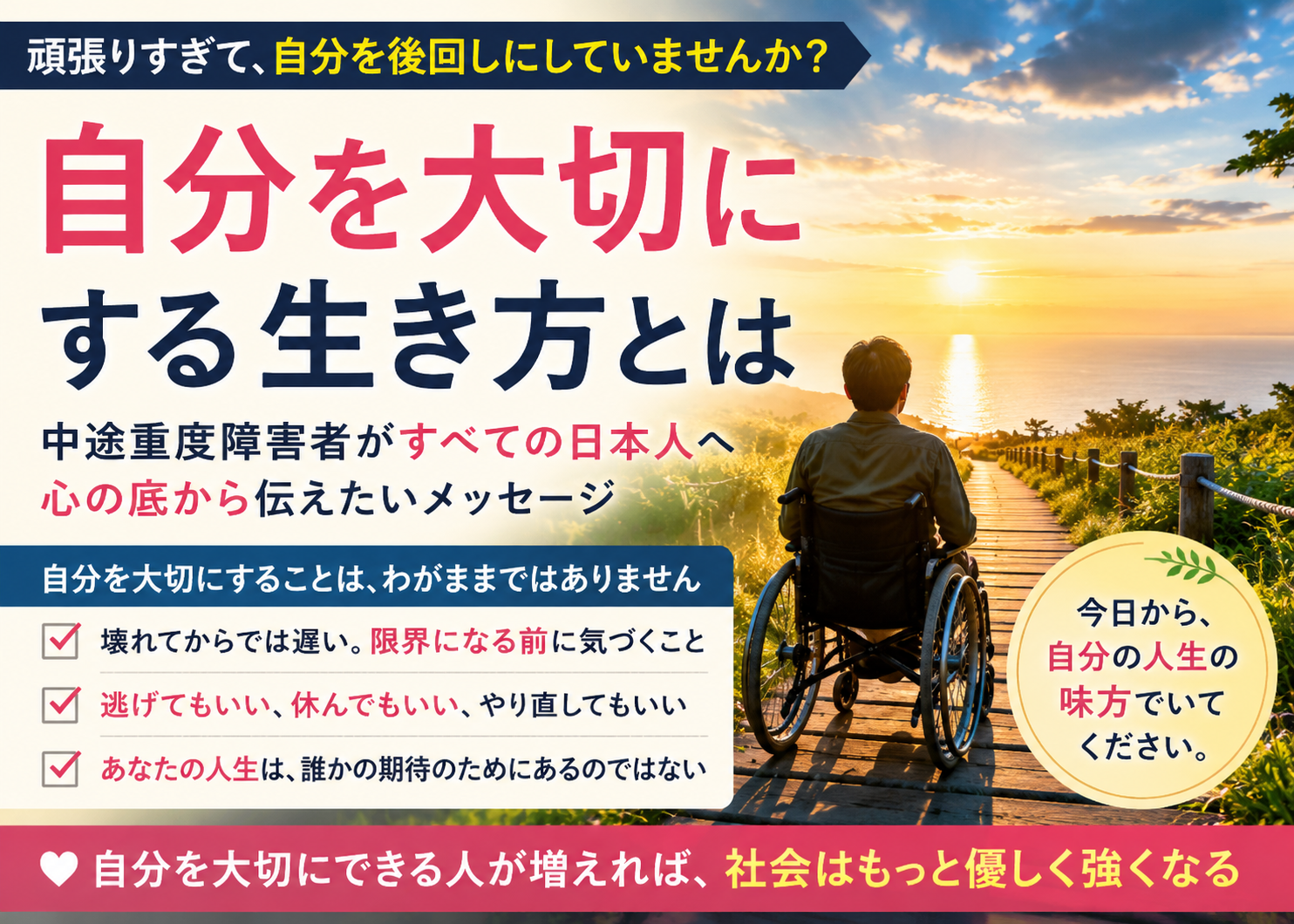
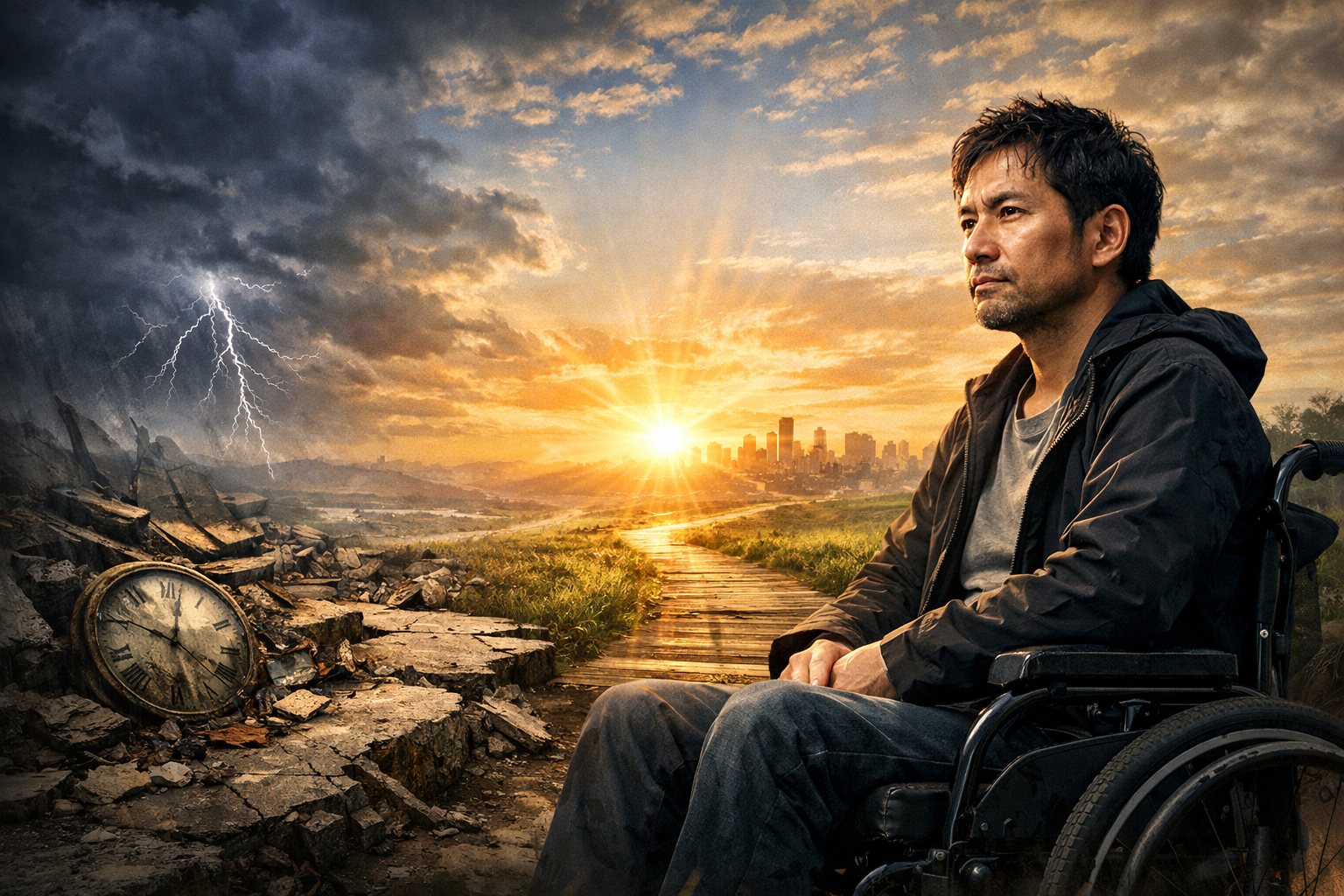
As someone living with a severe disability acquired later in life, I have faced countless moments of “not knowing.” The barriers, prejudice, and helplessness I encountered were things I had never imagined before becoming disabled. Because of this, I often reflect on how difficult it must be to truly understand the suffering of those directly affected by war, no matter how much we learn or empathize.
The Value of Trying to Understand
Even if we cannot fully understand, we cannot look away. What matters is the effort to listen and show compassion. In the case of the Israel-Palestine conflict, both sides have their reasons, and both claim justice. However, no justification can ever excuse the loss of innocent children’s lives.
As a disabled person, I sometimes feel that no one who hasn’t lived through my experiences can truly understand my pain. At the same time, I know how comforting it is when someone tries to listen and stand by me, even if they don’t fully grasp my struggles. This is why I believe we must strive to empathize with others, even if we come from completely different backgrounds.
The Power of Hoping for Peace
Peace may seem like an abstract concept, something unattainable or far removed from daily life. But I believe peace is simply the state where everyone can live their lives without fear. For people like me, living with a disability, peace means having the opportunity to live at our own pace without unnecessary barriers.
The complete resolution of global conflicts might not come within our lifetimes. Even so, wishing for peace and acting toward it is never meaningless. Each of us, in our own way and within our own communities, can take small steps that contribute to the greater goal of a peaceful world.
What We Can Do
So, what can we do? For one, we can approach information with an open mind, avoiding bias toward one side. It may be challenging, but it’s important to listen to voices from all perspectives and seek to understand them. Additionally, supporting organizations that help children and civilians affected by war through donations or volunteering is a tangible way to contribute.
Above all, we can work toward spreading peace within our own circles. Family, friends, workplaces—starting with these smaller communities, we can choose dialogue over conflict. Showing compassion and understanding toward others builds a foundation for peace, one interaction at a time.
Planting Seeds of Peace
Through blogging, I share my experiences and thoughts as someone living with a severe disability. I write to express what I feel and what I want others to know. With this article, I hope to plant a seed of peace in someone’s heart.
I may not fully understand the pain of those caught in conflict. Yet, I want to continue listening and hoping for peace in my own way. I feel this way because I’ve been supported by many people, enabling me to live the life I have now.
To everyone reading this, I urge you to think about what small actions you can take. Share your hope for peace with those around you. Your actions and wishes can inspire others, creating ripples of change that move the world toward a better future.
With prayers for peace.















コメントを残す