Applying the Lessons of Akashi City to Yabu City
Have you ever heard the saying, “If children are happy, the community is happy”? This simple yet profound truth is evident in the policies and initiatives of Akashi City, located in Hyogo Prefecture. Meanwhile, Yabu City, where you live, faces unique challenges as a rural area, such as population decline and an aging society. By examining Akashi City’s successes, we can explore how Yabu City might adapt these lessons to create a more child-friendly, thriving community.
Current Challenges in Yabu City
Yabu City is blessed with beautiful natural surroundings and a rich rural culture. However, it also faces several challenges:
Population Decline and Aging Society
Young families are moving to urban areas, resulting in fewer children and an aging population.
Limited Transportation Options
Public transportation is scarce, making mobility difficult for families with young children.
Low Awareness of Support Policies
While some childcare support programs exist, many residents may not be aware of them.
Lessons from Akashi City for Yabu City
Akashi City’s success as a child-friendly city provides a blueprint for how Yabu City might adapt similar initiatives to its unique environment.
1. Expand Free Medical Services
Akashi City provides free medical care for children up to junior high school. Implementing a similar policy in Yabu City could ease financial burdens on families and attract young residents.
2. Leverage Nature for Childcare
While eliminating waitlists for daycare may be challenging, Yabu City can promote nature-based childcare or farm experience programs. These initiatives could offer families a distinctive and enriching alternative to urban childcare.
3. Enhance Support for Single-Parent Families
Building on existing support measures, Yabu City could introduce additional assistance, such as housing subsidies or work-life balance programs tailored to single-parent households.
4. Improve Transportation
Free shuttle buses or school commute support programs could address the transportation issues unique to rural areas, ensuring safety and accessibility for children and their families.
5. Increase Community Awareness and Engagement
Like Akashi City, Yabu City can enhance communication by providing clear, accessible information about childcare support policies and encouraging community participation in policymaking.
Harnessing Yabu City’s Unique Strengths
Yabu City has inherent strengths, such as its abundant nature and close-knit communities. These assets can be leveraged to create unique opportunities for children and families:
Promote Agricultural Education
Integrating local agriculture and nature into educational programs can help children develop a love for their community and an appreciation for its environment.
Foster Multigenerational Communities
Encouraging interactions between children and the elderly can create a supportive, multigenerational network, enhancing the quality of life for all residents.
Steps Toward Realization
Gather Resident Feedback
Host workshops and surveys to identify the needs and expectations of local families.
Pilot Programs
Begin with small-scale projects to test ideas and measure their effectiveness before expanding them.
Collaborate with Successful Municipalities
Partner with cities like Akashi to learn from their experiences and implement proven strategies.
Conclusion
By adopting child-focused policies tailored to its unique strengths, Yabu City can become a more attractive and sustainable community for young families. Prioritizing children’s happiness will not only brighten their futures but also create a more vibrant and resilient community.
I hope this article serves as an inspiration and a starting point for discussions on how Yabu City—and similar regions—can address their challenges. If it encourages even a small step toward a brighter future, then its purpose will have been fulfilled.

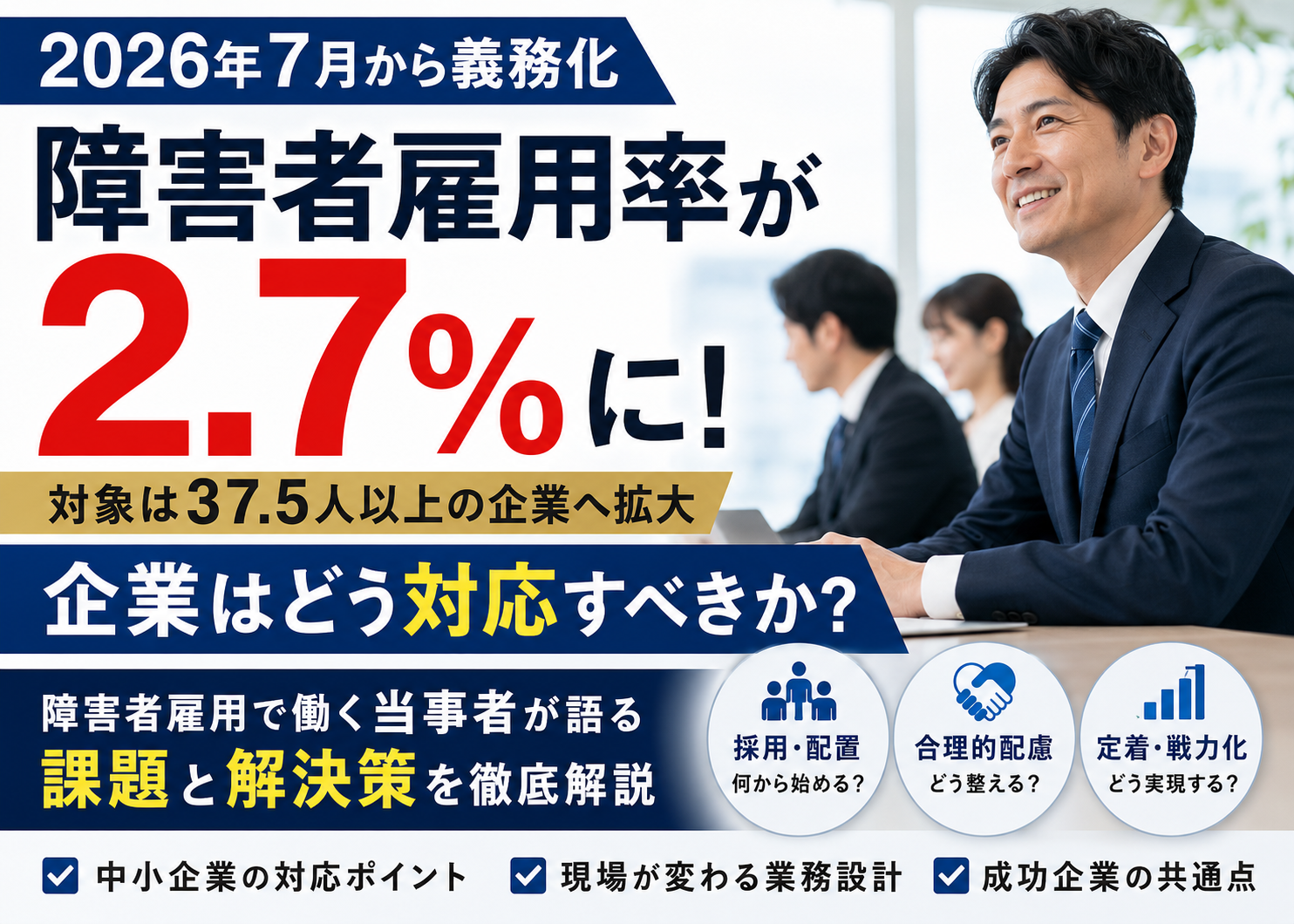
障害者雇用で「仕事を切り出す」だけでは足りない
――元課長・中途重度障害当事者が考える「人を活かす仕事の再設計」
障害者雇用で「仕事を切り出す」だけでは、本当の人材活用にはつながりません。健常者時代に課長を…














コメントを残す