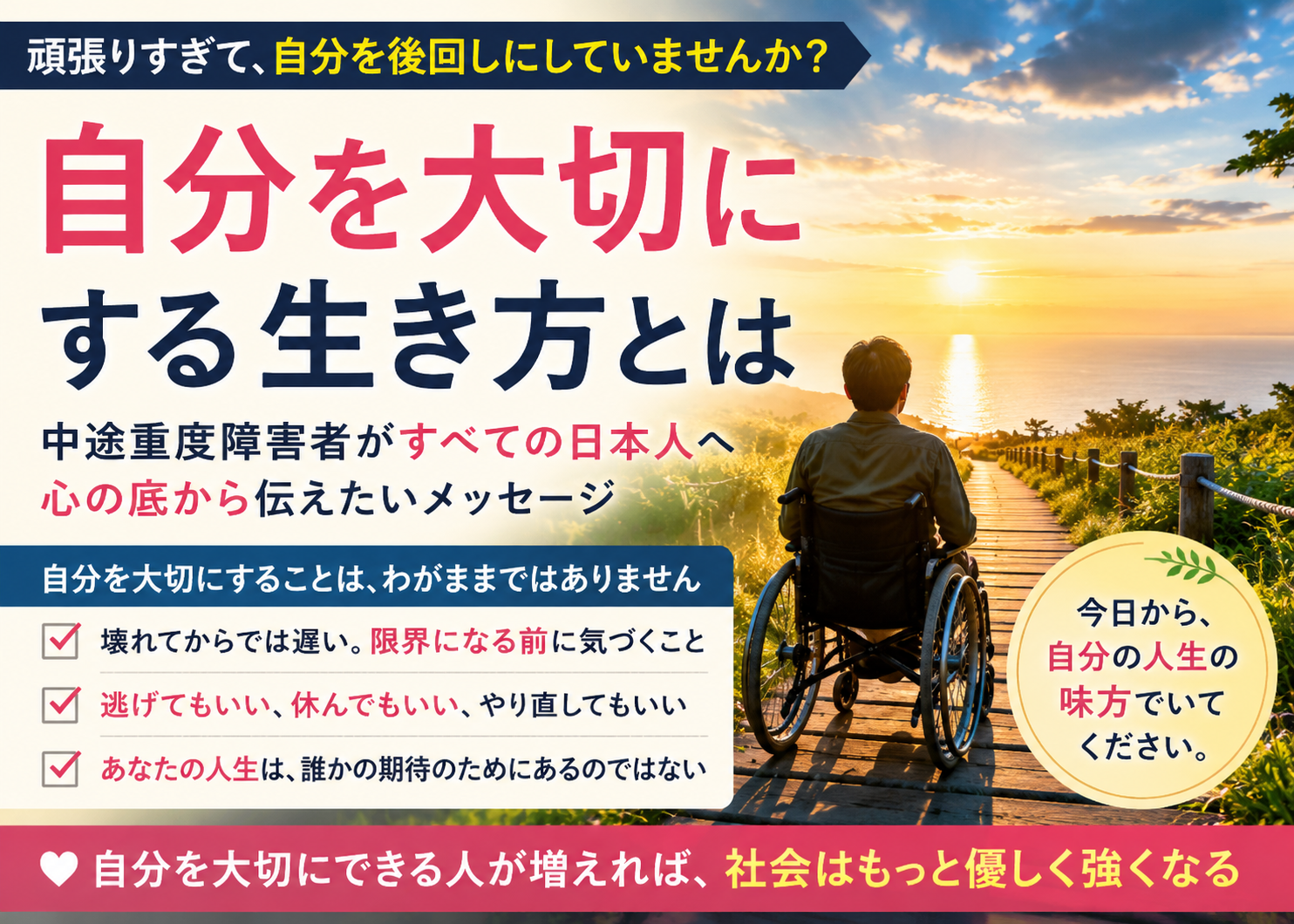
In our daily lives, we often find ourselves wanting to do something for others. However, before we realize it, we might be sacrificing our own well-being in the process. Whether it’s for family, friends, colleagues, or society at large, this behavior is often driven by the belief—deeply ingrained in modern culture—that “self-sacrifice is a virtue.”
But let’s pause for a moment and reflect. By revisiting the traditional Japanese spirit of “Wa” (harmony), we can uncover a new way of living: one that prioritizes self-care and enables genuine contribution to others. This approach aligns more closely with the timeless values that once defined Japan.
The Power of “Wa” in Japanese Culture
When we hear the word “Wa,” we might imagine peaceful and harmonious scenes. In ancient Japan, this spirit of harmony was the cornerstone of society. In small agricultural villages, people lived by respecting nature, fulfilling their roles, and maintaining balance within the community—all without overexerting themselves.
Fast forward to modern times, and we see a stark contrast. Today, self-sacrifice is often glorified, and people are expected to push themselves to their limits to serve others. This has led to widespread burnout and mental and physical exhaustion, making it nearly impossible to sustain meaningful contributions to society.
The true essence of “Wa” does not rest on self-sacrifice. Instead, it is about cherishing oneself, maintaining personal well-being, and contributing to others through balance and mutual respect.
True Contribution: Beyond Self-Sacrifice
True contribution to others is about offering support naturally and sustainably, without overburdening oneself. It doesn’t come from forcing oneself to help when already stretched thin, but rather from a place of inner peace and fulfillment.
For example, consider offering emotional support to a family member or friend. If you are overwhelmed with stress, it’s hard to be fully present for them. However, when you take care of your own needs and feel grounded, you can genuinely listen and support them with empathy.
This is why “caring for yourself first” leads to “caring for others” in a truly meaningful way. It’s not selfish—it’s the foundation for sustainable compassion and contribution.
Parallel Life: A Modern Practice of “Wa”
Parallel life is a lifestyle where individuals pursue multiple careers or passions simultaneously. It allows people to embrace their full potential in a way that aligns with modern diversity and flexibility. Interestingly, this lifestyle echoes the principles of “Wa,” blending personal fulfillment with harmonious coexistence.
For instance, someone might balance a full-time job with a side business fueled by their passions, while also nurturing family relationships and community ties. This approach embodies modern “Wa” by prioritizing both self-care and collaboration with others.
As a practitioner of parallel life, I’ve experienced firsthand the importance of caring for myself while engaging in multiple roles. By doing so, I’ve found greater energy and purpose, which has naturally enhanced my ability to contribute to others.
A Call to Action: Start with Self-Care
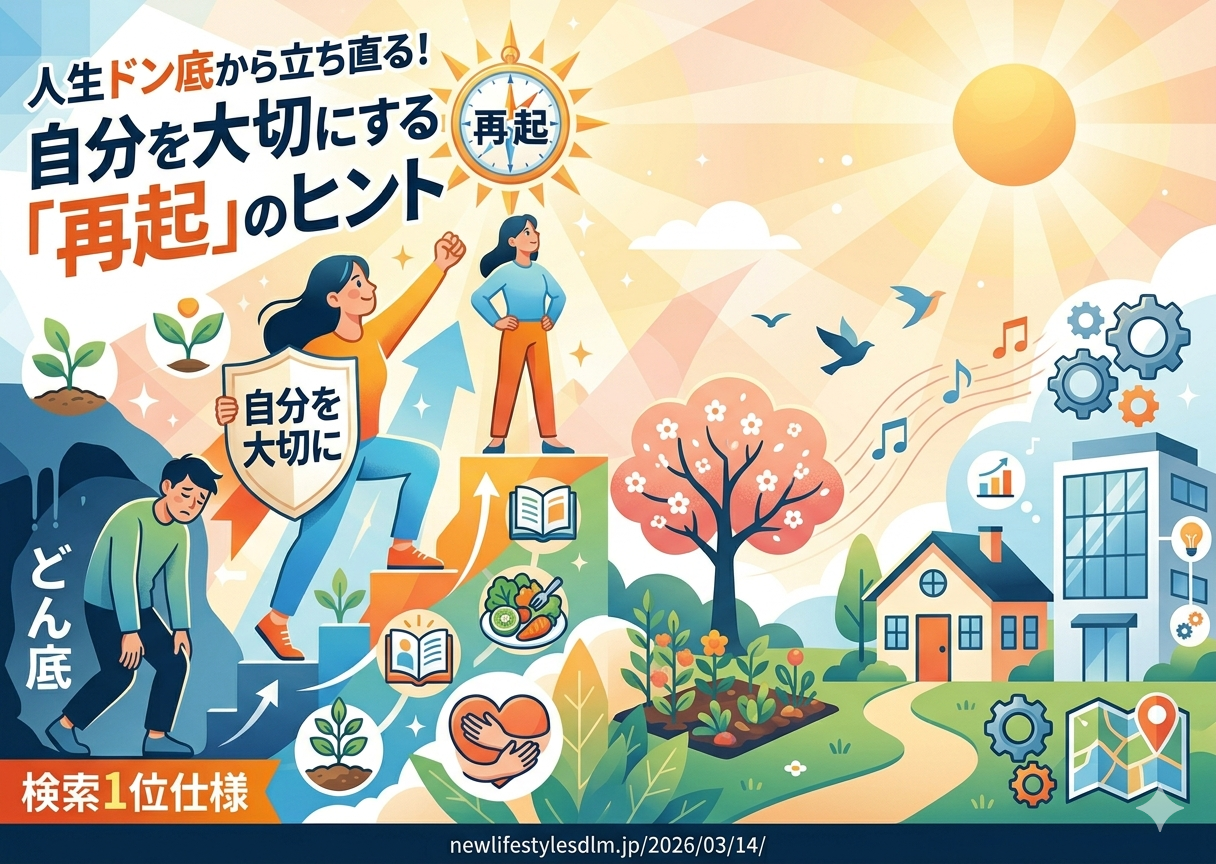
To everyone reading this, I’d like to share a simple yet profound truth: “By caring for yourself, you can create deeper and more sustainable contributions to those around you.”
By revisiting the Japanese spirit of “Wa” and embracing this shift from self-sacrifice to balanced contribution, your life can become more fulfilling, meaningful, and impactful. And in doing so, you’ll not only enrich your own life but also inspire and empower those you care about.
Conclusion: Carrying “Wa” into the Future
The philosophy of “self-care first, then contributing to others” reconnects us with the long-lost values of Japanese culture. It’s not about making dramatic changes; it starts with small, intentional acts of self-kindness. Take a moment today to prioritize your well-being.
This small step will help you nurture yourself, giving you the strength to genuinely support others. Over time, this approach will resonate with those around you, creating a ripple effect that extends far into the future.
So why not take the first step together? This isn’t just for you—it’s also for the people you cherish most.

障害者雇用で「仕事を切り出す」だけでは足りない
――元課長・中途重度障害当事者が考える「人を活かす仕事の再設計」
障害者雇用で「仕事を切り出す」だけでは、本当の人材活用にはつながりません。健常者時代に課長を…














コメントを残す