“You’re amazing despite your disability.” “I’m so moved by your efforts.” Many people with disabilities have likely heard these words at some point.
I’m no exception. At first, I accepted them with gratitude. But over time, I began to feel a sense of discomfort.
These words started to sound as if they were saying, “If you’re not trying hard enough, you’re not worth anything.”
Today, I’d like to talk about the societal expectations surrounding the “ideal image” of people with disabilities, the struggles it creates, and how we can find freedom from these expectations. This is also a story rooted in my personal experiences.
◆ What Is Society’s “Ideal Image” of People with Disabilities?
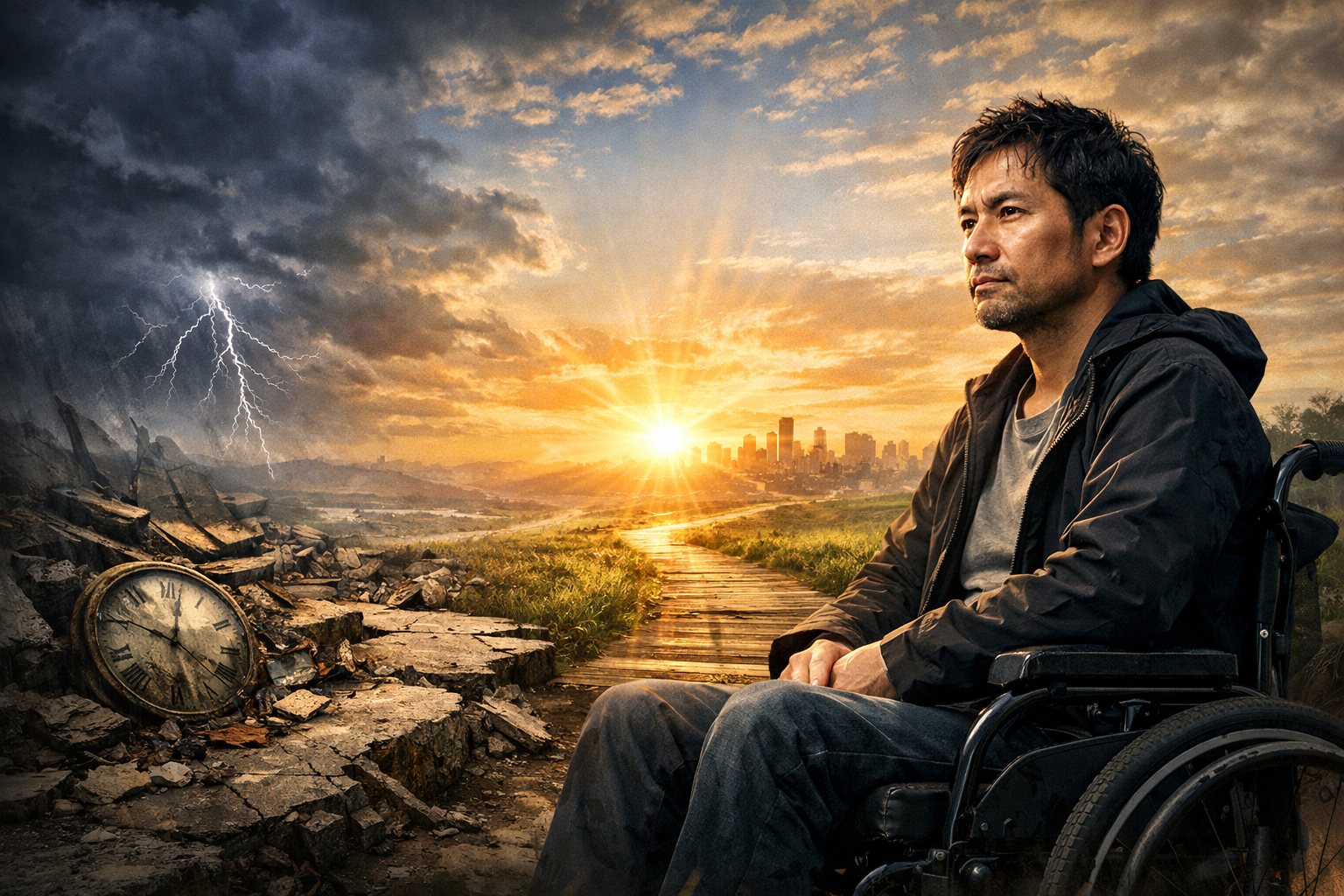
Society often unconsciously imposes a specific image on people with disabilities.
This image portrays them as “inspirational figures overcoming adversity” or “always cheerful and optimistic.” The media often reinforces these stereotypes.
Of course, there are individuals who fit this image. But they are not representative of everyone. Many people with disabilities simply want to live an ordinary life and enjoy the everyday moments.
Yet society continues to place an unspoken pressure to embody this “inspirational” persona.
◆ The Lack of Freedom to Not Try
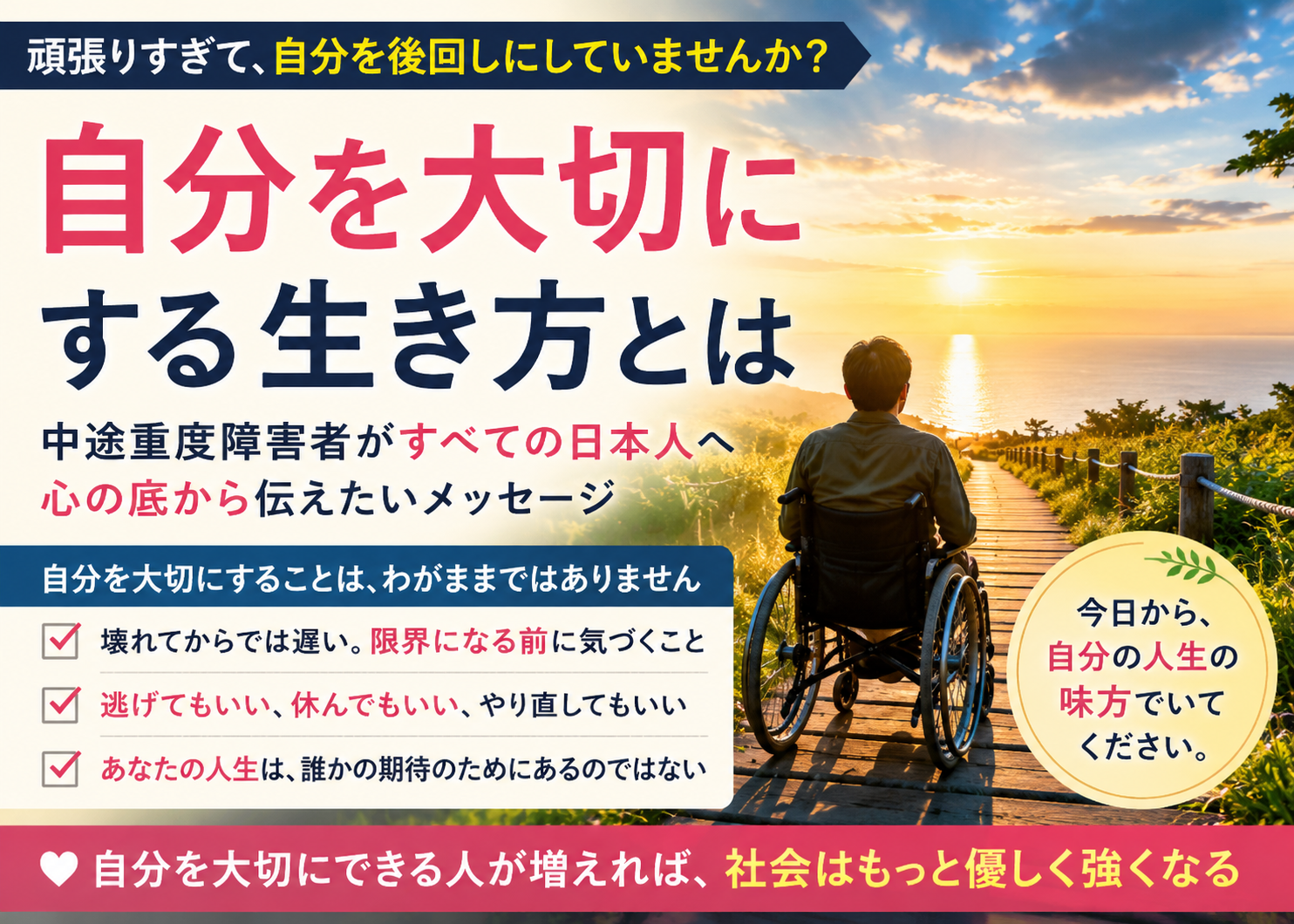
In my early days, I pushed myself to meet these societal expectations. I believed that if I worked harder and stayed positive, I’d earn recognition and acceptance.
However, this path was exhausting. Over time, I found myself physically and mentally drained. I sacrificed the things I truly wanted to do and postponed moments of relaxation.
People with disabilities deserve the freedom not to try so hard. There can be days of effort, but there should also be days of rest. Achieving this balance is key to creating a truly inclusive society.
◆ The Unconscious Bias That Creates a Gap
The intentions of non-disabled individuals are usually good. Most people mean well when they say, “You’re amazing” or “You’re doing great.”
But these words can sometimes become a burden.
What people with disabilities often want is to be seen as individuals, not as “inspirational figures.” We want to laugh together, face challenges together, and move forward together. Building this kind of equal relationship would create a more comfortable and inclusive society for everyone.
◆ How to Live Beyond the Ideal Image
So, how can we create a world where people with disabilities and non-disabled people can live freely, unburdened by societal expectations?
It starts with a mutual effort to understand each other.
What non-disabled people can do:
Treat people with disabilities as individuals, not as special cases. Offer help naturally when needed, but treat them the same as anyone else when it’s not. This simple approach can significantly reduce the pressure on people with disabilities.
What people with disabilities can do:
Avoid pushing yourself too hard. Let go of the belief that you must “try harder to be accepted.” Prioritize living authentically. That, in itself, is a form of true strength.
◆ Toward a Future of Living Authentically
Ultimately, all of us—disabled and non-disabled alike—want to feel that we’re enough just as we are.
“You don’t have to try so hard.” “You’re fine just as you are.”
If we can say these words to each other, we’ll be closer to a society where everyone can live happily.
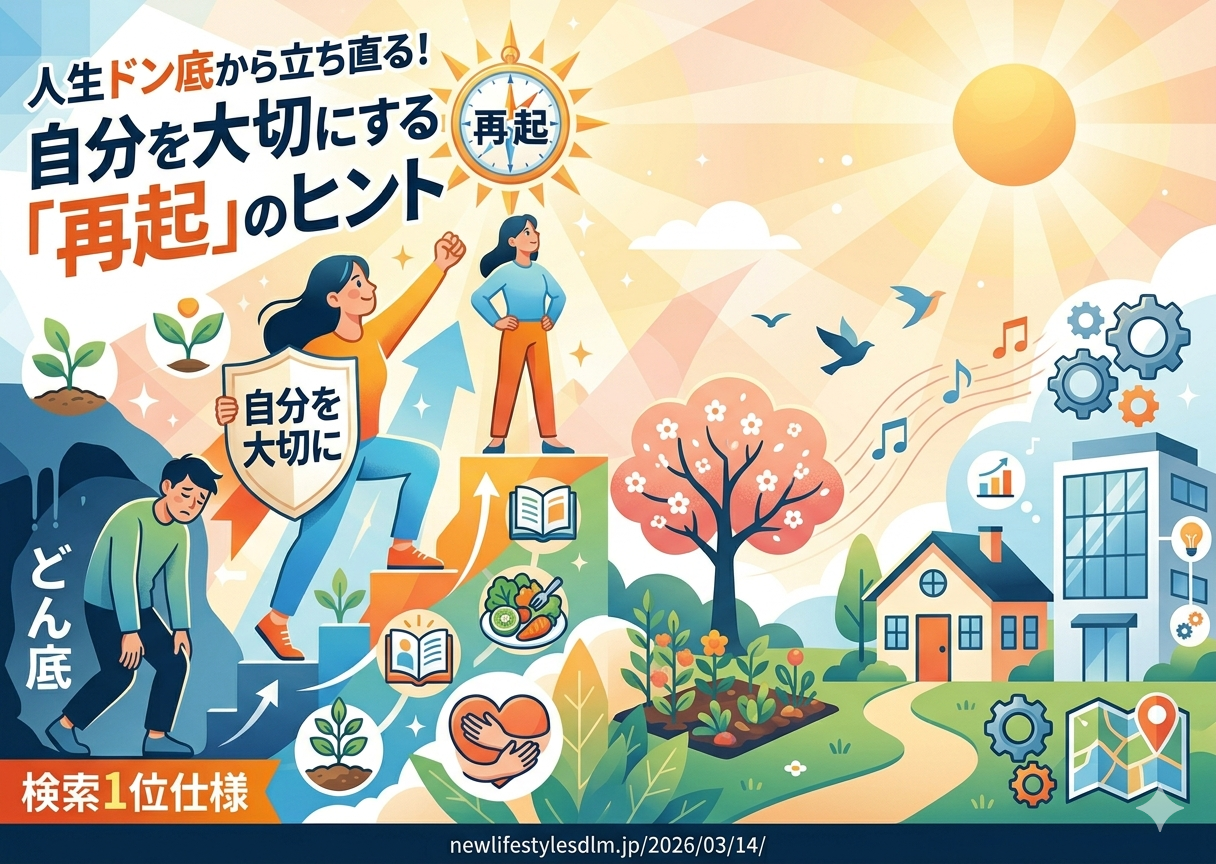
I’m still working on freeing myself completely from the “ideal image” society expects of me. But step by step, I’m finding my own way to live authentically.
If this article resonates with you, and if you feel moved to share it, that will be another step forward for me.
Let’s work toward a society where people with disabilities and non-disabled people can live together, simply as equals. Let’s live authentically, starting today.













コメントを残す