Minimalism focuses on reducing the number of possessions, but does cutting back on belongings truly enrich our lives?
Sure, decluttering can tidy up our living spaces and reduce stress. However, if reducing possessions becomes the goal in itself, we can become fixated on “having less” rather than experiencing true freedom or happiness.
What we’re truly seeking is not a reduction in the quantity of things but an emphasis on the “quality” of what we own. Simplism involves discerning “what is genuinely valuable to me” and building a life centered on that choice. I believe this is the key to living a rich and fulfilling life.
Simplism: A Focus on Essential Choices
In simplism, the goal is to focus on “essential” choices—not just with physical objects but also in our daily decisions, thoughts, and actions. For example, when it comes to what we own, it’s about choosing items that bring comfort and satisfaction. In terms of work or relationships, it’s about prioritizing what truly matters and nurturing those aspects of life.
This approach may seem challenging at first, but once you start, it becomes clear what is important and what is unnecessary. By going through this process, we can let go of what’s not essential and concentrate our energy on what truly matters.
Since I began practicing simplism, my perspective on life has changed significantly. I used to believe that “the more I had, the happier I’d be.” Now, I’m content with fewer possessions because I focus on what truly matters. The sense of fulfillment I feel comes not from material items but from my daily life and the peace of mind that comes with it.
From Material Wealth to Inner Richness
One of the lessons I’ve learned through practicing simplism is that “material wealth is temporary, while inner richness is lasting.”
While buying and owning things can provide a temporary sense of satisfaction, it rarely leads to lasting happiness. Eventually, the desire for more takes over, and the cycle of consumption continues.
Inner richness, on the other hand, doesn’t rely on material goods. It comes from our personal values, meaningful connections with others, and harmony with nature. Simplism is a way of life that seeks this inner richness.
The core of simplism isn’t about avoiding possessions—it’s about not being controlled by them. By focusing on our inner selves, we can lead a fulfilling life, even without relying on material wealth.
Practical Steps Toward Simplism
So how can you begin practicing simplism? Here are a few simple steps to get started:
Reevaluate Your Belongings
Start by reassessing the items you use daily. Let go of things you no longer use or that don’t bring you joy. Keep only the essentials that make you feel good. By doing so, you’ll lighten your material load and your mind as well.
Simplify How You Spend Time
Just like decluttering possessions, simplifying how you spend your time is crucial. Avoid wasting time on tasks or relationships that drain you. Instead, focus on activities that are meaningful and enrich your life. Time is a precious resource, and using it wisely creates mental space and peace.
Be Selective with Information
We live in a world overflowing with information. From news to social media, we are constantly bombarded with input. In simplism, you learn to be selective and choose only the information that truly benefits you. This helps prevent information overload and allows you to stay focused on what matters.
Conclusion
The lifestyle I pursue as a simplist isn’t just about reducing possessions; it’s about making “essential choices” in all areas of life. By freeing ourselves from material wealth and pursuing inner richness, we can achieve a sense of fulfillment and peace that isn’t dependent on what we own.
I hope this article provides you with some insight into the idea of making more essential choices in your life and inspires you to take the first steps toward a simple, yet fulfilling way of living.
Please feel free to share your thoughts, or leave a comment about your own journey toward a simpler life. Thank you for reading!


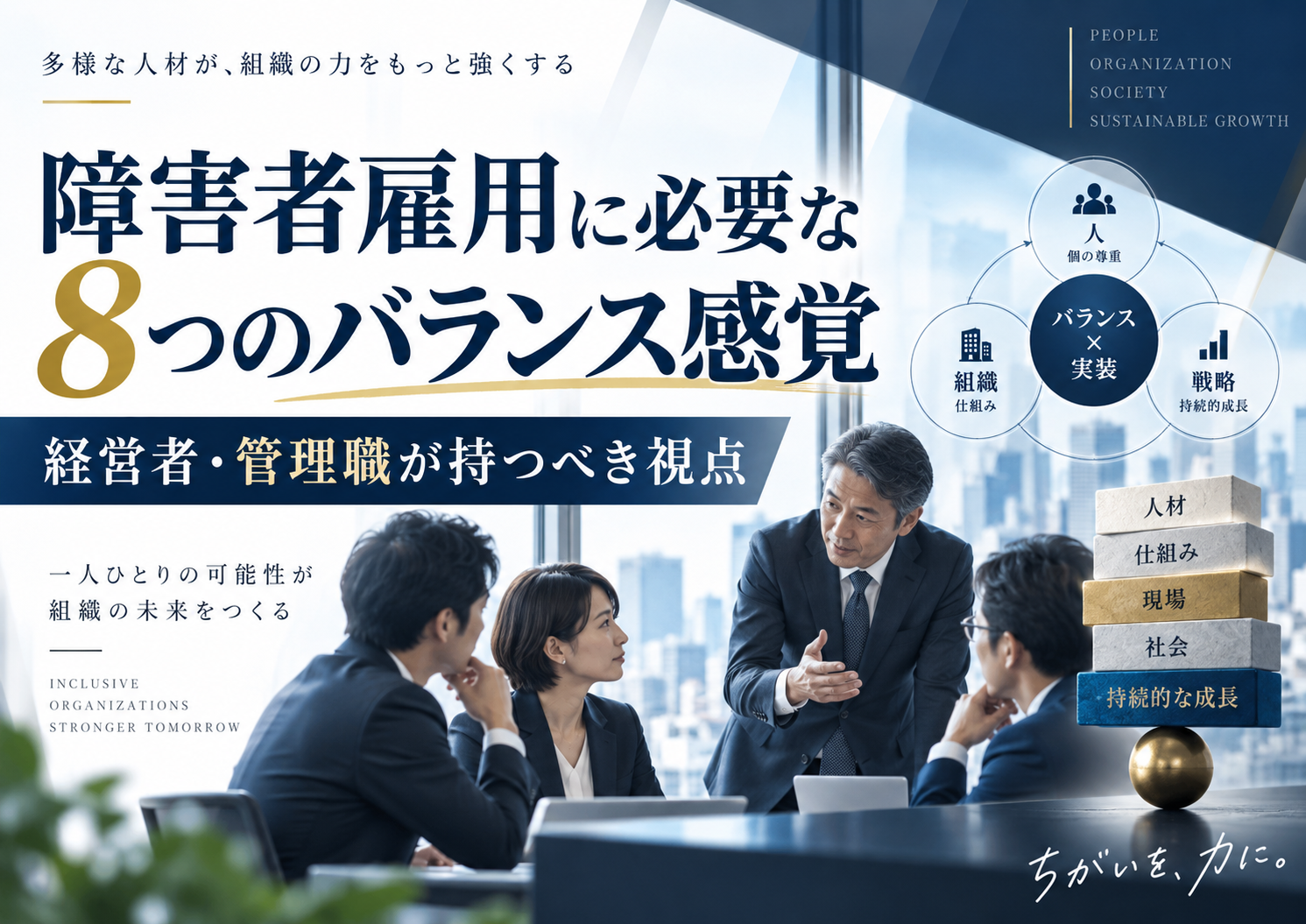
障害者雇用は「配慮か成果か」ではない
――中途重度障害当事者が経営者・管理職に伝えたい、障害者雇用を実装する8つのバランス感覚
障害者雇用は「配慮か成果か」の二択ではありません。元課長・中途重度障害当事者の視点から、配慮…


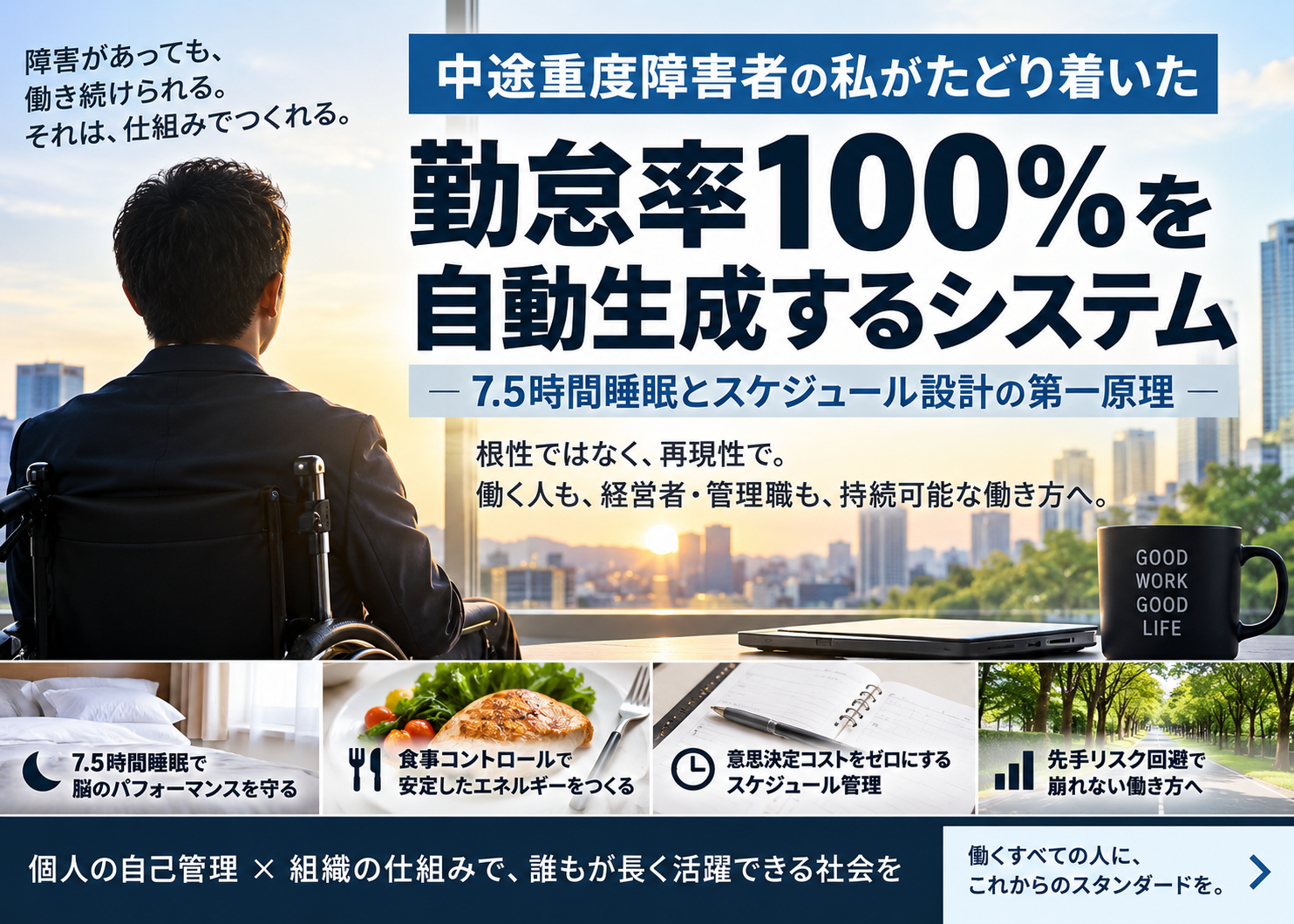
中途重度障害者の私がたどり着いた「勤怠率100%を目指す仕組み」――7.5時間睡眠とスケジュール設計で、体調管理を根性から再現性へ
中途重度障害者として働く私が、自身の経験から導き出した「安定して働き続ける仕組み」とは。7.…














コメントを残す