Japan’s welfare system faces an “invisible barrier” that we must seriously address. This barrier is deeply rooted societal unconscious bias. This article explores how unconscious biases impact the Japanese welfare system and what we can do to overcome them.
Regional Disparities: The Impact of Unconscious Bias
In Japan, the quality of welfare services varies significantly by region. Often, resources are concentrated in urban areas, neglecting rural and depopulated areas. This may result from an unconscious bias that investing in urban areas benefits more people. However, this leads to the exclusion of rural residents from high-quality welfare services.
Stereotypes of the Elderly: A Need for Change
Japan’s rapid aging requires a reevaluation of stereotypes about the elderly. The common view that “the elderly need support” can sometimes underestimate their capabilities. Unconscious barriers also exist against the elderly learning new technologies and playing social roles, necessitating the eradication of these prejudices.
Disability Welfare: Beyond Bias
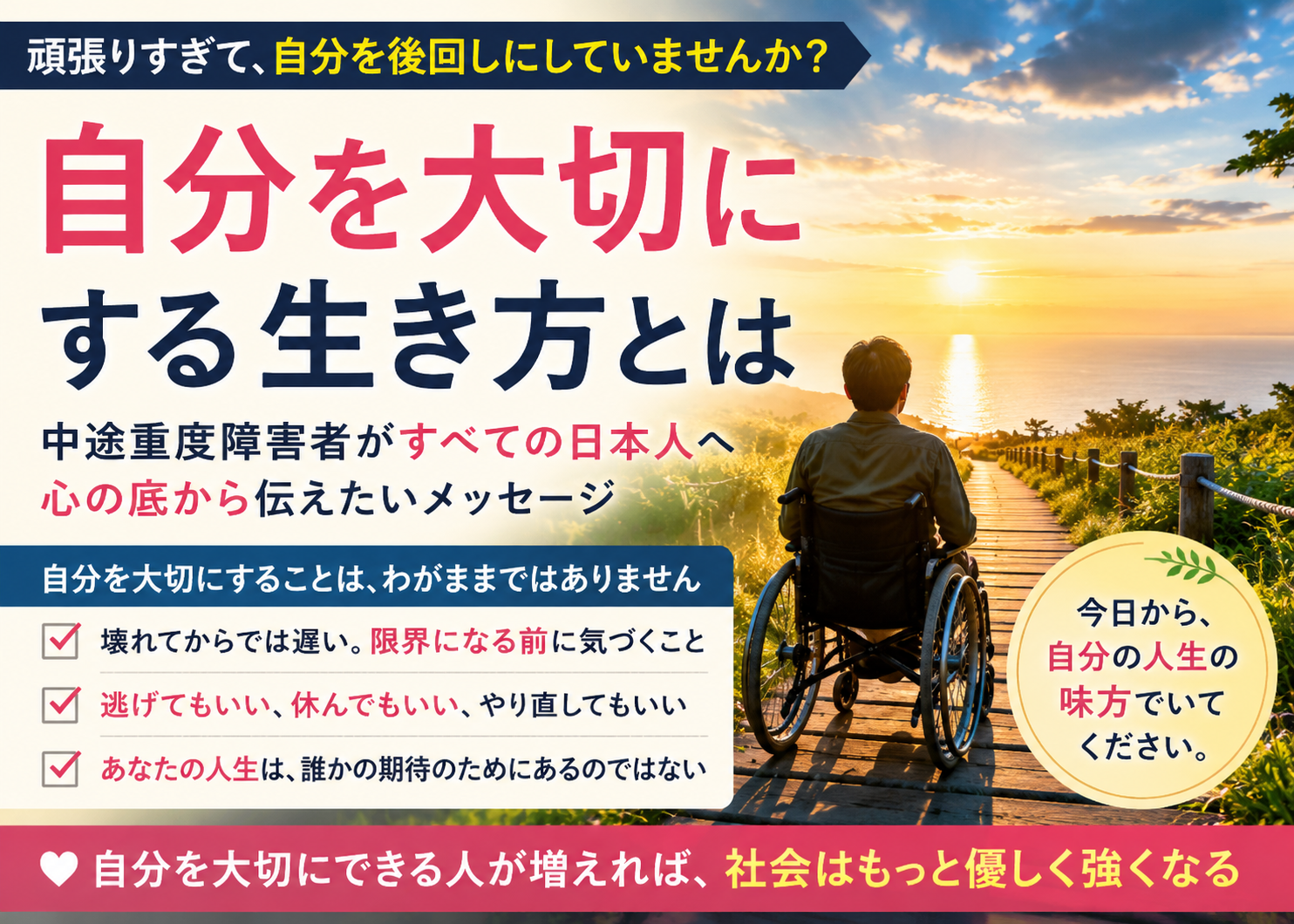
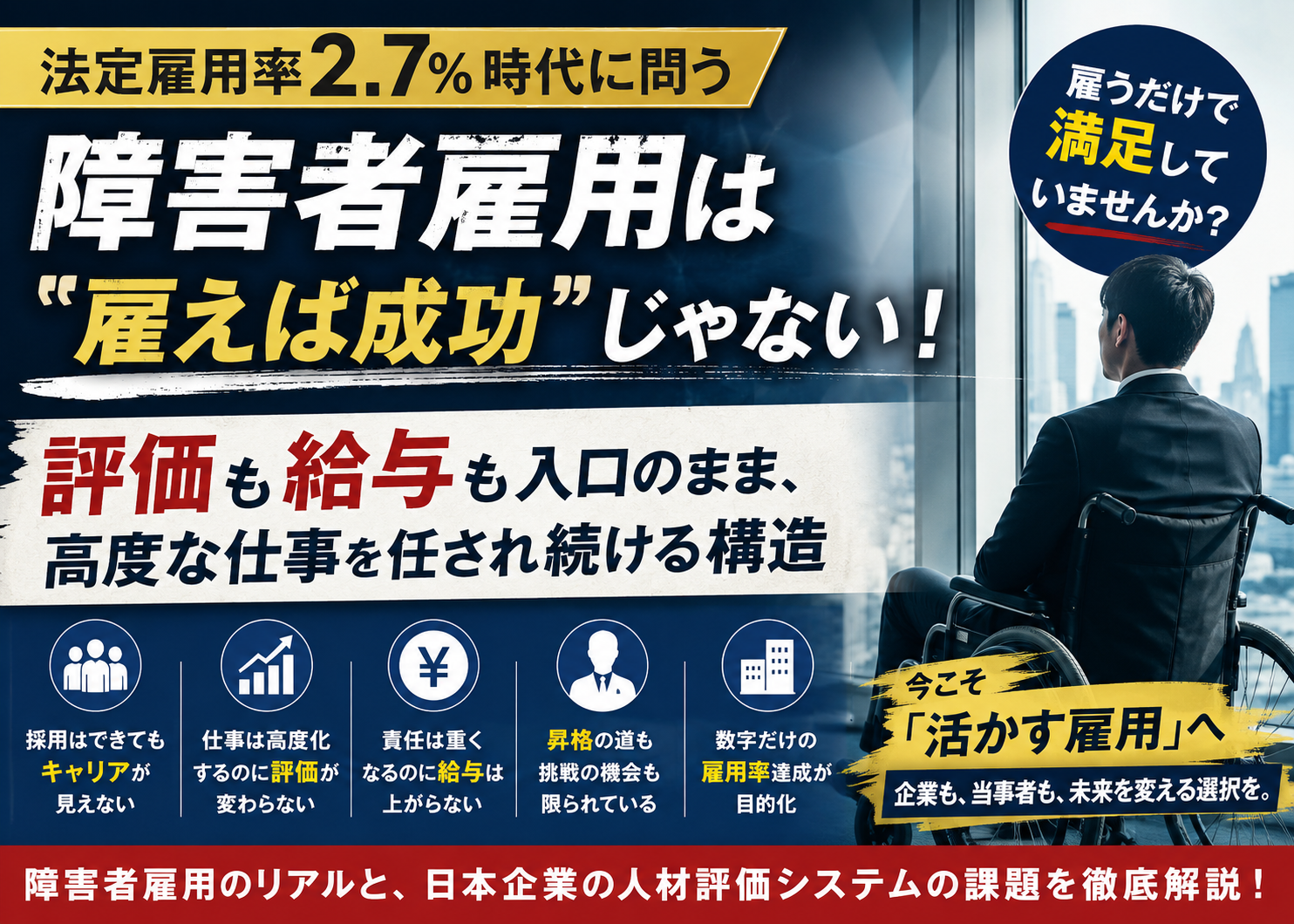
Unconscious bias against disabled individuals prevents them from fully participating in society. Viewing disabled people merely as “those who need help” can limit their independence and potential. Designing support based on the individual capabilities and interests of each disabled person leads to true inclusion.
Gender Bias in the Welfare Field
The welfare field also exhibits significant gender-based unconscious bias. Women are often seen as the default caregivers, and male caregivers face stereotypes of being inferior. These biases hinder equal opportunities for all people, regardless of gender, to enter this vital profession.
Taking Steps Forward
To combat unconscious bias, we must first acknowledge its existence and discuss it openly. Efforts must be made through education programs and policy revisions to ensure everyone has equal access to quality welfare services.
Tackling this issue is not easy, but it starts with each individual changing their awareness and taking action. Please share this article and use it as an opportunity to engage more people in this crucial conversation. Together, let’s build a more equitable and inclusive society.














コメントを残す