As the economy shows signs of recovery, many companies are becoming more inclined to raise wages. Especially in large corporations, favorable business performances are leading to wage increases as a way of redistributing profits to employees. However, whether this trend will spread to SMEs is not as straightforward.
The Reality SMEs Face
SMEs play a crucial role in the Japanese economy but operate under tougher conditions compared to large corporations when it comes to financing and attracting talent. The wage increases in large corporations make it even more difficult for SMEs to secure talent, contributing to the widening gap.
How Should We View the Disparity Between Large Corporations and SMEs?
This disparity is not just an issue of “unfairness.” It leads to a talent drain from SMEs to large corporations, hampering innovation and growth in SMEs, which ultimately affects the sustainability of the Japanese economy as a whole. Addressing this issue requires a comprehensive approach, including support for SMEs and creating an environment where workers can enhance their skills.
What Can We Do Now?
Faced with the reality where positive moves like wage increases inadvertently widen the gap, how should we respond? First, it’s important to be aware of this issue and share it. Making consumer choices that support SMEs or participating in policy advocacy are steps we can take.
I invite all readers of this blog to think about this issue together and to take action. Let’s start with what we can do to ensure that the wave of wage increases benefits all companies and workers, turning it into a true “spring breeze.”


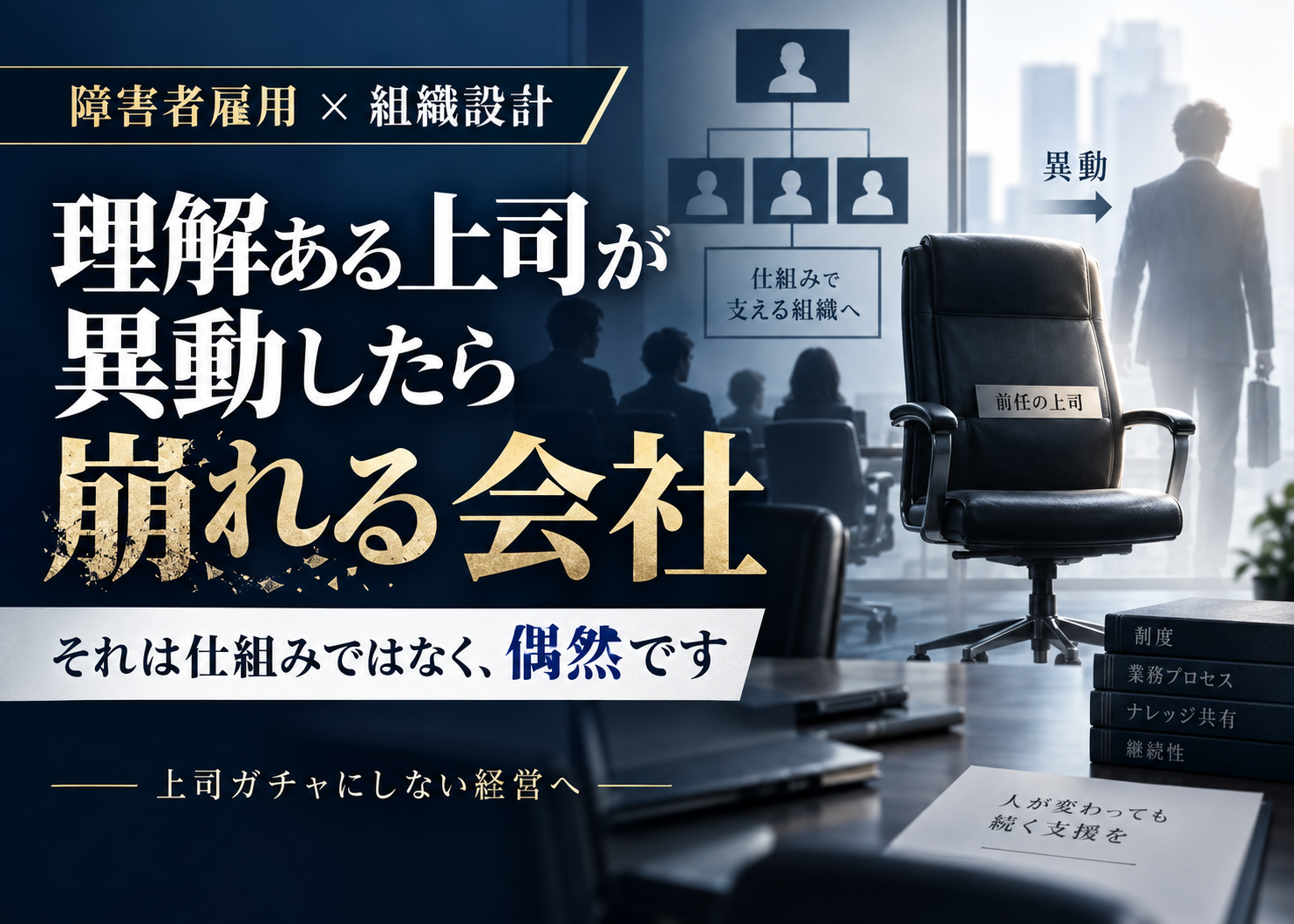
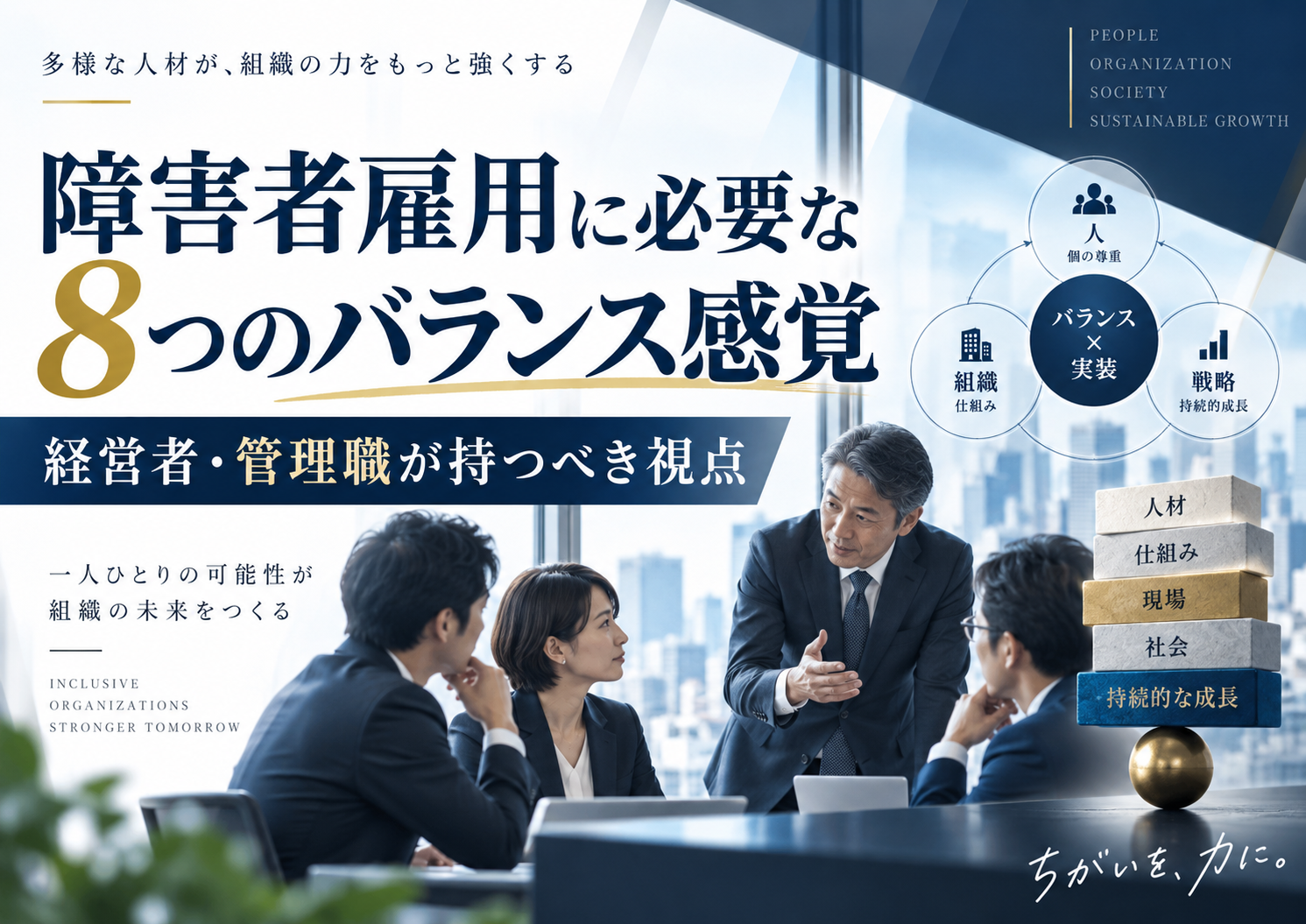
障害者雇用は「配慮か成果か」ではない
――中途重度障害当事者が経営者・管理職に伝えたい、障害者雇用を実装する8つのバランス感覚
障害者雇用は「配慮か成果か」の二択ではありません。元課長・中途重度障害当事者の視点から、配慮…


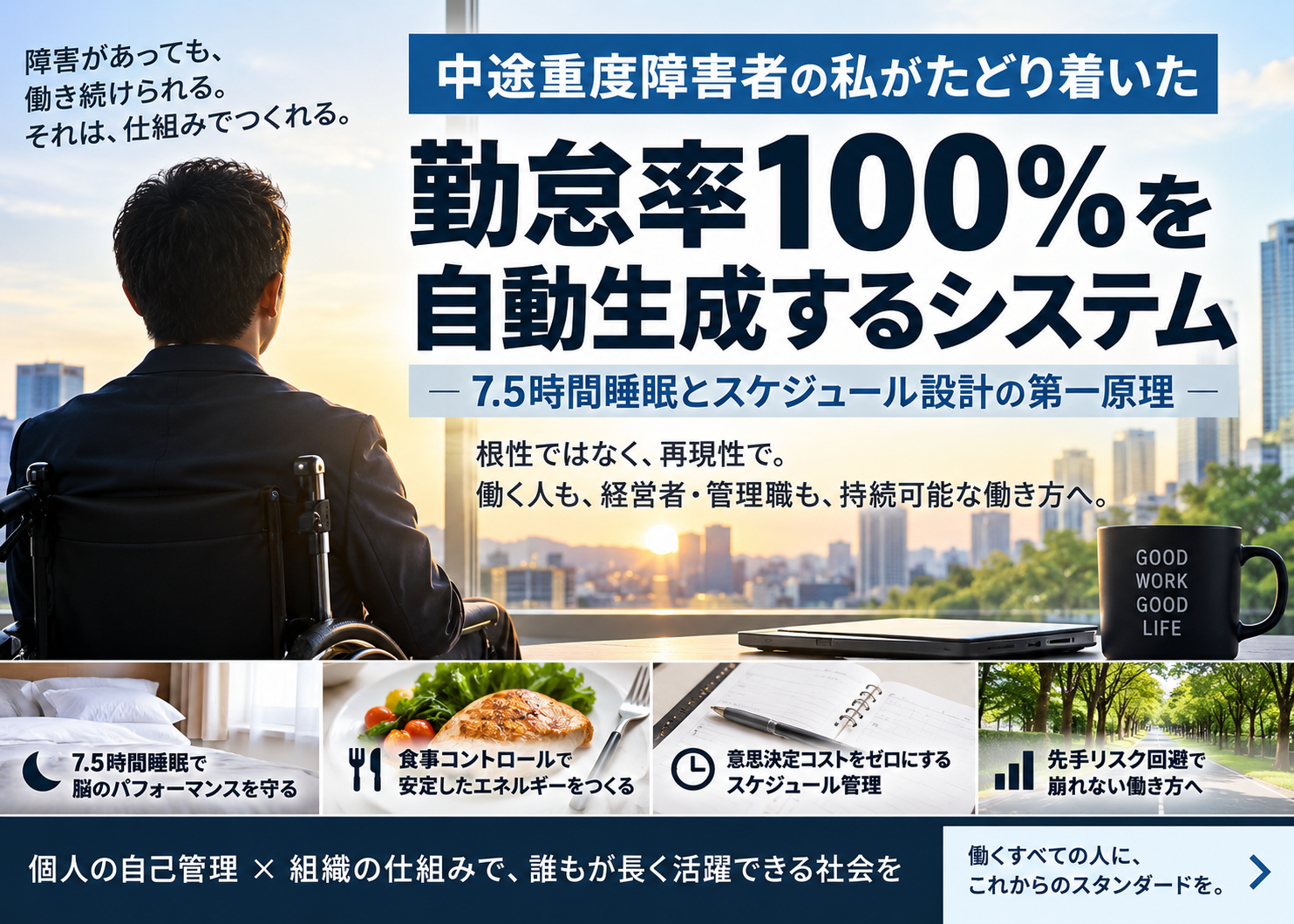
中途重度障害者の私がたどり着いた「勤怠率100%を目指す仕組み」――7.5時間睡眠とスケジュール設計で、体調管理を根性から再現性へ
中途重度障害者として働く私が、自身の経験から導き出した「安定して働き続ける仕組み」とは。7.…














コメントを残す