— Why This Is Not a “Good Story,” and Why Applause Is Not Enough
Meta Description (SEO | 120–130 chars)
A deep structural analysis of Ryoji Takayama’s landmine clearance work in Cambodia—and what real support looks like beyond donations.
Introduction: I Don’t Want This to End as a “Feel-Good Story”
“There are amazing Japanese people in the world.”
This phrase sounds kind.
It usually is said with no bad intentions.
But I’ve come to fear what follows it.
Because that sentence often marks the end of thinking.
We admire.
We are moved.
We applaud.
And then we return to our daily lives—unchanged.
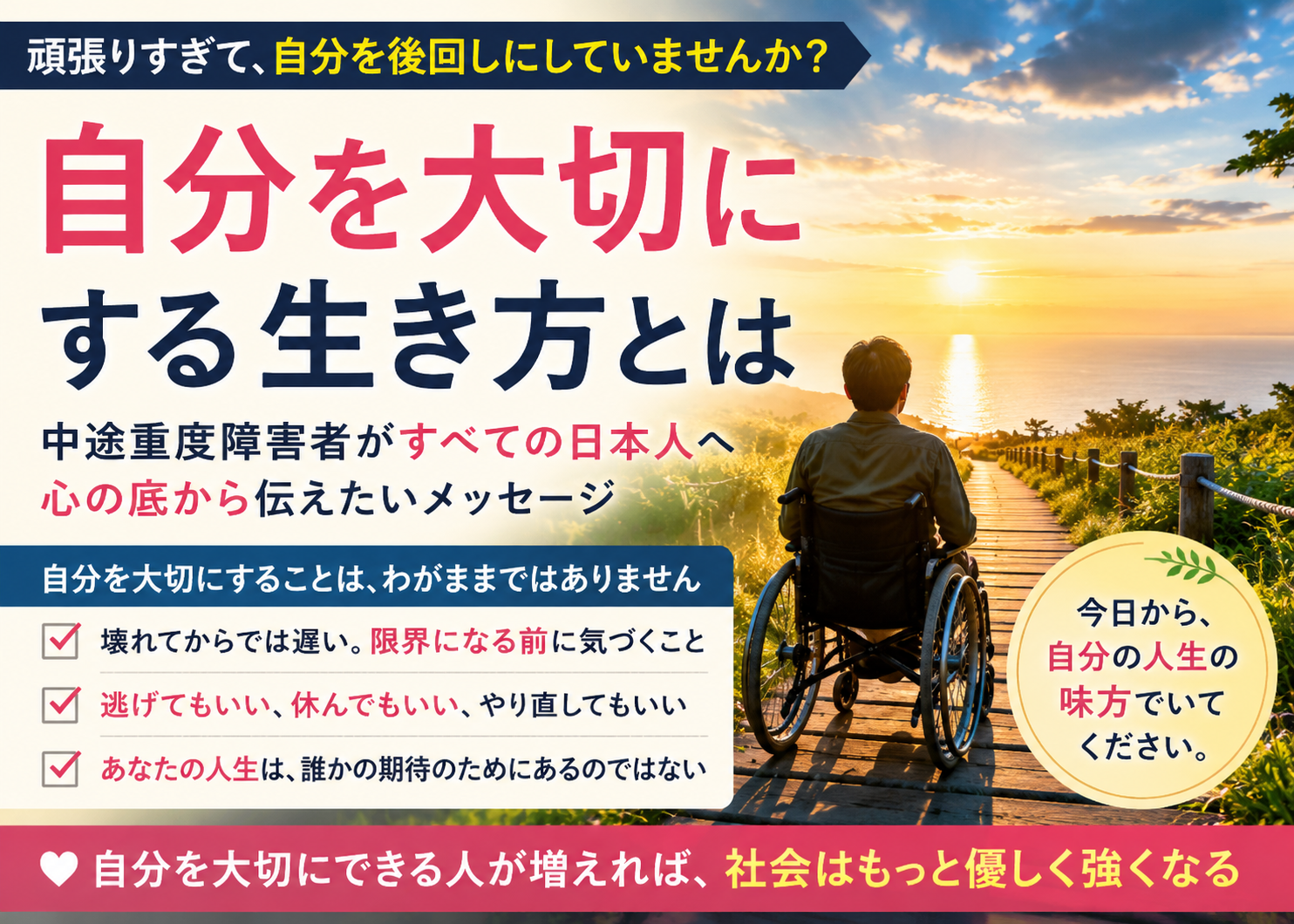
I am a person with an acquired severe disability.
I live on the side of life that once broke.
And from that side, I’ve learned something painfully clearly:
Emotion does not change reality.
Only systems, continuity, and implementation do.
So this article is not written to praise a hero and move on.
Yes, I respect Ryoji Takayama deeply.
But respect alone is not enough.
This is about:
Why landmine clearance must never end at “clearance”
Why donations alone are not real support
What support that actually works looks like
And what kind of global structure allows landmines to exist at all
We will break this down in three layers: Surface / Hidden / Structural
Because honest inspiration never looks away from reality.
Conclusion First: What Makes Takayama’s Work Exceptional Is Not Removal—It’s Design
Ryoji Takayama is not “just” removing landmines.
He is rebuilding the conditions for life.
Landmine removal is only the reset button.
What matters is what comes after—water, roads, education, work, and dignity.
Through the International Mine Clearance and Community Development Center (IMCCD),
his work combines:
landmine and unexploded ordnance removal
infrastructure recovery (wells, roads)
cooperation with local institutions
employment of local residents as deminers
This is not heroism.
This is system design.
And the support we owe is not applause—but continuity.
1. Who Is Ryoji Takayama? (Establishing Trust)
Before emotion, there must be credibility.
Ryoji Takayama is the head of IMCCD, a certified Japanese non-profit organization.
He previously served in the Japan Ground Self-Defense Force and participated in UN peacekeeping operations in Cambodia.
After leaving military service, he continued working in Cambodia, eventually founding IMCCD in 2011.
Most importantly:
IMCCD does not operate independently or paternalistically.
It works in cooperation with the Cambodian government, specifically with Cambodian Mine Action Centre (CMAC),
and trains and employs local residents as deminers.
This is not charity tourism.
This is operational infrastructure.
2. Why Landmine Clearance Is Still Necessary in Cambodia
Landmines are often framed as “dangerous remnants of war.”
That framing is incomplete.
A landmine does more than explode.
It:
freezes land use
blocks agriculture
stops roads and logistics
prevents investment
interrupts education
drives young people away
locks entire regions into poverty
A landmine is not just a weapon.
It is a device that freezes the future.
IMCCD has been operating primarily in Battambang Province, including Kamrieng District—areas where daily life and economic activity are still constrained by landmines.
Removing landmines is not about safety alone.
It is about restoring choice.
3. Breaking It Down: Surface / Hidden / Structural
3-1. Surface Layer: Removing Landmines
This is the visible part.
Clear land.
Reduce casualties.
Make areas physically safe.
IMCCD consistently conducts landmine and unexploded ordnance clearance.
But here’s the crucial point:
Clearing land returns a place to zero.
It does not rebuild life.
That’s why IMCCD simultaneously works on:
well construction
road repair
access infrastructure
Removal is subtraction.
Recovery is addition.
Takayama understands both.
3-2. Hidden Layer: Why “Hero Stories” Quietly Kill Support
Here is where support often fails.
When we turn someone into a hero, we also turn them into an exception.
Exceptions are admired—but never replicated.
And what cannot be replicated cannot continue.
The real achievement here is not Takayama’s personality.
It is the operating model:
local cooperation
institutional legitimacy
employment-based demining
long-term presence
Real Support #1: Continuity Over Impact
Landmine clearance is not a sprint.
One-time donations feel good.
But they do not sustain operations.
The most powerful form of support is:
small
realistic
continuous
Support that survives currency fluctuations and global instability.
Real Support #2: Translate Emotion into Access
Sharing a moving story is easy.
What matters is sharing connections:
the organization name (IMCCD)
the location
the partner institutions (CMAC)
the mission beyond removal
That turns emotion into pathways.
Real Support #3: Bring Institutions In
Individual donors matter.
But institutional support sustains.
Companies, unions, schools, and local governments operate at a different scale.
Support grows when admiration is translated into proposals.
3-3. Structural Layer: Landmines Are Not “Aftermath”—They Are Design
Here is the uncomfortable truth.
Landmines kill after wars end.
That means war is designed to export costs into the future—onto civilians, farmers, children.
Landmine clearance exposes this design.
So the deepest support is not emotional.
It is intellectual and political.
It asks:
Who pays the cost of “ended” wars?
Why are those costs invisible?
Why are they outsourced to NGOs decades later?
Landmine removal is a quiet indictment of global power structures.
And IMCCD’s work reminds us: Peace without recovery is not peace.
4. What Can We Actually Do? (Implementation Checklist)
Immediate Actions
Learn about IMCCD’s work and regions
Share information with context, not sentiment
Consider sustainable forms of support
Effective Actions
Shift from one-time donations to continuity
Introduce IMCCD to CSR or institutional frameworks
Speak about systems, not heroes
Structural Awareness
Frame landmines as future-denial devices
Always ask: “What comes after removal?”
Treat support as dignity restoration—not rescue
Common Misunderstandings
“Landmine clearance is just dangerous work someone else does.”
No. It is the prerequisite for rebuilding society.
“Donations alone solve the problem.”
No. Only continuity and integration do.
“Amazing people will handle it.”
No. Systems handle it. People operate systems.
Final Words: Don’t End This With Applause
Ryoji Takayama’s work is inspiring.
But if inspiration ends in admiration, nothing changes.
So let this not be a story we like.
Let it be a system we support.
Support is not kindness.
Support is design.
And design is the quiet act of making sure someone else’s future remains their own.












コメントを残す