✅ Meta Description (Within 155 Characters)
“You are beautiful just as you are.” The ancient verses of the Manyoshu bring comfort and healing. A severely disabled counselor explores self-acceptance and emotional recovery through Japan’s oldest poetry collection.
—
🔍 Main SEO Keywords (Naturally Distributed)
Manyoshu self-acceptance
disabled counselor perspective
classical Japanese poetry healing
ancient Japanese mental health
waka therapy
emotional struggle and poetry
Japanese literature and self-worth
Manyoshu quotes that heal
poetry and counseling
visible and invisible pain
—
📝 Table of Contents
1. Introduction|Light Through the Darkness of Self-Doubt
2. What Is Self-Acceptance? A Counselor’s Perspective
3. What Is the Manyoshu? The Power of Soulful Words
4. My Story|How a Severely Disabled Person Found Healing in Ancient Verse
5. The Aesthetic of Vulnerability and the Acceptance of Pain
6. Five Powerful Manyoshu Poems That Resonate Today
7. The Beauty of Differences: Ancient Harmony and Inclusion
8. Using Waka in Counseling Practices
9. Finding the Words to Forgive Yourself
10. Conclusion|Your Existence Brings Healing to Others
—
1. Introduction|Light Through the Darkness of Self-Doubt
“Is there any value in my existence now?”
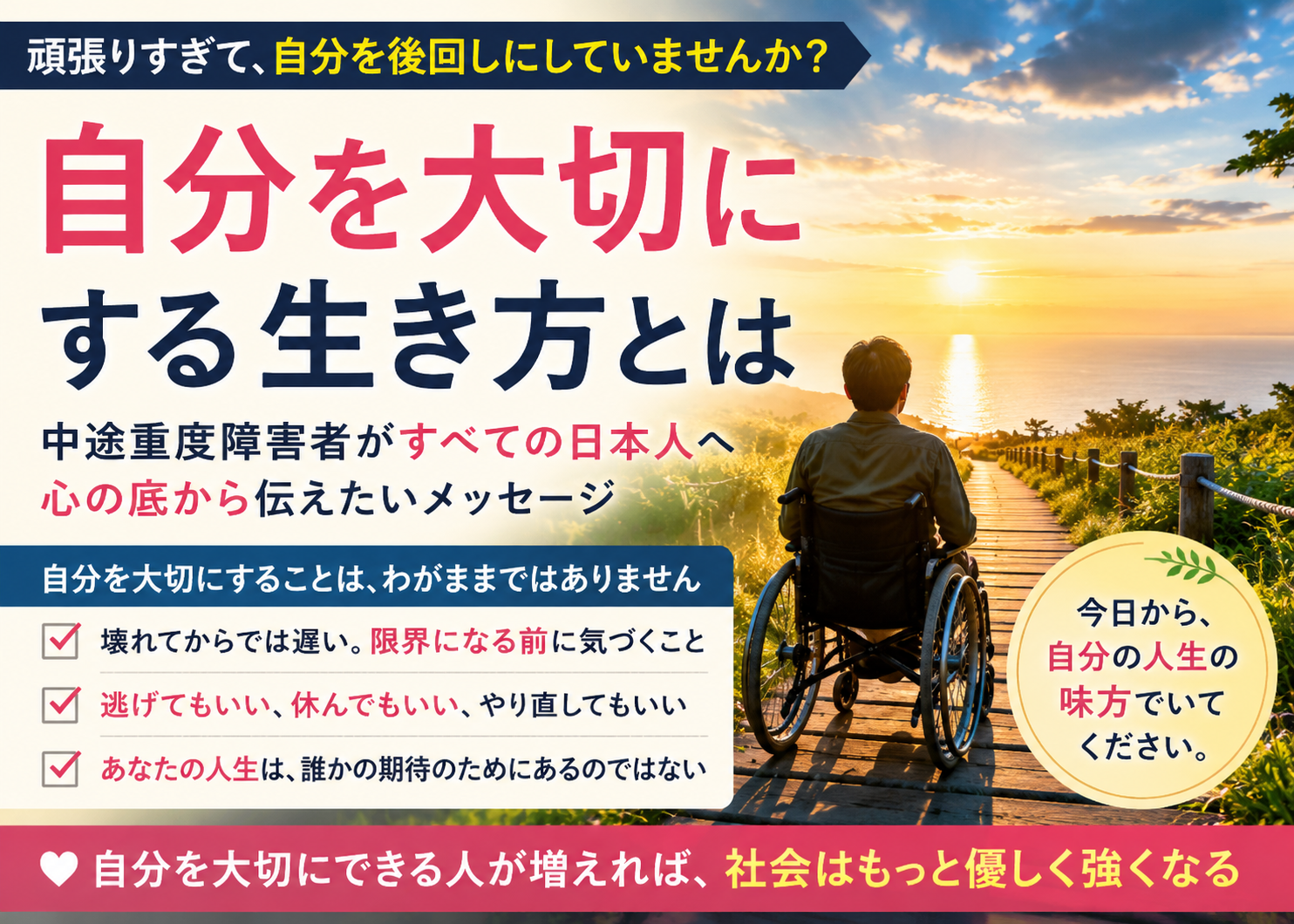
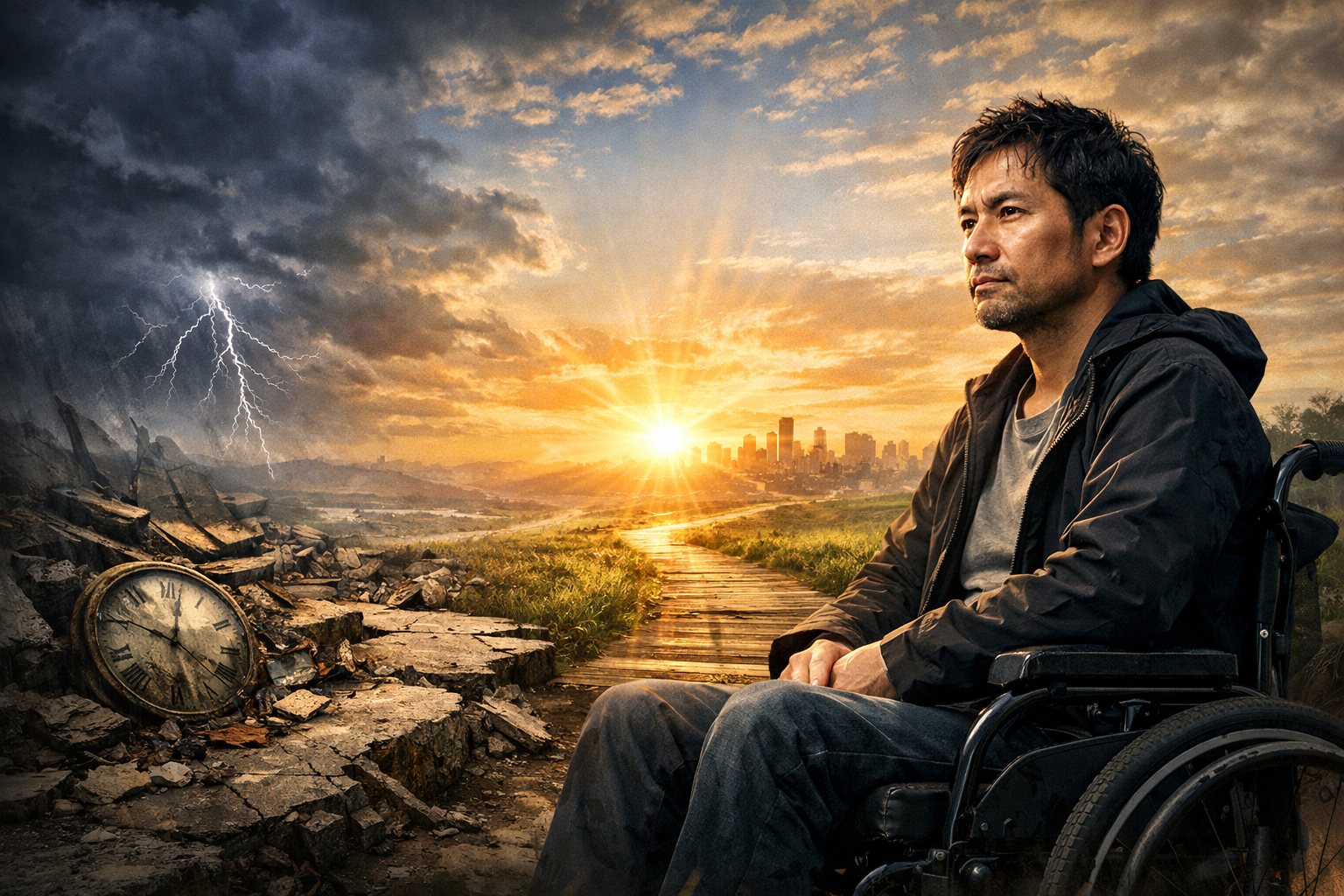
This question haunted me after I suddenly became severely disabled due to illness and accident. I lost my job, my independence, my dreams. I lost who I thought I was.
It was during this time of despair that I stumbled upon an ancient Japanese poetry collection called the Manyoshu.
I didn’t expect much at first. But what I found shocked me: expressions of pain, longing, loneliness, and hope—so raw, so honest, they felt like echoes of my own emotions.
The people of ancient Japan, living more than 1,300 years ago, felt like me. That realization began to change everything.
—
2. What Is Self-Acceptance? A Counselor’s Perspective
As a counselor, I often talk about self-acceptance. But what does that really mean?
It’s not about being proud or perfect. It’s about allowing yourself to exist even when you feel broken. It’s the ability to hold your weaknesses and flaws without trying to erase them.
Psychologist Carl Rogers called this the unconditional positive regard—accepting yourself as worthy, no matter what.
This is especially difficult for people with disabilities, trauma, or deep emotional scars. But it’s also essential. Without self-acceptance, healing cannot begin.
The Manyoshu—Japan’s oldest anthology of poetry—offered me a surprising and profound model of this acceptance.
—
3. What Is the Manyoshu? The Power of Soulful Words
The Manyoshu was compiled in the Nara period and contains over 4,500 poems written by emperors, nobles, soldiers, farmers, and common people.
It is one of the world’s rare literary collections where all social classes were given equal voice.
Love, loss, grief, desire, hope, loneliness—every human emotion appears, raw and unfiltered.
This emotional honesty and inclusivity mirrors the kind of diverse and supportive society we long for today.
—
4. My Story|How a Severely Disabled Person Found Healing in Ancient Verse
After losing my physical abilities, I also lost my sense of identity. I felt useless, isolated, and invisible.
One night, I came across this poem from the Manyoshu:
> From this day on, I shall not look back.
I go forth as a humble shield for my lord.
Though written by a conscripted soldier centuries ago, it gave me courage.
“I will not look back either,” I thought. “I can’t walk or work like before, but I can still be of use. I can still protect others in my own way.”
That night, ancient words reached across time and whispered,
“You are enough.”
—
5. The Aesthetic of Vulnerability and the Acceptance of Pain
The beauty of the Manyoshu is not in perfection, but in vulnerability.
> I would fly away
From this sorrowful world—
But I am not a bird.
This verse by Yamanoue no Okura expresses the universal human desire to escape suffering. It is painfully honest.
Unlike modern society, which often glorifies strength and success, the Manyoshu honors sorrow, longing, and being human.
It taught me:
Vulnerability is not weakness. Vulnerability is what makes us real.
—
6. Five Powerful Manyoshu Poems That Resonate Today
Here are five verses that continue to comfort and empower me—and perhaps, will do the same for you.
①
My sleeves are wet
Though no one can see it—
Like ocean stones submerged,
They never truly dry.
▶ For those crying unseen tears.
②
Long like a mountain bird’s tail,
So too the night—
Endless and alone,
I sleep without you.
▶ For those feeling crushing loneliness.
③
I tried to keep it secret,
But now the world knows my love.
My name has risen
Because of you.
▶ For those discovering the courage to love and be known.
④
I came to pick violets
On a springtime field—
But the field’s beauty
Made me stay the night.
▶ For those who realize life’s meaning is found in the present moment.
⑤
To love,
As long as I have life—
That is joy enough.
▶ For those who live and love, despite their limits.
—
7. The Beauty of Differences: Ancient Harmony and Inclusion
The Manyoshu includes voices from all walks of life—emperors, farmers, men, women, children, travelers, soldiers.
It embodies an ancient sense of equal human worth, something we strive to remember today.
You don’t have to be the same as others.
You don’t have to “contribute” in conventional ways.
You just have to live, in your truth.
In a society that often worships productivity, this collection gently reminds us:
Your value is not measured by what you do, but by who you are.
—
8. Using Waka in Counseling Practices
As a counselor, I sometimes introduce waka poems to clients who struggle to express their emotions.
Why?
Because poetry can say what we cannot.
Because sometimes, someone else’s words feel like they were written just for you.
Counseling Examples:
For clients overwhelmed by grief → the “wet sleeves” poem
For those questioning their worth → “to love as long as I live”
For those paralyzed by loneliness → the “mountain bird” poem
These verses help people find words for their pain, which is the first step toward healing.
—
9. Finding the Words to Forgive Yourself
Forgiveness is not just for others.
It’s for yourself.
Self-forgiveness is the deepest form of self-acceptance—and often, the hardest.
You may not be able to go back.
You may not become who you once were.
But you can accept who you are now.
And in doing so, you’ll find peace.
—
10. Conclusion|Your Existence Brings Healing to Others
> To love,
As long as I have life—
That is joy enough.
Even with limited ability,
Even if no one sees it,
Even if you can only offer your presence—
Your being here brings healing.
Let no one—especially not yourself—tell you otherwise.
—
💬 Final Request|Share This If It Moved You
If this article spoke to you,
Please consider sharing it with someone you care about.
We live in a world where too many feel alone.
But maybe, with a few ancient words and a bit of courage,
We can begin to change that—together.
You are beautiful.
Just as you are.

障害者雇用で「仕事を切り出す」だけでは足りない
――元課長・中途重度障害当事者が考える「人を活かす仕事の再設計」
障害者雇用で「仕事を切り出す」だけでは、本当の人材活用にはつながりません。健常者時代に課長を…













コメントを残す