[Meta Description (within 155 characters)]
Japan may be shifting from four distinct seasons to just rainy and dry ones. A deeply reflective and relatable blog from a severely disabled Japanese blogger, exploring how climate change affects our culture and sensitivity.
[Primary SEO Keywords]
Japan losing four seasons / climate change effects / rainy and dry seasons Japan / loss of seasonal awareness / disabled blogger perspective / seasonal culture loss / emotional sensitivity and climate change
[Table of Contents]
- Introduction | Wait, Weren’t Spring and Autumn Longer?
- The Four Seasons Once Moved Our Hearts
- Japan’s Climate Is Becoming Rainy and Dry
- When the Seasons Change, Culture Changes Too
- What If Japan Only Had a Rainy and Dry Season?
- What Disability Taught Me About the Power of Sensing
- Conclusion | Even Without Four Seasons, Let Us Keep Our Beautiful Sensitivity
1. Introduction | Wait, Weren’t Spring and Autumn Longer?
“Japan is beautiful because it has four seasons.”
We used to hear that all the time. But lately, haven’t you felt it’s becoming harder to say that with confidence?
Spring and autumn seem to flash by in the blink of an eye. We’re seeing summer days in May and 30°C (86°F) heat in October. Winters bring warm days followed by sudden snowstorms.
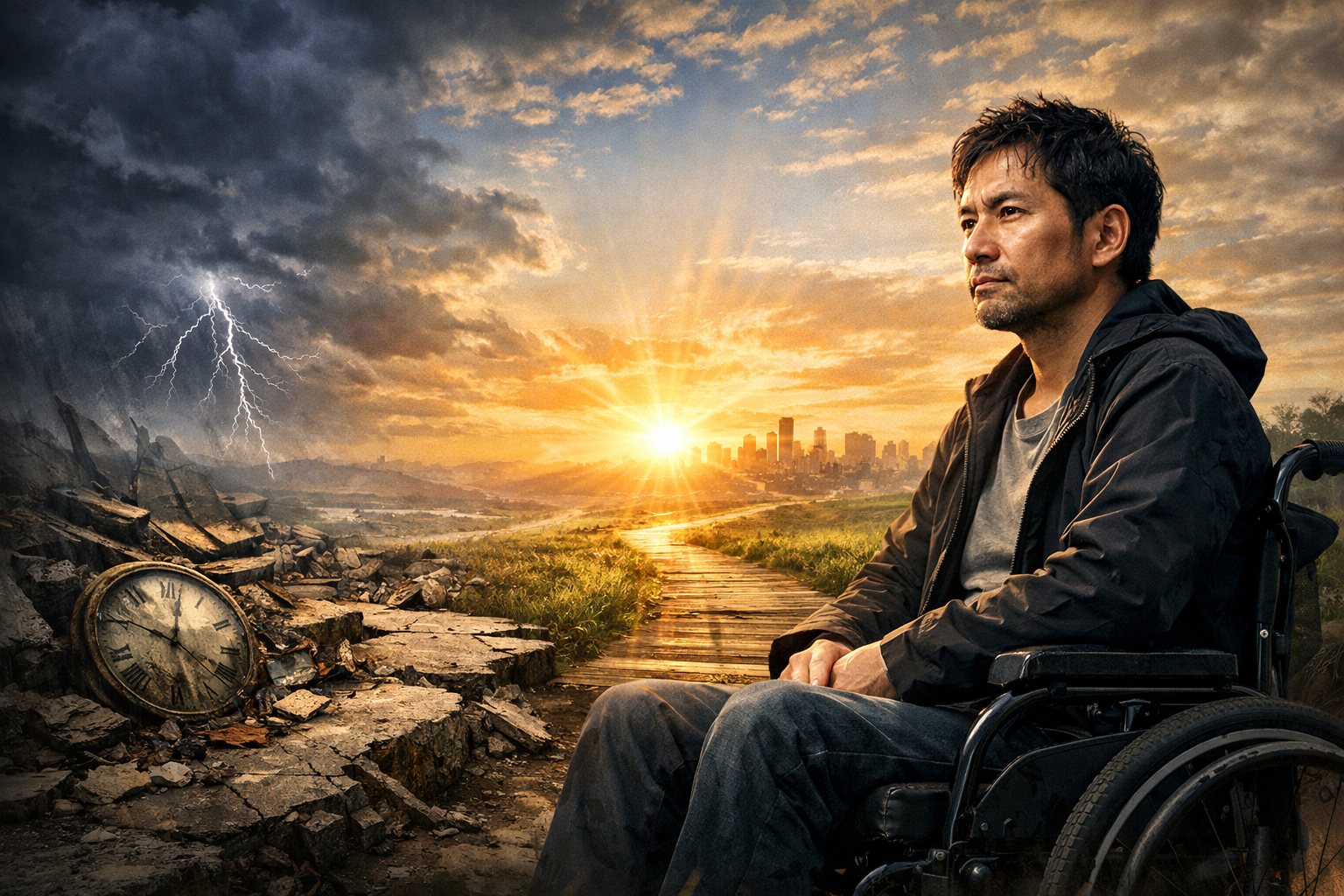
As someone living with a severe disability, I’ve become more aware of subtle seasonal changes. And what I’ve been noticing in recent years is this:
“Japan’s four seasons are slowly fading away.”
2. The Four Seasons Once Moved Our Hearts
The four seasons aren’t just temperature shifts. They’re woven into how we live, feel, and express ourselves.
Spring blossoms, summer cicadas, autumn leaves, winter snow — these aren’t just scenery. They awaken emotions and form the backdrop to Japanese culture.
2-1. The Deep Link Between the Seasons and the Japanese Language
Haiku, tanka poetry, seasonal phrases, and the 24 seasonal divisions — the Japanese language is rich with words that delicately capture seasonal changes.
“Spring haze,” “summer night,” “autumn insects,” “winter moon” — these expressions reflect not just nature, but our emotional connection to it.
2-2. The Taste of Seasons in Everyday Life
Spring vegetables, summer watermelon, autumn saury, winter hot pots —
Japanese cuisine has always been closely tied to the seasons. The flow of time used to add flavor and meaning to our meals.
But now, we’re losing that connection.
3. Japan’s Climate Is Becoming Rainy and Dry
A major shift is happening in Japan’s climate.
3-1. The Shrinking of Spring and Autumn
What used to be three-month seasons are now condensed into just a few weeks.
Spring sometimes feels like a brief moment in April. Autumn can start and end in November before cold temperatures rush in.
3-2. A Shift Toward Southeast Asia’s Rainy-Dry Pattern
- May–October: Hot and humid rainy season (typhoons, torrential rain)
- November–April: Relatively dry season (sunny, but with wide temperature swings)
Japan is beginning to resemble tropical monsoon regions with just two primary seasons — rainy and dry.
This signals a transition from “the country of four seasons” to a new, more extreme climate.
4. When the Seasons Change, Culture Changes Too
4-1. Seasonal Words No Longer Match Reality
Seasonal words used in haiku and tanka used to reflect actual experiences. That link is weakening.
- Spring snow — often no longer falls
- Autumn insects — sometimes vanish before autumn
When nature no longer aligns with poetic tradition, our cultural identity begins to blur.
4-2. The Disappearance of “Seasonal Taste”
Low catches of autumn fish, early harvests of fruits, seafood seasons shifting — climate change is transforming food traditions.
With supermarkets offering the same ingredients year-round, younger generations may begin to wonder: “What does ‘in season’ even mean?”
5. What If Japan Only Had a Rainy and Dry Season?
5-1. Rethinking Clothing, Housing, and Daily Life
- Fashion: Spring and autumn outfits disappear; only summer and winter styles remain
- Housing: Waterproofing, heat shielding, and ventilation become crucial
- Lifestyle: Adapting to extreme weather becomes standard
A new climate means we must redesign our lives from the ground up.
5-2. Losing the “Gradation” in Sensibility
Gradual seasonal changes made us sensitive to small shifts — wind direction, scent in the air, the slant of sunlight.
But with extreme seasons, we may lose that ability to notice subtle beauty.
That’s a loss not just of nature — but of emotional richness.
6. What Disability Taught Me About the Power of Sensing
After becoming physically disabled, I began to sense the world more deeply.
- The change in humidity before rain
- An insect’s out-of-season chirp
- The warmth of light filtering through the window
These little shifts have become daily joys and reminders that I’m still alive, still part of this Earth.
That’s why I believe:
Even if Japan’s four seasons disappear, as long as we keep our ability to feel, our sensitivity can be reborn.
7. Conclusion | Even Without Four Seasons, Let Us Keep Our Beautiful Sensitivity
Losing our four seasons is not just an environmental shift. It’s a cultural and emotional crisis.
But we still have:
- The power to give names to new seasons
- The ability to connect our hearts to small moments in nature
- The culture to express what we feel and share it with others
Even if we live in a world of just rainy and dry seasons, we can invent new seasonal expressions:
- “Sunlight After Torrential Rain”
- “Silent Winter Morning with No Wind”
- “Insects Gone Before Autumn”
Climate may change — but our ability to feel beauty does not have to die.
I believe in that. And so, I keep listening to nature’s quiet voices each day.














コメントを残す