Meta Description (SEO: within 155 characters)
Discussions aren’t about winning. A severely disabled blogger reflects on dialogue as a tool for agreement and coexistence, based on life experience and philosophy.
Primary SEO Keywords (naturally embedded)
discussion consensus / debate win or lose / dialogue skills / social discussion / embracing differences / purpose of debate / resolving conflict / disabled dialogue experience / listening skills / Habermas dialogue philosophy / discussion and trust
Introduction | Have You Ever Felt That You Just Couldn’t Understand Someone?
“No matter what I say, they won’t listen.” “They only talk about their own ideas.” “I lost the argument and just felt frustrated.” — Have you ever felt exhausted from a discussion like that?
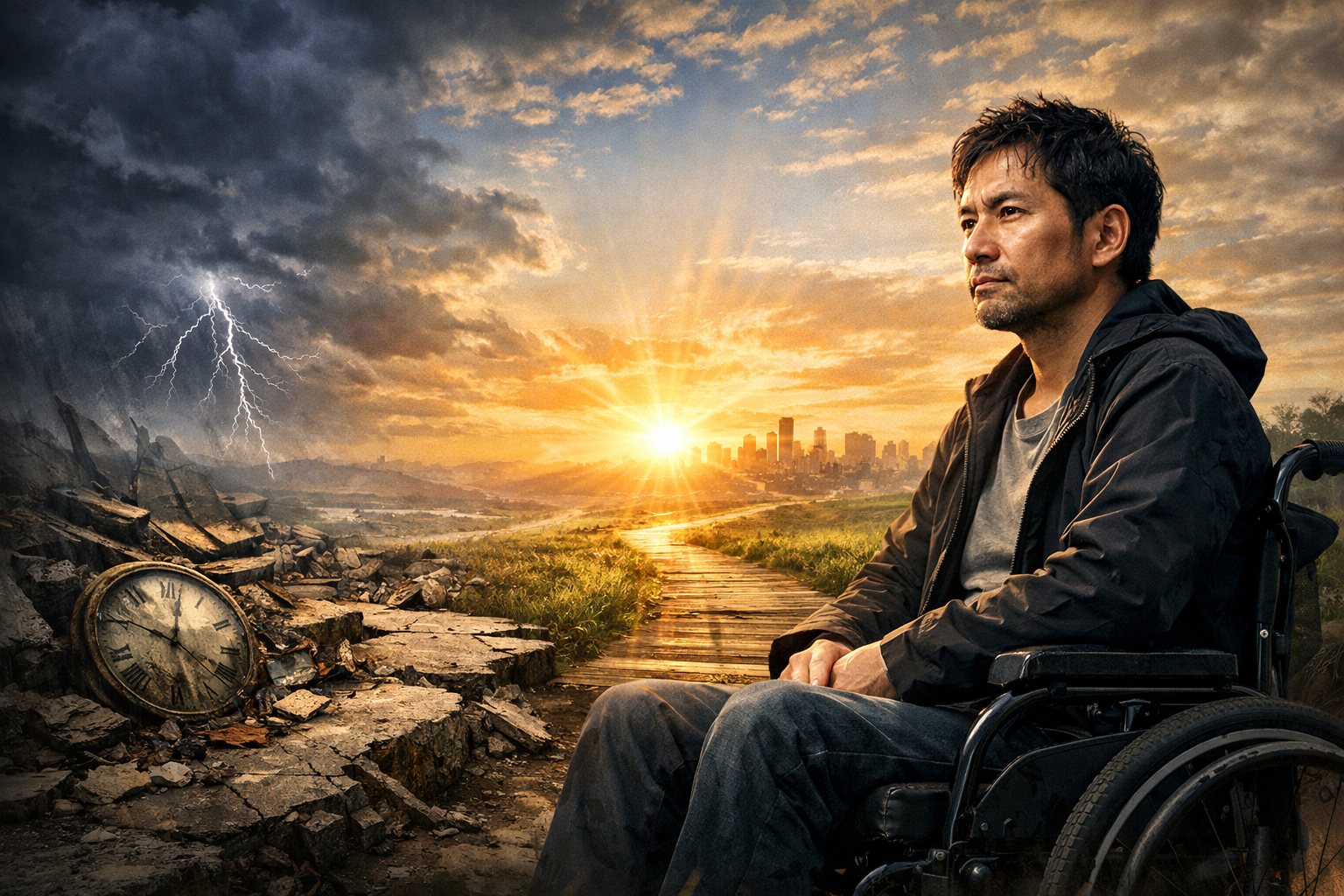
After suffering a cerebral hemorrhage, I became severely disabled and went through a long process of rehabilitation and reintegration into society. Through it all—rehab, daily life as a person with a disability, work, family, friendships—I learned something profound: the goal of discussion isn’t to win, but to bridge the seemingly unbridgeable.
In this article, I invite you to rethink everyday discussions and ask: “What would a society built on dialogue truly look like?” Let’s find that answer not through conclusions, but through questions and mutual steps forward.
Chapter 1 | Is Discussion About Defeating the Other?
1-1. Is “Debate Victory” Meaningful?
On social media and video platforms, “debating” has become a kind of entertainment. Titles like “Watch me destroy their argument” abound. But is that really meaningful dialogue?
1-2. Discussion Isn’t About Winning—It’s About Building Bridges
True discussion is about building a bridge of understanding between different shores. It begins with the desire to reach the other person, to understand their viewpoint. Discussion is the art of building mental bridges.
Chapter 2 | Why Do We Try to “Win” in Discussions?
2-1. The Trap of Being “Right” and the Hunger for Approval
No one wants to be wrong. We fear being mocked or misunderstood, which fuels the need to win. But in discussion, being “wrong” is often just the beginning of learning, not a personal failure.
2-2. As a Person with a Disability: Seeking Understanding, Not Victory
Living with a disability means constantly facing misunderstanding. The urge to be recognized becomes stronger. And sometimes, that transforms into a desire to win arguments as proof of existence. But true understanding comes not from victory, but from vulnerability.
Chapter 3 | Consensus: The Other Goal of Discussion
3-1. Understanding Is Greater Than Agreement
The point of a discussion isn’t always to reach agreement. Instead, it’s about discovering why someone thinks the way they do. The value lies in the difference. That difference creates space for maturity and innovation.
3-2. Real-World Example: Rehabilitation as a Model for Consensus
During rehab, I couldn’t speak or move well. But through continuous conversations with therapists, we built mutual trust. “Today I walked five steps.” “I pronounced that word.” — These were milestones built through daily consensus and collaboration.
Chapter 4 | Why Japanese Society Struggles With Discussion
4-1. The Culture of “Reading the Room” Blocks Dialogue
In Japan, maintaining harmony and avoiding conflict is considered virtuous. But this can prevent people from voicing dissent. When that happens, problems remain unresolved and connection fades.
4-2. Social Maturity Requires “Weeding” Conflict, Not Avoiding It
Instead of avoiding disagreement, we should tend to it. Like weeding a garden, we remove harmful growth and let diversity bloom. True consensus requires patience, care, and the willingness to keep talking.
Chapter 5 | Your Role in Building Consensus
5-1. Sincerity Over Correctness
In discussion, being “right” is less important than being sincere. Communicate clearly, listen openly—that’s all it takes to elevate any conversation.
5-2. Listening Is Not Just a Skill—It’s a Way of Being
As a counselor, I’ve learned that true listening means listening with your heart, not just your ears. It’s the intent to understand that builds trust and enables agreement.
Chapter 6 | Dialogue as Philosophy: Habermas and the Ethics of Communication
German philosopher Jürgen Habermas emphasized “communicative rationality.” It’s the idea that society is built through honest dialogue aimed at mutual understanding—not through power or domination.
This kind of discussion is the very foundation of democracy.
Chapter 7 | Dear Reader: Changing One Conversation Can Change Everything
- Instead of jumping to refute, start by listening
- Say “I see your point” before offering your view
- Enjoy differences instead of fearing them
- Don’t cut ties just because you disagree
These simple practices can transform your discussions—and your relationships.
Conclusion | Discussion Is a Technique for Creating the Future
Discussion is not about beating others. It’s about co-creating a future across our differences.
As someone who lives with a disability and stands on society’s “other shore,” I know this deeply: Even when we can’t agree, the attempt to understand matters.
When you change one conversation today, it might ripple into something much greater tomorrow. I wrote this piece believing in that power.
Let’s build bridges, not walls.

















コメントを残す