SEO Meta Description (within 155 characters)
Japan cannot recover from its “Lost Decades” by clinging to the past. A severely disabled blogger rethinks Japan’s economy from zero to uncover the path forward.
Target SEO Keywords (naturally embedded)
- Japanese economy rethink
- Zero-based thinking
- Lost decades of Japan
- GDP obsession
- Post-growth strategy
- Inclusive economy
- Disability and economics
- Design under constraint
- Sustainable economic indicators
- Escaping economic nostalgia
Table of Contents
- Introduction | The End of “Trying to Recover”
- Why Japan Can’t Escape Its “Lost Decades”
- What Is Zero-Based Thinking? | Letting Go of the Past
- Beyond the Growth Myth | Rethinking What Value Means
- Constraints Drive Creativity
- An Economy Built for Only the Able Is Failing
- What My Disabled Life Taught Me About Economic Design
- You Can’t “Create the Future” While Clinging to the Past
- Proposals for a Zero-Based Japanese Economy
- Final Thoughts | A Future Built on Honesty, Not Strength
1. Introduction | The End of “Trying to Recover”
“How can we recover from Japan’s lost decades?”
That question itself is the problem.
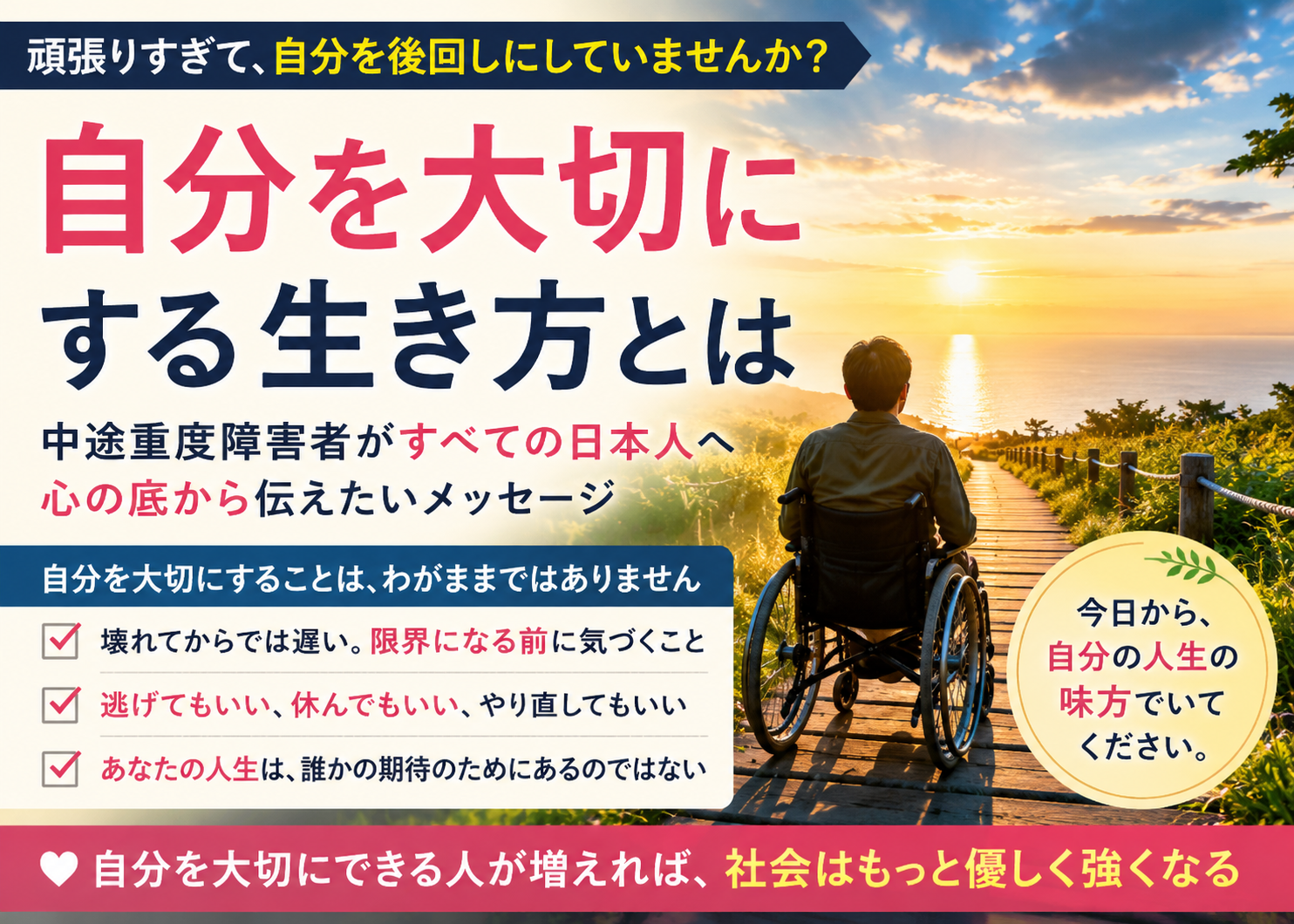
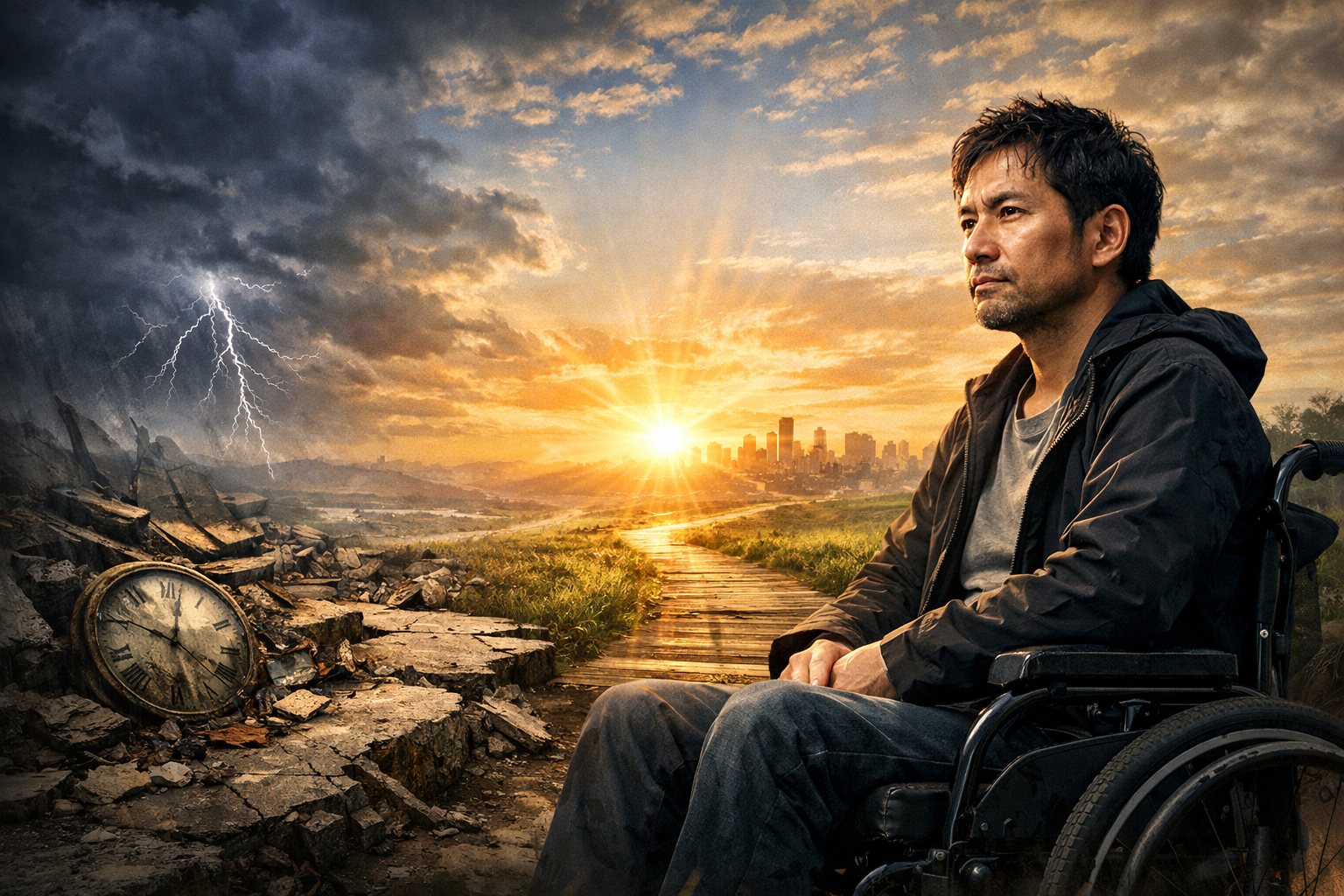
Like many people with disabilities, I once tried to “get back to the life I had.” But the more I clung to my past, the more I lost my present.
Japan’s economy is doing the same thing.
Obsessed with returning to a past ideal, we are blind to what’s in front of us.
It’s time to stop trying to “recover.”
We need to rebuild from where we are now.
2. Why Japan Can’t Escape Its “Lost Decades”
2-1. Haunted by the Bubble Era
Japan still idolizes its 1980s economic boom.
Policies and institutions remain rooted in the logic of that time.
But those conditions—demographic growth, cheap labor, global tailwinds—will never return.
2-2. Patchwork Fixes That Miss the Point
What we’ve seen for 30 years:
- Consumption stimulus → Temporary lift → Collapse
- Childcare policies → Infrastructure investment → Still declining birthrates
- Monetary easing → Financial speculation → Widening wealth gap
These are all symptom treatments, not root solutions.
3. What Is Zero-Based Thinking? | Letting Go of the Past
3-1. Rethinking the Very Questions We Ask
Zero-based thinking doesn’t mean destroying everything.
It means asking: “Is this assumption still valid?”
- Do we need endless GDP growth?
- Why is full-time employment the baseline?
- Is work the only source of human value?
3-2. My Lived Experience
After acquiring a severe disability, I tried to rebuild my old life—and failed.
Only when I started asking new questions from my new reality did life begin to move again.
Japan needs to do the same.
4. Beyond the Growth Myth | Rethinking What Value Means
4-1. GDP ≠ Happiness
Japan ranks high in GDP, but low in life satisfaction.
GDP only measures production and consumption—not emotional well-being, nature, or community.
4-2. From “More” to “Meaningful”
Japan is past the stage of needing more of everything.
Now, it’s about maintaining quality of life with fewer people and fewer resources.
5. Constraints Drive Creativity
5-1. Designing with Limits Is the Ultimate Challenge
Disability forced me to optimize every action, rethink every routine.
Likewise, Japan’s challenges—aging population, fiscal limits, declining workforce—are not weaknesses.
They are design constraints that demand smarter solutions.
5-2. Japan’s Constraints = Opportunities
- Population decline → Decentralized communities
- Aging society → Knowledge transfer systems
- Fiscal strain → Smarter spending, not bigger budgets
6. An Economy Built for Only the Able Is Failing
6-1. The Full-Time Worker Model Is Obsolete
We can no longer assume people will work 40 hours a week for 40 years.
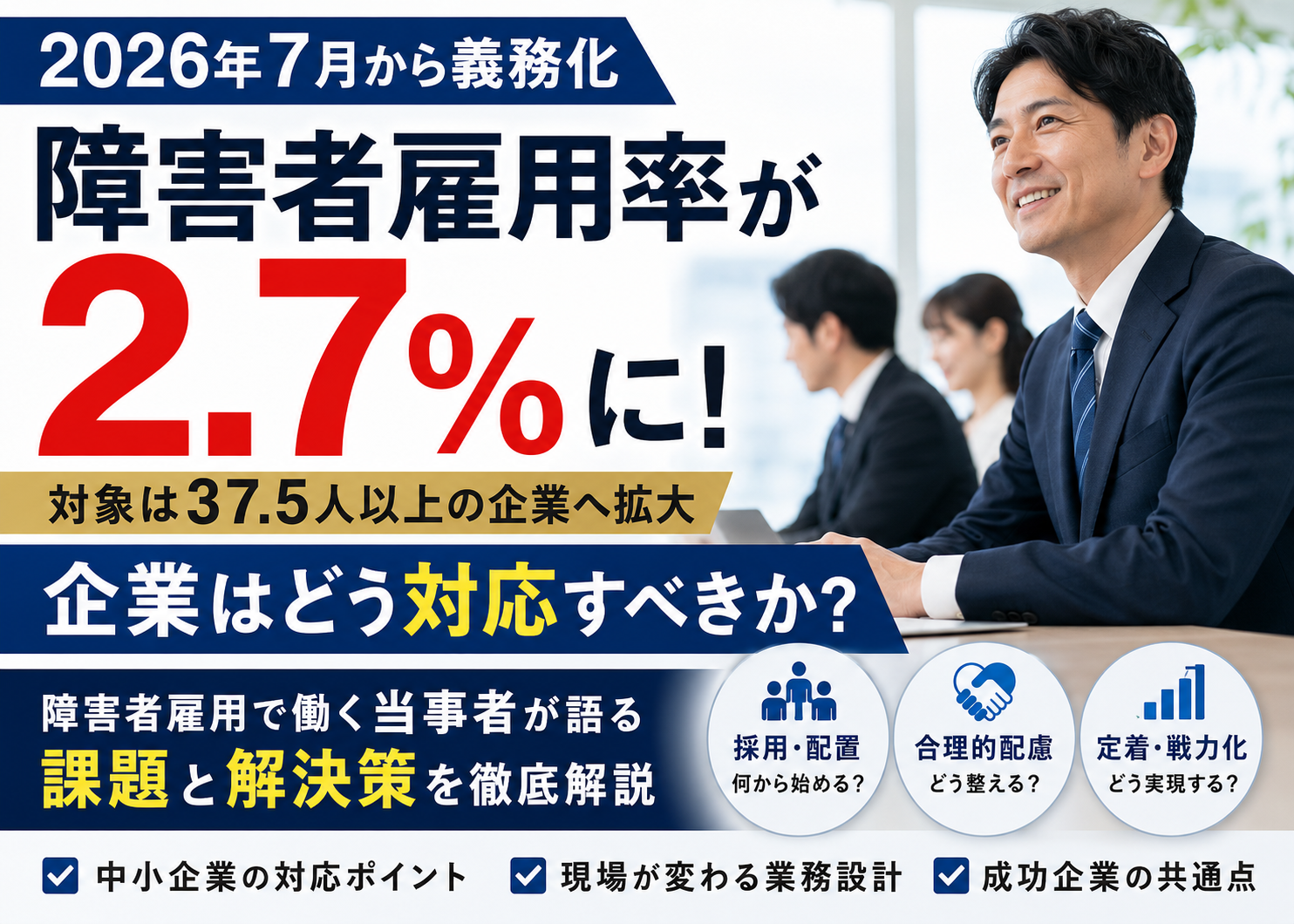
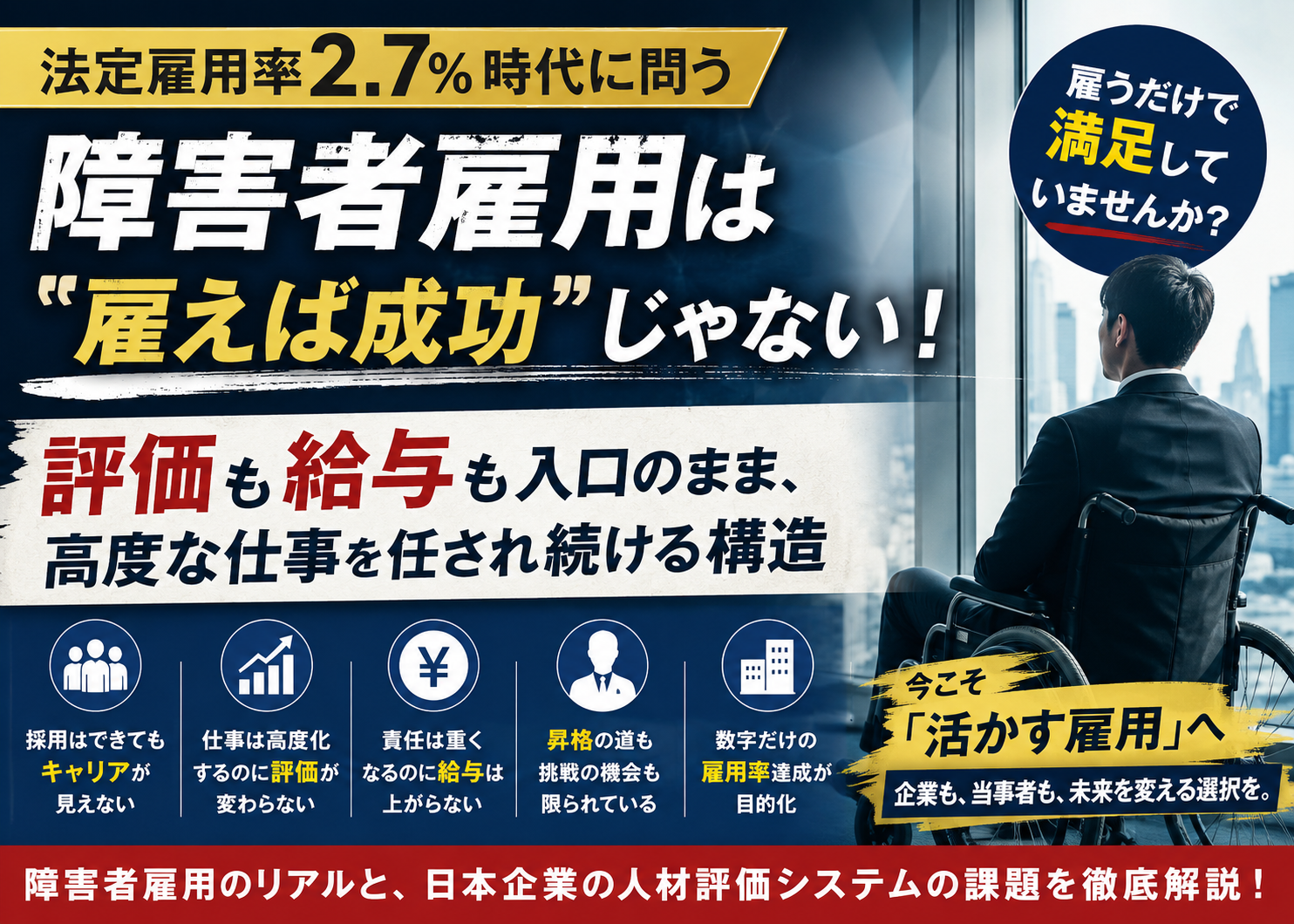
We need systems that include part-timers, the elderly, people with disabilities, and caregivers.
6-2. Redefining Value Beyond Labor
We must acknowledge non-market contributions:
- Listening
- Caring
- Being present
- Supporting others
These things matter—even if they don’t show up in GDP.
7. What My Disabled Life Taught Me About Economic Design
7-1. “Getting Back to Normal” Is a Dangerous Illusion
Trying to return to a lost past is often destructive.
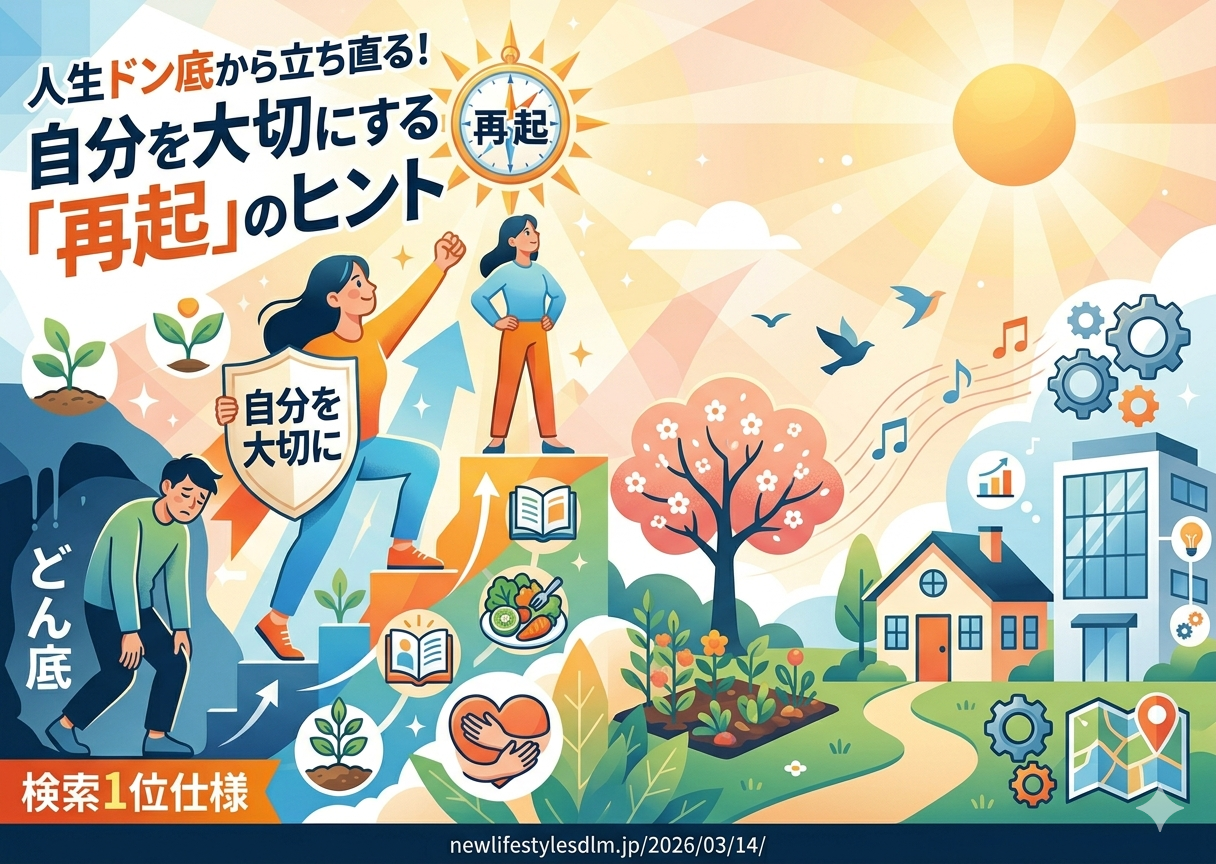
What helped me live again was creating something new from my current self.
Japan should do the same with its economy.
7-2. Time for a Structural Reset
- Redefine employment categories
- Shift from corporate-centered society to community-centered society
- Move from centralized control to local autonomy
8. You Can’t “Create the Future” While Clinging to the Past
Nostalgia is comforting—but deadly for innovation.
To build the future, we must release the past.
Zero-based thinking means starting from the present—not from the ruins of old assumptions.
9. Proposals for a Zero-Based Japanese Economy
9-1. New Metrics for a New Era
- Well-being index
- Environmental contribution score
- Diversity and inclusion rating
- Community participation metrics
9-2. Policy Innovations
- Explore basic income
- Build local economies
- Enable “slow work” and flexible careers
- Reward invisible labor (care, empathy, cultural preservation)
10. Final Thoughts | A Future Built on Honesty, Not Strength
Zero-based thinking is not cold logic.
It’s a deeply human response to loss and change.
I lost my old life, but not my future.
Japan has lost its old growth model, but still has the power to create something new.
The path forward is not about being strong.
It’s about being honest—about where we are, what we need, and what we can become.
Let’s start from zero—and build again.












コメントを残す