Meta Description
Using Trump’s tariff actions as a starting point, this article calmly analyzes differences from the Great Depression and the crisis management capabilities of today’s economy. From a mid-career severely disabled person’s view, we explore real-world systems and regional economic resilience.
Main Keywords
Trump Tariffs Great Depression
Trump Policies Economic Impact
Economic Crisis and System Response
Regional Economic Resilience
Disabled Workers Economic Anxiety
Introduction | A Calm Look at the Phenomenon of “Trump Tariffs”
In 2025, former President Trump’s tariff policies have once again drawn attention. High tariffs targeting China, Mexico, and the EU have stirred fears of “a recession on the scale of the Lehman shock” or “the reoccurrence of the Great Depression.”
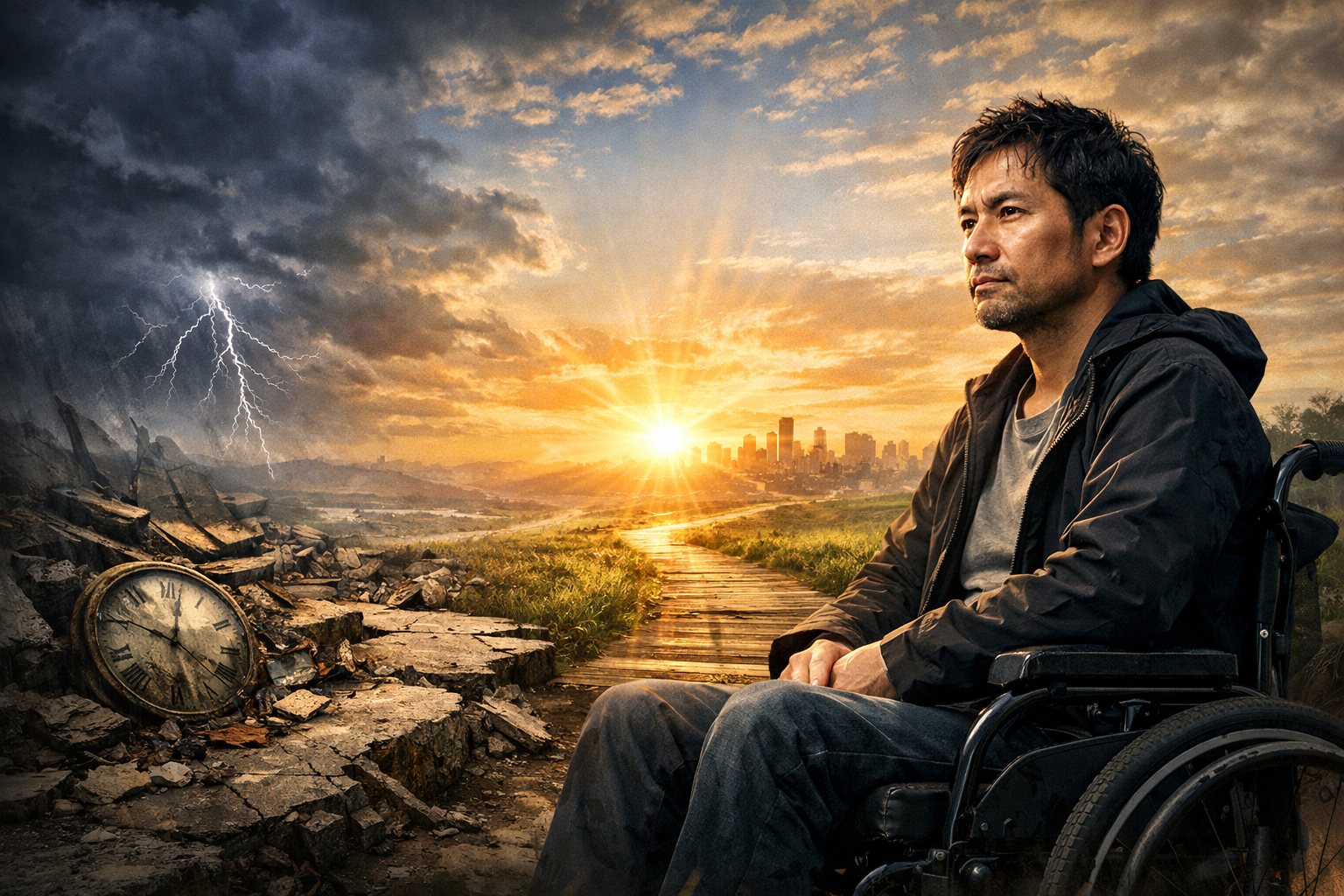
However, I believe these “Trump tariffs” should not be viewed merely as numbers, but as an “action” testing the true strength of our modern economic structures and crisis management abilities.
Living with a severe disability acquired mid-career, I have felt the impact of economic changes firsthand. That is why I strongly feel the need to look beyond surface-level fear and assess the underlying structural strengths and vulnerabilities.
Chapter 1 | Trump Tariffs — The Meaning and Limits of Protectionist Actions
Trump tariffs are policies that impose high duties on foreign imports in the name of protecting domestic industries. The main targets are China, Mexico, and EU countries, shaking the foundations of international trade.
Expected Impacts
Acceleration of domestic inflation in the U.S.
Damage to certain industries due to trade friction
Pressure to restructure global supply chains
Still, these are “temporary shocks” and do not signify the collapse of the global economy itself. Trump tariffs are merely one action among many, and the world economy has the flexibility to adapt.
Chapter 2 | Going Beyond the Simple Equation of “Tariffs = Great Depression”
The narrative that “tariffs will trigger another Great Depression” contains several logical pitfalls.
1. The Gap Between Figures and Substance
Tariff rates and economic indicators only tell part of the story
The Great Depression was triggered by systemic collapse and financial paralysis
2. The Uncertainty of Policy Continuity
Trump tariffs carry strong political overtones and may be altered or softened
International reactions could significantly alter outcomes
3. The Existence of Modern Shock Absorbers
Global financial and fiscal cooperation frameworks
Flexible currency and monetary easing policies
A single action does not immediately trigger a global depression — that is the calm and realistic assessment.
Chapter 3 | The “Structural Resilience” and Crisis Management of Today’s Economy
Today’s global economy has crisis management capabilities that are far superior to those of 1929.
Modern Resilience Mechanisms
Rapid monetary policy responses by the FRB, ECB, and others
Global coordination through the IMF and G20
Labor and income flexibility through the digital economy
As long as these systems are in place, the risk of localized shocks snowballing into a global chain reaction is significantly reduced.
Chapter 4 | What Really Matters for Disabled Workers
For mid-career severely disabled individuals like myself, what truly matters is not the sensational headlines about economic news but rather:
Whether social security systems remain sustainable
Whether regional economies can remain resilient
Whether welfare, medical, and employment support systems continue uninterrupted
Practical Themes Worth Focusing On
Robustness of income protection (pensions, livelihood support)
Securing diverse work options (remote work, side jobs, disability employment)
Recovery capacity of local communities (municipal support, welfare networks)
What we truly need is not to listen to voices that fan anxiety, but to cultivate an eye for assessing the strength of our systems and communities.
Conclusion | Focusing on Structure Rather Than Overreacting to Action
The Trump tariffs as an “action” may indeed cause temporary disruptions in the global economy. However, modern society has learned from past pains and built multi-layered defenses through “adaptation and correction.”
Thus, rather than succumbing to fear, we should:
Evaluate the sturdiness of our systems
Inspect our personal living foundations
Strengthen our ties with our communities
──This is the time to nurture the calm intelligence needed for such actions, I firmly believe.
Crises may come. But the wisdom to prepare already lives within us.

障害者雇用で経営者が本当に知るべきは「制度」より「一次情報」――元管理職から中途重度障害者になって見えた組織の盲点
制度や成功事例だけでは見えない、障害者雇用の現場があります。元管理職として「仕事を任せる側」…












コメントを残す