Hello. As a person who returned to work after becoming severely disabled midlife, I now share my experiences through this blog—from the perspective of someone who lives and works with a disability.
In this article, I’d like to dive deep into the theme of “disability employment,” specifically for HR personnel, executives, small businesses, and startups. We’ll examine both legal systems and organizational culture reform. Key SEO terms include “disability employment,” “statutory employment rate,” “diversity management,” “reasonable accommodation,” and “inclusive workplace.”
What Is the Statutory Employment Rate? Understanding the Legal Framework for Disability Employment
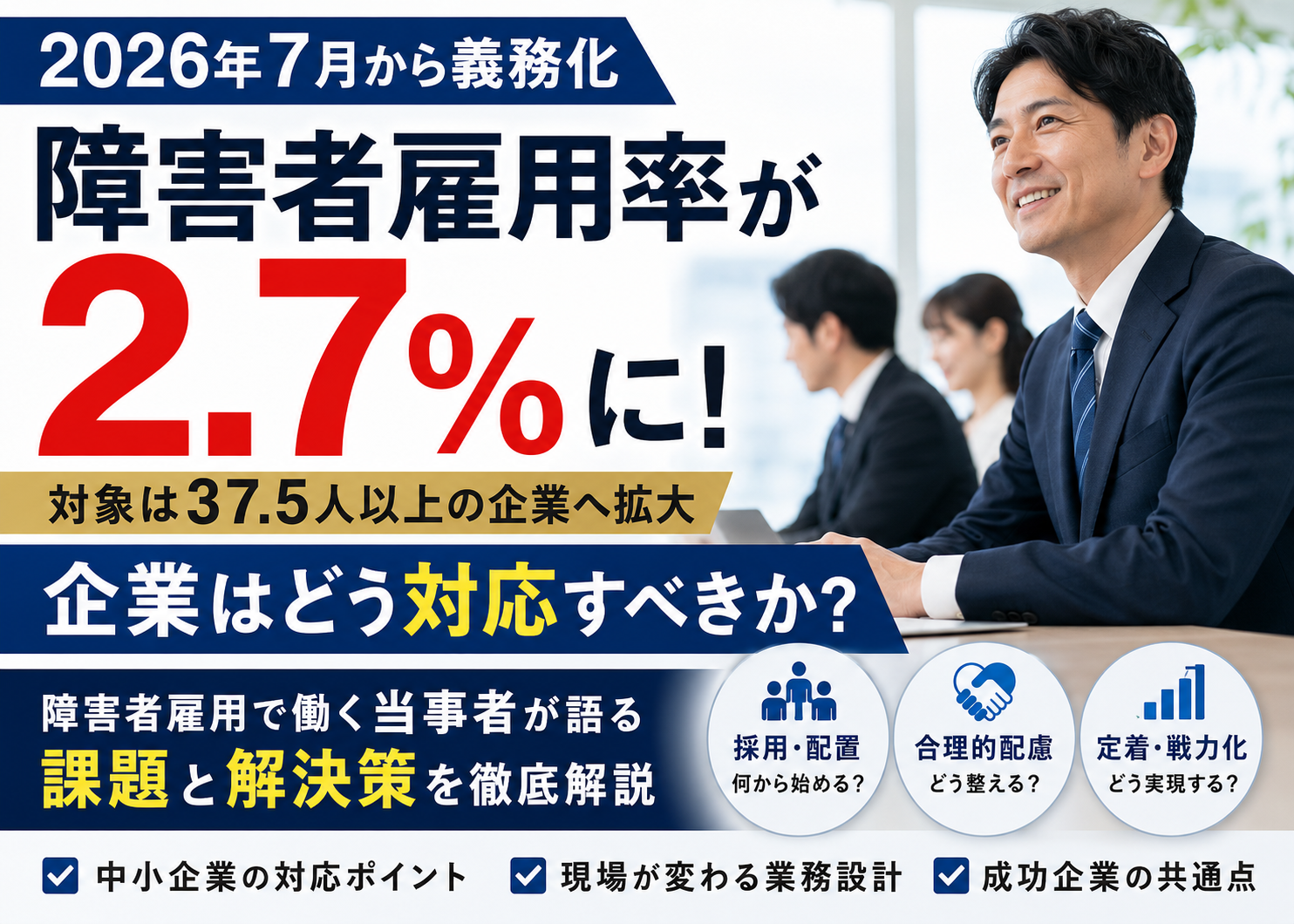
In Japan, the Act on Employment Promotion for Persons with Disabilities requires private companies to hire a certain percentage of employees with disabilities, depending on their workforce size. As of April 2024, the statutory employment rate is 2.5%, and it will rise to 2.7% by 2026. Companies with more than 40 employees must comply, or they may be obligated to pay a levy for not meeting the quota.
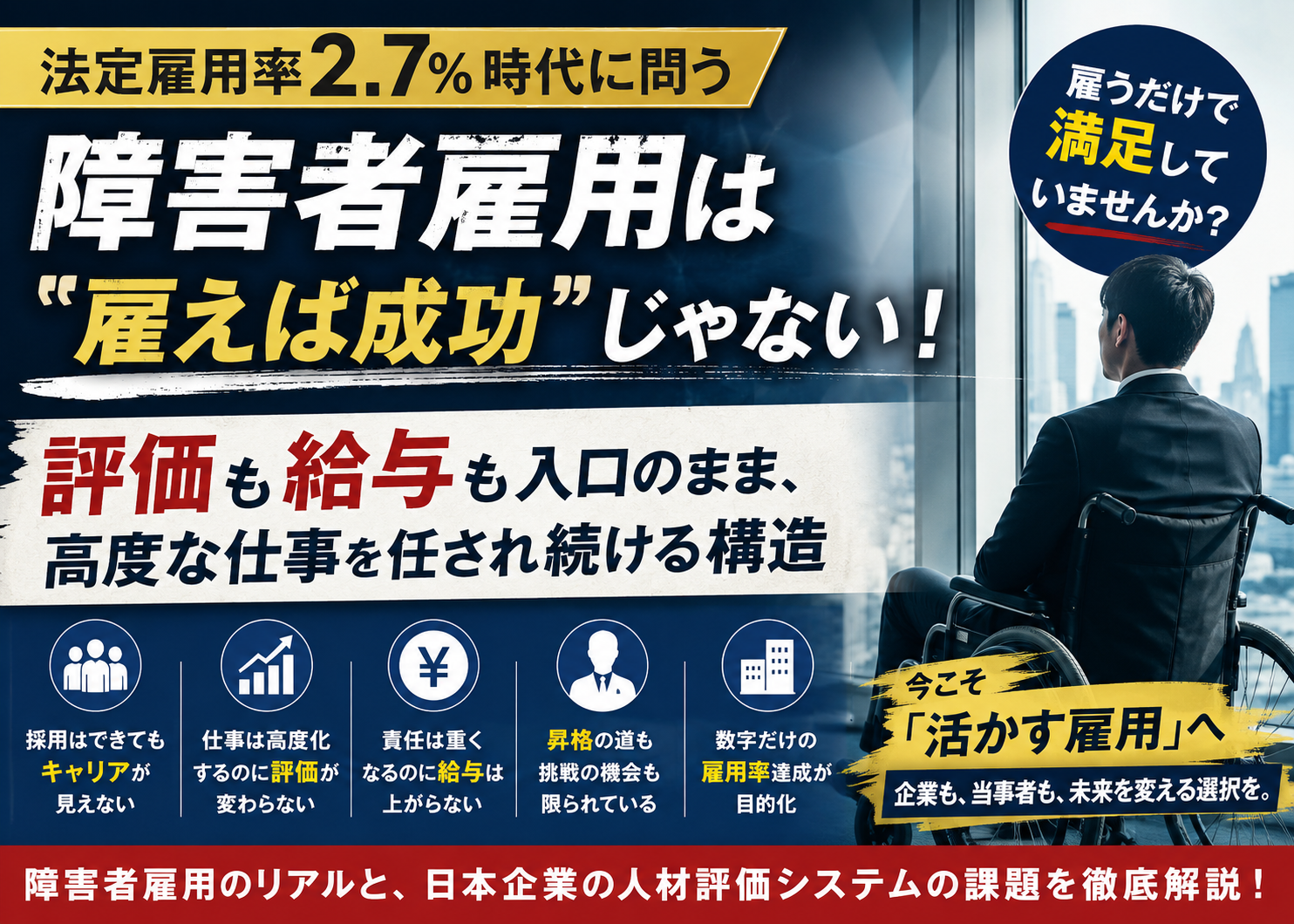
But disability employment isn’t just about meeting quotas. It’s a genuine opportunity to enrich organizational culture and diversify human capital.
Inclusive Workplaces Benefit Everyone: Creating Comfortable Environments for All
A workplace designed for people with disabilities often ends up being more comfortable for everyone.
Barrier-free layouts and desk arrangements benefit all employees
Visual manuals and task visualization improve overall understanding and productivity
Flexible work options (remote work, staggered hours) support work-life balance for parents and caregivers
These reasonable accommodations are not special treatment—they’re upgrades that make the workplace better for all.
Building Resilient Teams: How Disability Employment Cultivates Organizational Flexibility
Employees with disabilities may need flexible work hours due to health conditions or medical appointments.
As a result, organizations that accommodate them develop:
Teams that can handle sudden absences
Visible and shareable workflows that reduce dependency on specific individuals
A culture of mutual support and understanding
Such resilience benefits not only employees with disabilities but also those dealing with health issues, parenting, or caregiving responsibilities.
Driving Cultural Transformation Through Disability Employment: A Practice of Diversity & Inclusion
Disability employment is an essential strategy in practicing true diversity management. Working alongside people with different abilities leads to:
Improved empathy and communication skills
Greater mutual understanding and psychological safety
Evolved management that harnesses individual strengths
This is not just about hiring. It’s about cultivating a culture of working together, strengthening the organization’s inclusiveness and humanity.
Disability Employment as Value, Not Risk: Enhancing Brand and Human Capital
Some may view disability employment as a burden. However, support from external services like job coaches and financial subsidies makes implementation more accessible.
Companies that embrace disability employment:
Improve their reputation through CSR and ESG investment alignment
Strengthen their employer brand with a reputation for diversity and inclusion
Reduce compliance and human capital risks
Disability employment adds multidimensional value to a company.
My Personal Experience: Why Inclusive Workplaces Matter
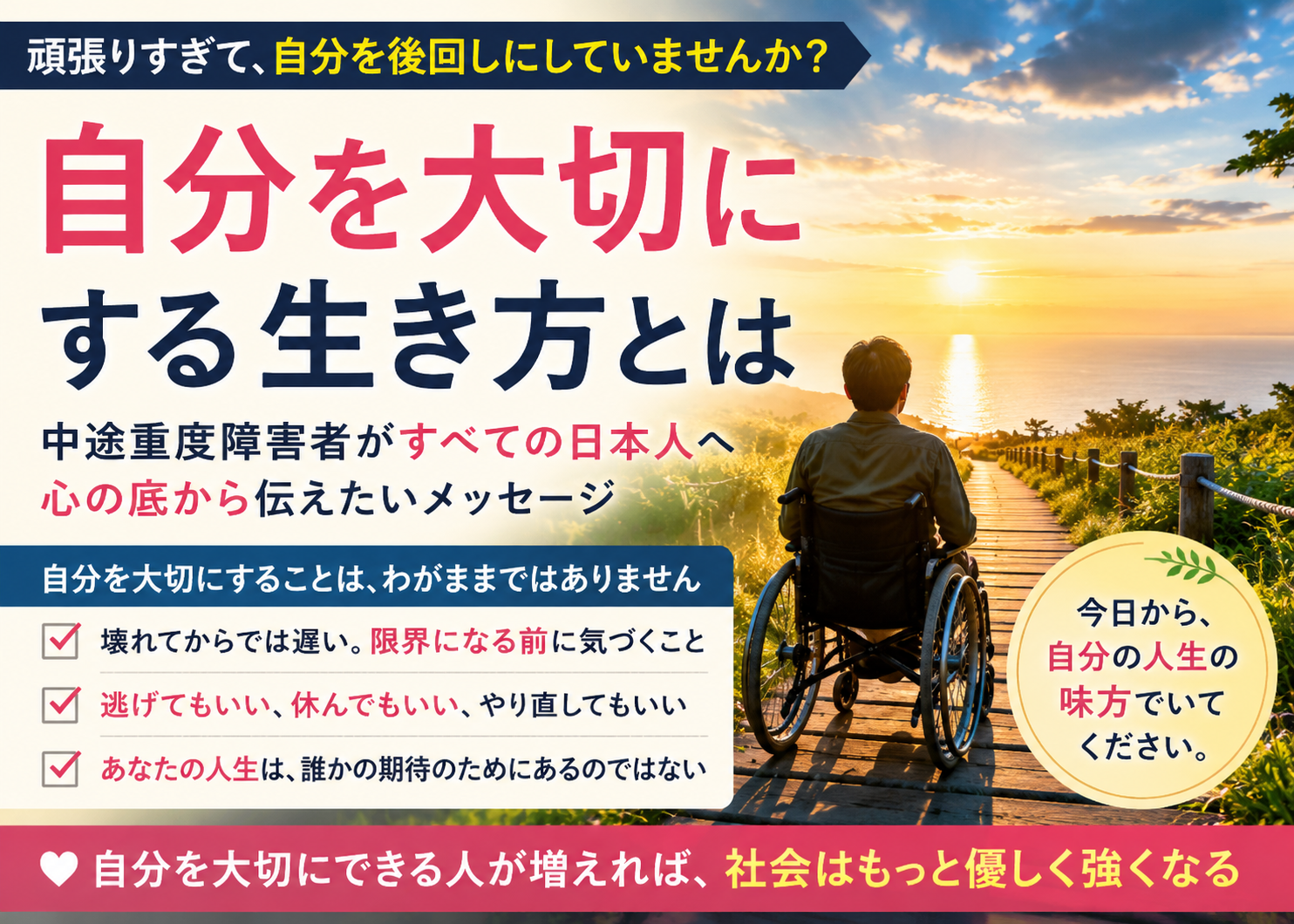
Ten years ago, I had a stroke that left the left side of my body paralyzed. I became a person with a severe physical disability. At the time, I almost gave up on working.
But a company welcomed me, saying, “Let’s find a way for you to work with your strengths.”
That experience is what fuels my desire to promote disability employment today.
So, to companies out there, please remember:
Disability employment is not just “for society” or “because it’s the law.”
It’s a valuable opportunity to support individual lives
It’s a strategic decision that shapes the future of your organization
Conclusion: Disability Employment as a Forward-Looking Business Strategy
Implementing disability employment is far more than legal compliance.
It enhances diversity and flexibility within the organization
It strengthens corporate responsibility and credibility
It builds resilience against unexpected disruptions
















コメントを残す