Table of Contents
What is Chu-yoku? Origin and Meaning
Right Wing vs. Left Wing: Where Chu-yoku Stands
The Background: A Perspective from a Person with a Disability
Three Key Features of Chu-yoku: Dialogue, Empathy, and Intelligence
From Division to Harmony: What Chu-yoku Aims for
Conclusion: Chu-yoku as a New Form of Diversity
Frequently Asked Questions (FAQ)
1. What is Chu-yoku? Origin and Meaning
Chu-yoku (literally “middle wing”) is a new term that represents a balanced and empathetic way of thinking—neither right-wing nor left-wing. The word is also a play on pronunciation: “chu-yoku” sounds like “nakayoku” in Japanese, which means “getting along.”
Rather than promoting extreme views, Chu-yoku seeks harmony, mutual respect, and shared understanding between differing ideologies.
Chu-yoku is a mindset that embraces dialogue over division and empathy over hostility. It offers a new perspective for the challenges of today.
2. Right Wing vs. Left Wing: Where Chu-yoku Stands
Common Values in Right-Wing Ideology
Respect for tradition, family, and the nation
Emphasis on personal responsibility
Prioritization of social order and discipline
Common Values in Left-Wing Ideology
Equality, diversity, and social justice
Protection of vulnerable and minority groups
Advocates for systemic change and individual freedoms
Where Chu-yoku Fits
Acknowledges the merits of both sides without leaning too far into either
Seeks balance between public support and personal effort
Emphasizes open dialogue and mutual understanding rather than labeling people as enemies or allies
3. The Background: A Perspective from a Person with a Disability
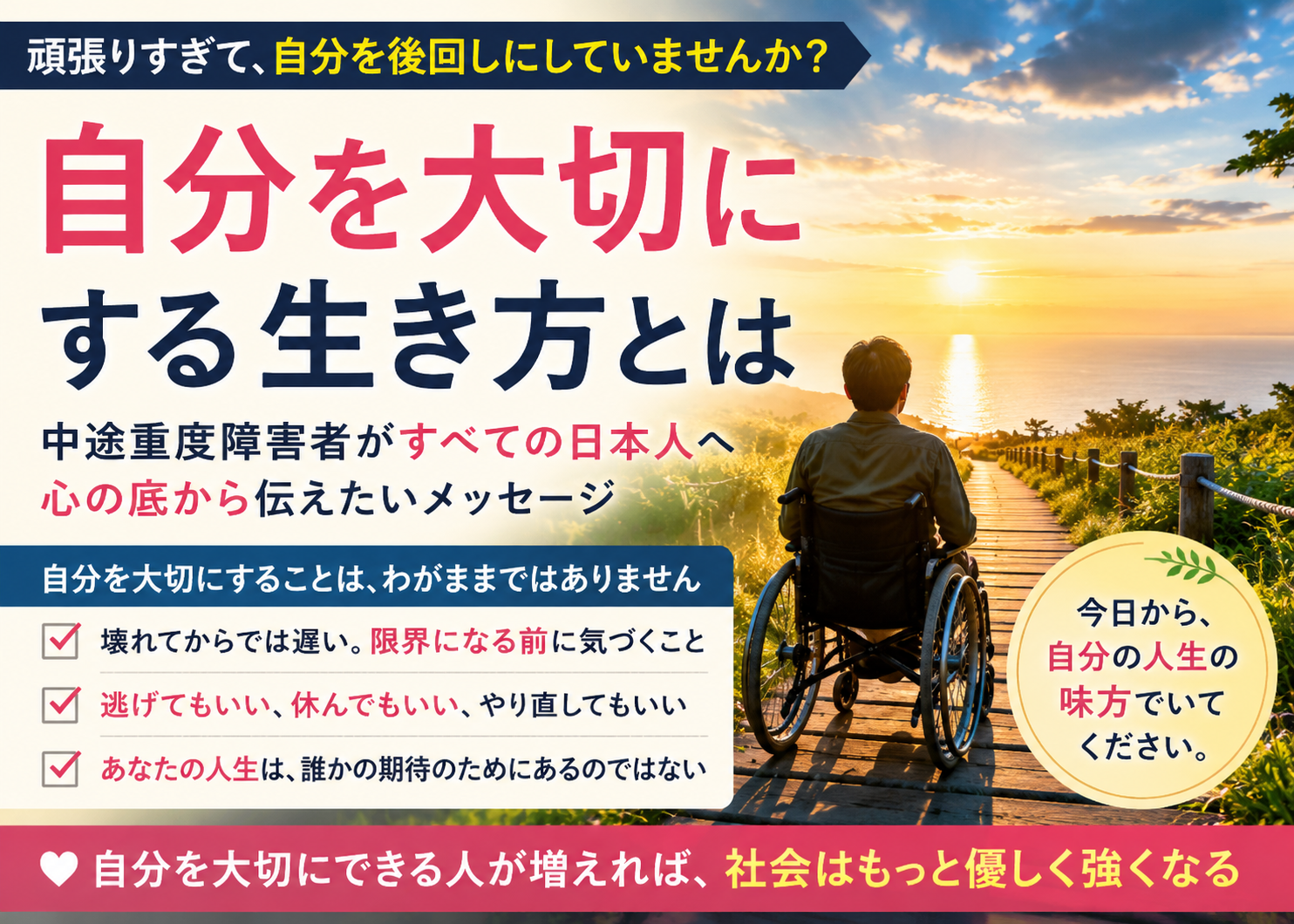
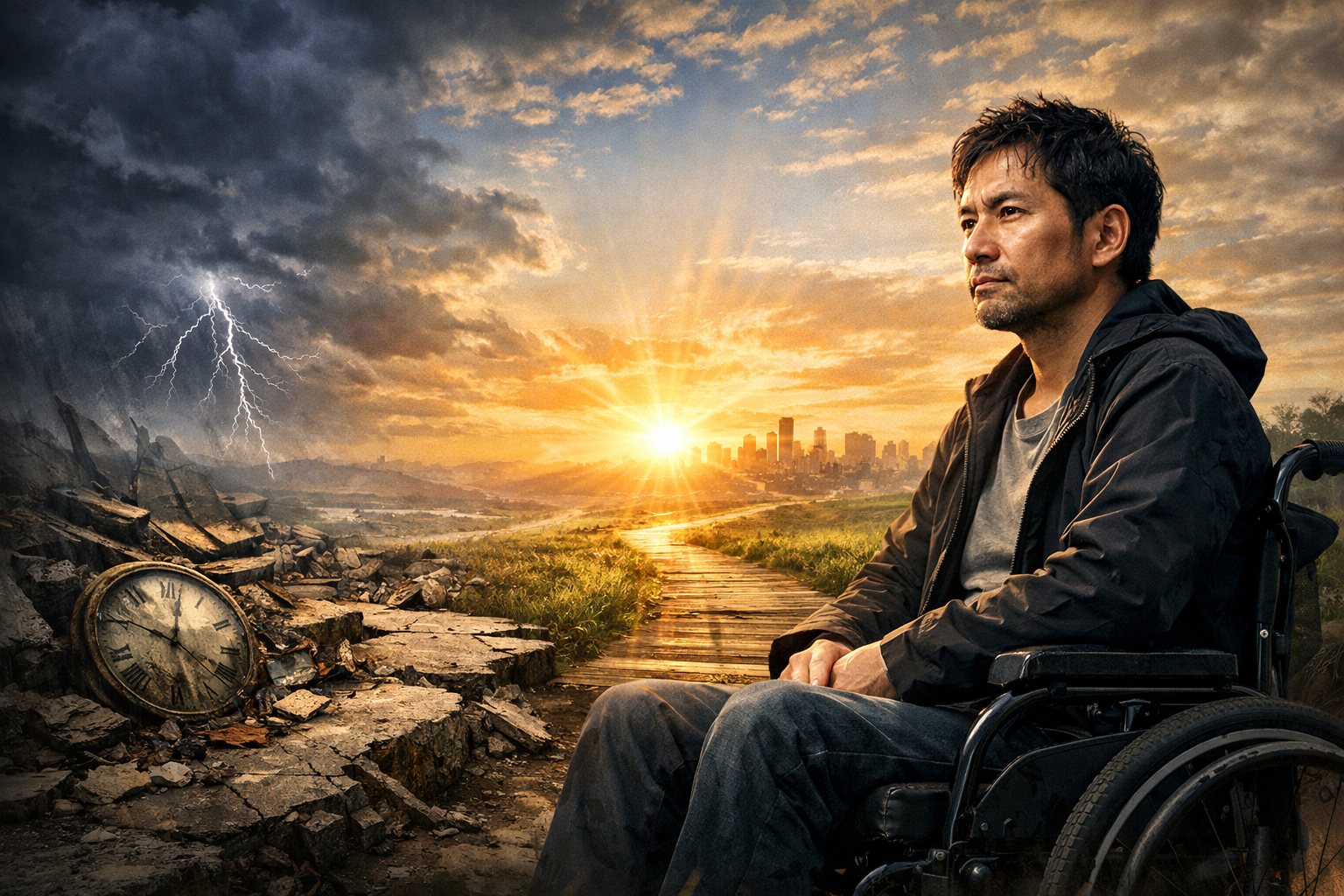
I became severely disabled after a sudden stroke. As a once-healthy working person, I had to adapt to a new life where I relied on social systems and care services.
This shift made me realize the importance of welfare systems, but also exposed me to harsh criticisms like “don’t rely on others” or “just try harder.”
Living in that tension taught me something important:
Neither side has all the answers.
I needed support and personal effort. I needed compassion and responsibility.
That’s why I began to believe in a third way—a middle path, where we don’t choose sides but choose to connect sides. That’s what Chu-yoku means to me.
4. Three Key Features of Chu-yoku: Dialogue, Empathy, and Intelligence
1. Prioritizing Dialogue
Chu-yoku encourages open-minded discussion with people from all sides.
Understanding someone’s struggles and dreams often leads to solutions that one-sided debates never reach.
2. Building a Culture of Empathy
Empathy isn’t about pity; it’s about wanting to understand others.
This mindset allows us to connect across physical, cultural, or ideological differences.
3. Balanced, Intelligent Thinking
Chu-yoku is not “neutral,” but integrative. It seeks to combine the best aspects of multiple perspectives.
It’s about making realistic and thoughtful choices, not clinging to one ideology.
5. From Division to Harmony: What Chu-yoku Aims for
Modern society is filled with division:
Online arguments and polarization
Political extremes
Miscommunication in communities
In such a world, Chu-yoku offers a bridge—a way to reconnect people and ideas through empathy and dialogue.
Harmony isn’t weakness. It’s a form of courage and intelligence.
It allows people to live together, even when they’re different.
6. Conclusion: Chu-yoku as a New Form of Diversity
Chu-yoku offers a third way—neither right nor left
It was born from the lived experience of disability, where opposing ideas often intersect
Chu-yoku helps create a society where people don’t have to pick sides to be accepted
Even though the word is still new, I believe many people are already living this way—seeking peace over polarization, understanding over conflict.
If you’ve ever felt like you don’t belong on either side,
Maybe you’re already living with the spirit of Chu-yoku.
And maybe it’s time to say:
“Let’s live together in harmony.”
7. Frequently Asked Questions (FAQ)
Q1. How is Chu-yoku different from being neutral?
A. Neutrality means staying uninvolved. Chu-yoku means actively listening to both sides and building bridges between them.
Q2. Isn’t Chu-yoku too idealistic?
A. No—it takes strength and wisdom to empathize with others and seek harmony in a divided world.
Q3. Can anyone live by the Chu-yoku mindset?
A. Absolutely. When you choose conversation over conflict, you’re already practicing Chu-yoku.
If this article inspired you, please share it with the hashtag #ChuYoku or #MiddleWayThinking.
Together, we can build a culture of compassion and shared wisdom.

障害者雇用で「仕事を切り出す」だけでは足りない
――元課長・中途重度障害当事者が考える「人を活かす仕事の再設計」
障害者雇用で「仕事を切り出す」だけでは、本当の人材活用にはつながりません。健常者時代に課長を…













コメントを残す