Table of Contents
What is Yoka Hospital? — A Lifeline for the Tajima Region
What Are Acute Care Beds? — A Critical Medical Function
Yoka Hospital’s Current Situation: Entering a Phase to Reconsider Acute Care Beds
The Reality of Doctor and Nurse Shortages in Rural Japan
The Perspective of a Person with a Severe Disability — Living with Medical Insecurity
What Can We Do to Support Rural Healthcare?
Conclusion — Rebuilding a System That Protects Lives in Rural Areas
1. What is Yoka Hospital? — A Lifeline for the Tajima Region
Located in the Tajima region of northern Hyogo Prefecture, Yoka Hospital has long served as a core medical facility supporting the lives of local residents. In this mountainous and aging region, far from urban centers, Yoka Hospital is not just a hospital—it’s an essential part of the community’s survival infrastructure.
Currently, the hospital is facing significant challenges and has entered a phase where it may need to reconsider the structure and sustainability of its acute care functions, including the possibility of reducing its number of acute care beds.
2. What Are Acute Care Beds? — A Critical Medical Function
Acute care beds are hospital beds dedicated to treating life-threatening emergencies such as strokes, heart attacks, or severe injuries. These beds require highly specialized staff and advanced medical equipment, functioning as the “front line” of healthcare.
As someone who suffered a cerebral hemorrhage years ago, I was saved thanks to being admitted to an acute care bed immediately after collapsing. Without it, I would not be alive today.
3. Yoka Hospital’s Current Situation: Entering a Phase to Reconsider Acute Care Beds
Although Yoka Hospital has not yet reduced its acute care beds, it is entering a phase where such a restructuring may need to be seriously considered. Why?
A chronic shortage of doctors and nurses
The need to reform working conditions in healthcare
National policies emphasizing community-based and home healthcare
Financial strains caused by Japan’s current medical reimbursement system
These factors make it difficult to maintain the current acute care system indefinitely. Thus, a strategic and long-term review of hospital bed usage is becoming an urgent topic, not only for Yoka Hospital but for many rural hospitals across Japan.
4. The Reality of Doctor and Nurse Shortages in Rural Areas
Rural hospitals across Japan are struggling with staffing issues, and Yoka Hospital is no exception.
Young doctors tend to prefer working in urban areas
Nurses find it hard to balance life and work in remote settings
Limited opportunities for continuing education in rural hospitals
As a result, it is becoming increasingly difficult to secure enough qualified personnel to support acute care. This is forcing hospitals to reconsider how to sustainably deliver emergency services in these regions.
5. The Perspective of a Person with a Severe Disability — Living with Medical Insecurity
As someone living with a severe disability, I’ve come to understand deeply the importance of having access to acute care. In rural areas, however:
Emergency transport can be delayed due to snow or natural disasters
The nearest emergency hospital may be far away
Population decline and aging lead to the emergence of “medical deserts”
If acute care beds become less available, people like me might not survive the next emergency. That is the harsh reality.
6. What Can We Do to Support Rural Healthcare?
To either avoid or manage responsibly the reduction of acute care beds, we need a collective response from communities.
Raising awareness of the current situation among residents
Making rural healthcare settings more attractive to professionals
Offering career development and lifestyle support for young medical workers
Building collaborative systems among healthcare, welfare, and local governments
This isn’t just about hospitals. It’s about creating a supportive ecosystem where healthcare can be sustained by everyone in the community.
7. Conclusion — Rebuilding a System That Protects Lives in Rural Areas
The idea of reducing acute care beds is not about giving up.
It’s about rethinking how we can protect lives more effectively in the long term, even in regions with limited resources.
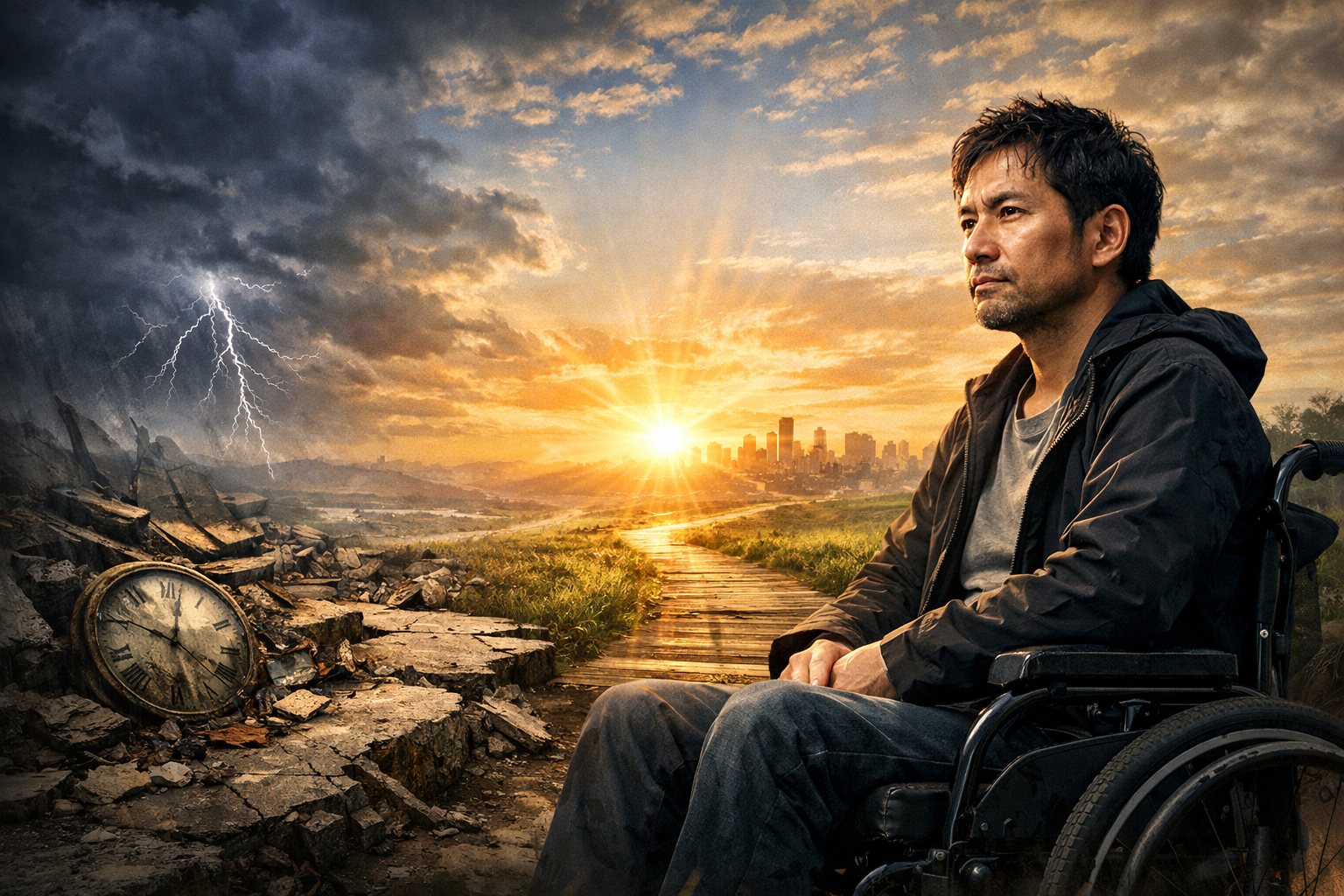
Yoka Hospital symbolizes a growing challenge in rural Japan—a point where we must start serious discussions. As a person with a disability, I speak not just from theory but from lived experience: we need a healthcare system that assumes people will fall ill or collapse unexpectedly—not one that only serves the healthy.
We still have time.
But time is not unlimited.
Now is the moment to ask ourselves:
What kind of community do we want to live in, and how do we keep each other alive within it?












コメントを残す