A Perspective from a Person with a Severe Acquired Disability
Introduction – Why I Emphasize the Importance of Education
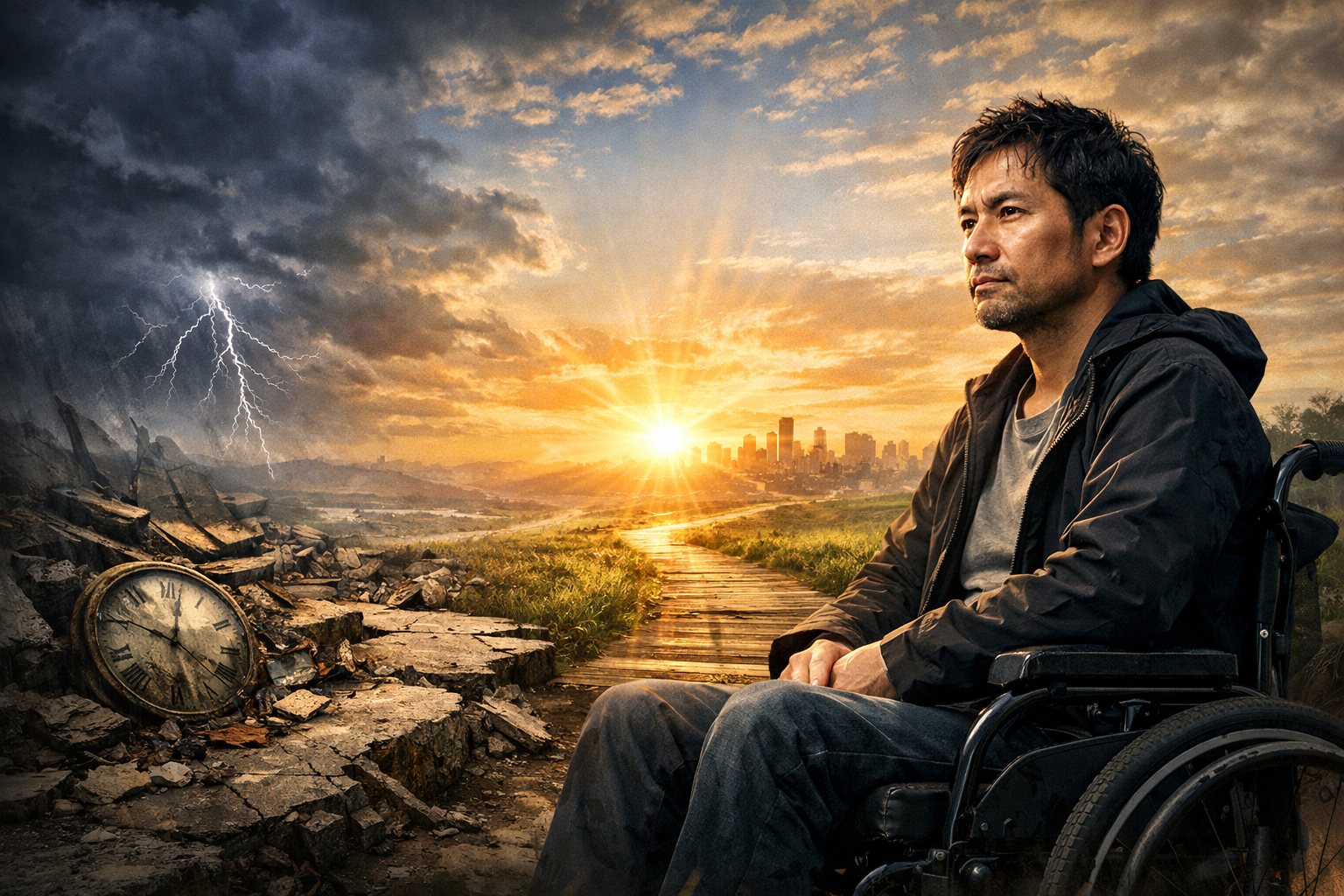
As a person with a severe acquired disability, I fully understand the importance of welfare. Without social support, living with a disability would be incredibly difficult.
However, despite recognizing the necessity of a strong welfare system, I still firmly believe in this:
“While enhancing welfare is important, investing more in children’s education is even more crucial.”
For society to truly become inclusive, where people with and without disabilities naturally support and live alongside each other, early education is essential.
In this article, I will explain why education is just as important as welfare, why I strongly advocate for education reform, and what actions we can take together to improve our society.
Changing Education Will Change Welfare Itself
Education is Key to Eliminating Prejudice
Throughout my life as a person with a disability, I have often been viewed as “pitiful” or as someone who “needs help.” While these perceptions are not always meant maliciously, they create a barrier to treating people with disabilities as equals.
But where does this perception come from? I believe it stems from a lack of education about disabilities during childhood.
Imagine if children learned about disabilities from a young age and had regular interactions with disabled classmates. They would naturally come to understand that people with disabilities are not to be pitied, but rather fellow members of society who contribute in their own ways.
If children are educated this way, they will grow up to see people with disabilities not as those who need constant assistance, but as individuals who deserve equal opportunities.
Changing education will change social perceptions.
Changing social perceptions will change how welfare is structured.
That is why education matters.
Fostering the Ability to “Survive in Society”
When I became disabled, I had to completely rethink my way of life. The job I once took for granted was no longer an option, and I had to find new ways to work and sustain myself.
This experience made me truly realize the importance of education.
Schools teach us math, science, and history. But they rarely teach how to manage money, what different career paths exist, or how to leverage personal strengths in society—the very skills necessary to survive in the real world.
If children were taught about diverse work styles and how to adapt to unexpected life changes, they would have a greater ability to navigate life’s challenges.
This applies not only to people with disabilities but to everyone. We all face hardships at some point—whether it’s job loss, illness, or other difficulties. When that time comes, what truly matters is whether we have the ability to adapt and find new paths forward.
This is why education must focus on fostering survival skills, not just academic knowledge.
Problems with Japan’s Current Education System
Moving Beyond a Knowledge-Based System
Japan’s education system is still heavily reliant on rote memorization and standardized testing. Students are trained to answer questions correctly, but they are not always encouraged to think critically or solve real-world problems.
However, in life, we constantly face problems with no single correct answer.
After becoming disabled, I was forced to tackle uncertain challenges like:
How can I continue working despite my disability?
How can I adjust my daily life to my new physical limitations?
How can I maintain connections with society?
There are no fixed solutions to these issues. I had to think creatively, try different approaches, and adapt based on experience.
Unfortunately, Japan’s education system does not sufficiently nurture this kind of problem-solving mindset. We need an education system that encourages students to think for themselves, explore different perspectives, and develop resilience in the face of uncertainty.
Bridging the Divide Between Disabled and Non-Disabled Students
Another major issue is the separation between students with and without disabilities.
In Japan, special education schools and regular schools are largely separate. As a result, many children with disabilities grow up in environments isolated from mainstream society.
This segregation means that by the time these children enter the workforce, they suddenly find themselves in an unfamiliar world where they must interact with non-disabled colleagues—people who have never been educated on how to engage with individuals with disabilities.
This makes workplace inclusion far more difficult than it should be.
To address this, Japan needs to promote inclusive education, where students with and without disabilities learn together. By growing up side by side, they will naturally develop understanding, empathy, and a sense of equality.
What Can We Do?
While large-scale education reform takes time, there are actions we can take immediately to bring attention to this issue:
Spread Awareness
Share this article to raise awareness about the importance of education reform.
Teach Children About Diversity
If you have children or younger relatives, talk to them about different ways of living and the importance of accepting others.
Use Social Media to Voice Opinions
By discussing education issues on social media, we can influence the public conversation and push for change.
Conclusion – We Have the Power to Shape the Future
Enhancing welfare is undeniably important. However, to create a society that is truly inclusive, we must first focus on education.
If children grow up in an environment where diversity is the norm and survival skills are taught, they will build a society where people with disabilities are naturally included and respected.
Changing education will change the future.
If this message resonates with you, please share this article or leave a comment.
Together, let’s work toward a society where no one is left behind, and everyone has the opportunity to thrive.











コメントを残す