In today’s society, we often hear phrases like “Everyone has the right to live equally.” But as someone who lives with a severe disability, I know all too well that this “equality” often conceals invisible barriers.
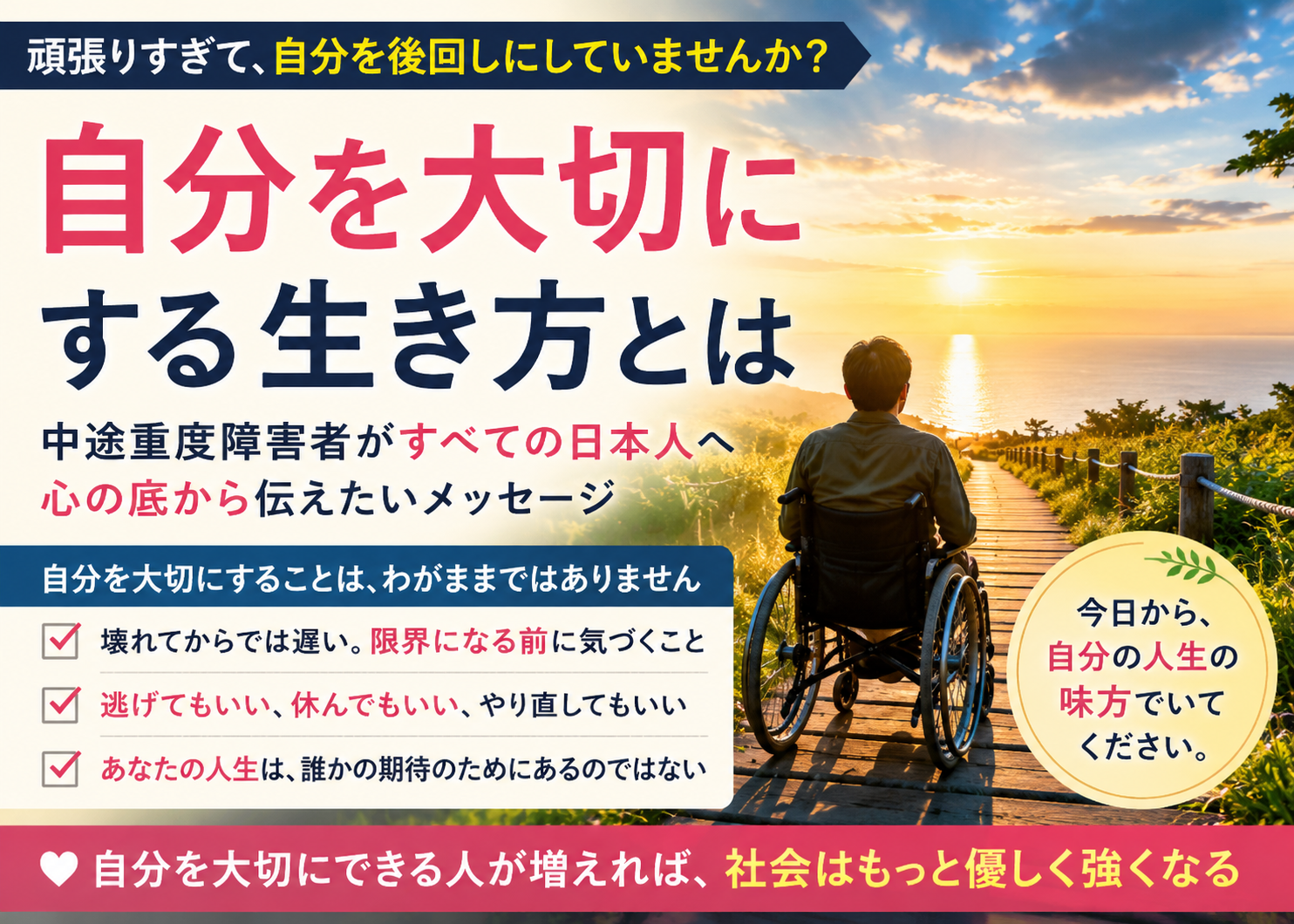
Ten years ago, I became a person with a severe disability. After countless hours of rehabilitation, I managed to return to work, balancing life with my physical limitations. However, I can’t ignore the gap between the disability welfare systems that exist on paper and the reality of our everyday lives.
At the same time, I understand the struggles that governments and society face: limited resources, complex priorities, and the challenge of creating sustainable systems.
So, what would a welfare system look like if we combined the perspectives of people with disabilities and those of policymakers? In this article, I aim to highlight the problems we face, share my perspective as a disabled individual, and invite readers to rethink disability welfare for a better future.
Why Does Living “Normally” Feel So Hard?
Welfare systems exist to support us. Yet for many of us, these systems don’t seem to fit our actual needs.
1. A Lack of Personalized Support
Disability welfare in Japan often takes a “one-size-fits-all” approach. Support is determined based on disability grades or medical criteria, but in reality, every person’s situation and challenges are unique.
For example, those of us with acquired severe disabilities may have the ability to work, yet we struggle with physical stamina, mental health, and the lack of proper rehabilitation programs. The systems in place rarely account for these nuanced needs.
My experience:
“I wanted to return to work, but the system assumed I didn’t need further support because I was ‘able to work.’ That’s not the reality.”
2. Limited Opportunities for Employment
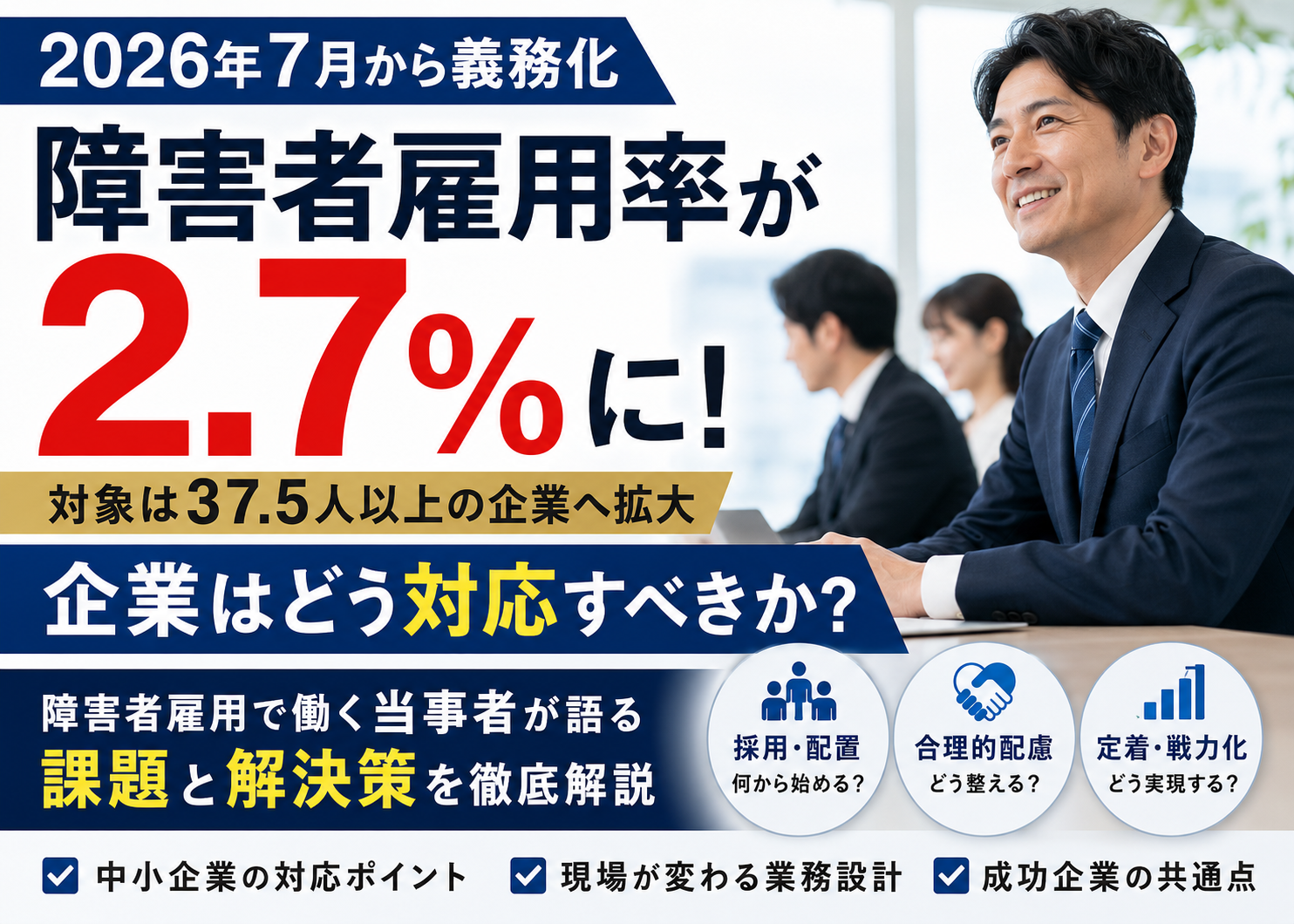
Thanks to legal frameworks like the Act on the Promotion of Employment for Persons with Disabilities, more opportunities exist today. However, these jobs are often limited to monotonous, repetitive tasks that do not utilize our skills or experiences.
For people like me, remote work could open doors to greater independence and self-sufficiency. Yet many companies remain hesitant to implement flexible work environments, leaving us with few viable employment options.
3. Complicated and Overwhelming Procedures
Welfare systems involve complex paperwork, processes, and approvals. For individuals who are newly disabled or lack strong family support, navigating these systems can feel overwhelming. This results in a situation where support exists, but people can’t access it.
The Government’s Perspective: Balancing Idealism and Reality
On the other side, governments and policymakers face significant challenges as they try to provide support:
Budgetary Constraints: Social security budgets are finite, particularly in a rapidly aging society like Japan.
Balancing Fairness and Flexibility: Expanding support systems requires careful consideration to ensure fairness and prevent overburdening resources.
Lack of Human Resources: The shortage of welfare workers and case managers makes it difficult to deliver individualized support.
While these challenges are real, we cannot ignore the struggles faced by individuals in need. We need to find a solution that bridges the gap between ideals and reality.
Towards a Better Future: Key Steps for Change
So, how can we move toward a society where everyone can live with dignity and independence? I propose three key steps:
1. Flexible and Digital Support Systems
The digitalization of welfare systems could make support more accessible and efficient. For example:
Online Consultation Services: A centralized platform where individuals can easily access information and resources.
Data-Driven Personalized Plans: By analyzing the needs of individuals, welfare programs can offer tailored solutions.
2. Supporting Employment and Skills Development
To address the employment gap, governments and businesses must work together to:
Promote remote work options for people with disabilities. This is particularly important for those with acquired disabilities who may have limited mobility.
Provide skills development programs to help individuals access jobs that match their abilities and interests.
3. Building Stronger Local Communities
Government resources are limited, but local communities can play a vital role in supporting people with disabilities. Collaborations between community organizations, local businesses, and welfare agencies can create flexible, person-centered solutions.
Creating a Society Where Living “Normally” Is Truly Normal
Disability welfare is not just a problem for disabled individuals. It’s about creating a foundation for a society where everyone can live a fulfilling and dignified life.
The truth is, disability can happen to anyone. Improving welfare systems today means building a safety net that may one day support you or someone you love.
The goal is not “special treatment” but rather a society where living normally is, well, normal.
Let’s bridge the gap between policies and reality. Let’s work together to ensure that support systems meet the needs of individuals, not just statistics.
This article is not just my story—it’s a call to action. If you found this article meaningful, share it. Let’s amplify the voices of those who need to be heard.
Together, we can take a small step toward creating a society where “living normally” isn’t an impossible dream but a shared reality.
Let’s build that future—one step at a time.

障害者雇用で「仕事を切り出す」だけでは足りない
――元課長・中途重度障害当事者が考える「人を活かす仕事の再設計」
障害者雇用で「仕事を切り出す」だけでは、本当の人材活用にはつながりません。健常者時代に課長を…














コメントを残す