Disability employment plays a crucial role in promoting diversity and creating an inclusive society. However, a common challenge lies in the misalignment of expectations between employers and job seekers. This misalignment, if left unaddressed, often leads to early resignation or workplace dissatisfaction.
Drawing from personal experiences, this article focuses on two key perspectives in disability employment: the “career advancement mindset” and the “stability and long-term employment mindset.” By understanding these two approaches, we aim to foster mutual understanding, broaden perspectives, and inspire both job seekers and employers to build successful employment relationships.
Understanding Different Employment Mindsets
In disability employment, the priorities of job seekers can generally be categorized into two distinct mindsets: the career advancement mindset and the stability and long-term employment mindset. The gap between these two can create significant friction if not acknowledged and addressed.
For instance, some individuals may prioritize “career growth and skill development,” while others may value “a safe and stable work environment” as their primary concern. Failure to recognize these differences can lead to dissatisfaction and early resignation for both parties.
What is the Career Advancement Mindset?
Job seekers with a career advancement mindset focus on growth opportunities and skill enhancement through work. They are often driven, aiming to achieve promotions or transition from disability employment frameworks to general employment settings. Key characteristics of this mindset include:
Clear Career Path: They want to know how they can progress within the company.
Performance-Based Rewards: Recognition for achievements is important.
Challenging Roles: They prefer tasks that allow them to utilize and develop their skills.
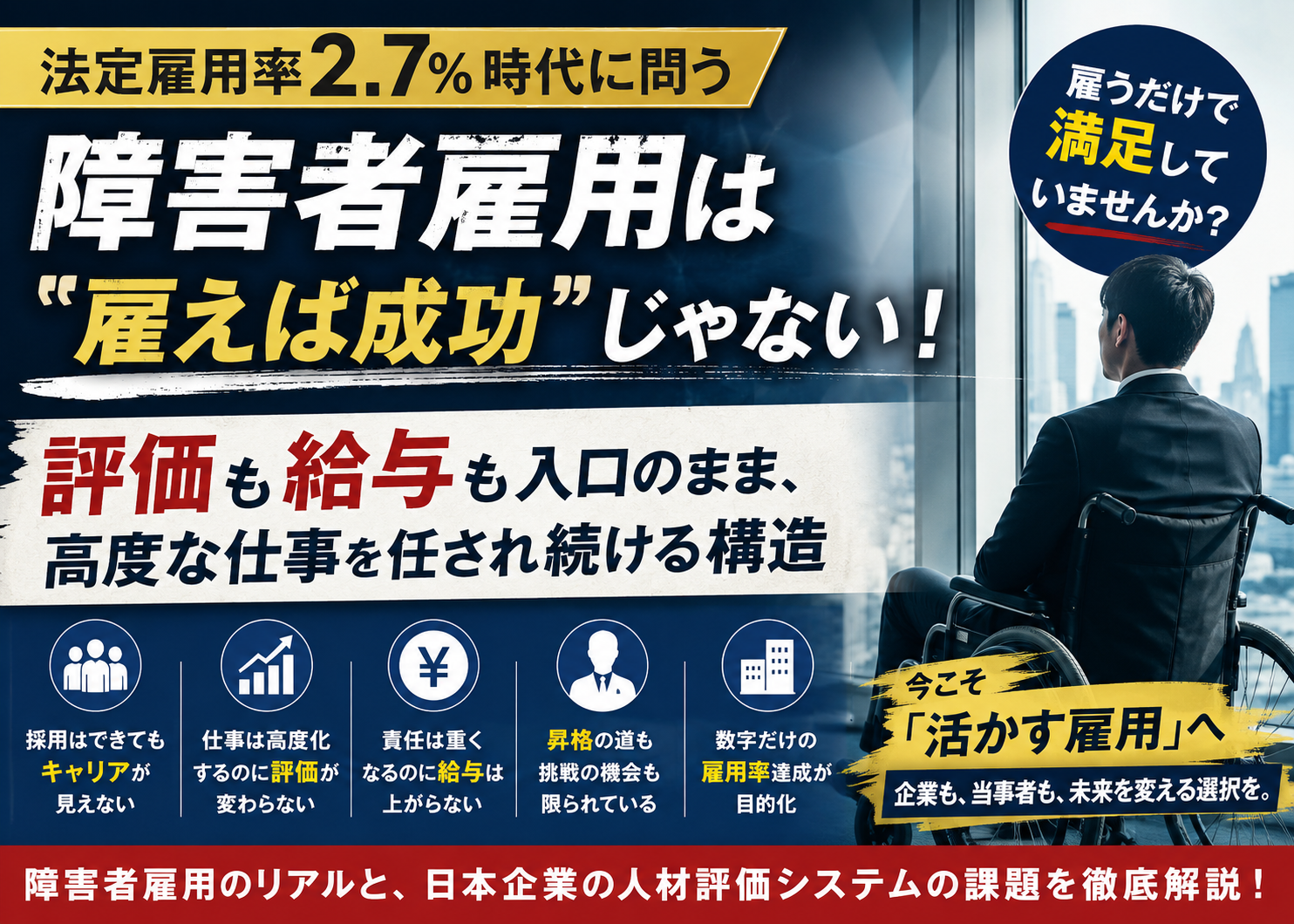
However, mismatched expectations can arise if the workplace cannot meet these aspirations. For instance, being assigned routine tasks without growth opportunities may demotivate them, leading to frustration and eventual resignation.
What is the Stability and Long-Term Employment Mindset?
In contrast, job seekers with a stability and long-term employment mindset prioritize a supportive and predictable work environment. This mindset often stems from managing the challenges of disabilities, where stability and balance are critical for overall well-being. Key preferences include:
Consistent Workload: Predictable tasks that minimize physical or mental stress.
Supportive Workplace: Accessibility and accommodations tailored to their needs.
Positive Work Relationships: A focus on minimizing interpersonal conflicts.
For this group, being placed in a highly competitive or results-driven workplace may lead to undue stress and make long-term employment unsustainable.
Why Aligning Perspectives Matters
Recognizing and aligning these two mindsets is crucial for building a positive and productive relationship between employers and job seekers. Without this alignment, early resignation and dissatisfaction are common outcomes.
For Job Seekers:
Clarify Your Own Mindset: Identify whether your priorities align more with career growth or stability. Clearly communicate your preferences during interviews to help employers understand your goals.
Visualize Your Ideal Future: Have a clear image of your desired career trajectory and share it during the hiring process.
For Employers:
Ask the Right Questions: During interviews, ask targeted questions to understand the job seeker’s mindset. Examples include:
“What kind of work environment helps you thrive?”
“How do you view skill development and growth opportunities?”
Tailor Support to Their Needs: Offer opportunities for growth to those with a career advancement mindset and ensure stability and accommodations for those seeking long-term security.
Insights from Personal Experience
From my own experiences in disability employment, I’ve learned the importance of aligning perspectives. In one workplace, my career ambitions clashed with the company’s focus on stability, leaving me feeling unfulfilled. In another, a shared understanding of my goals allowed me to thrive and contribute effectively.
A Call for Empathy and Collaboration
Disability employment is not just about filling positions—it’s about creating opportunities for mutual growth and understanding. By embracing open communication and aligning perspectives, both employers and job seekers can foster a positive working relationship that benefits everyone.
I hope this article resonates with you and offers valuable insights. If you find this message meaningful, please share it with others. Together, we can create a brighter and more inclusive future for disability employment—one that values diversity and empowers individuals to achieve their goals.















コメントを残す